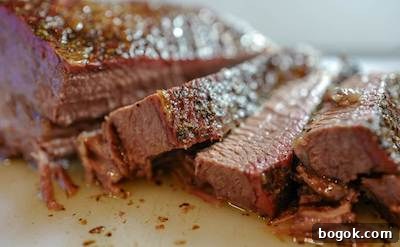
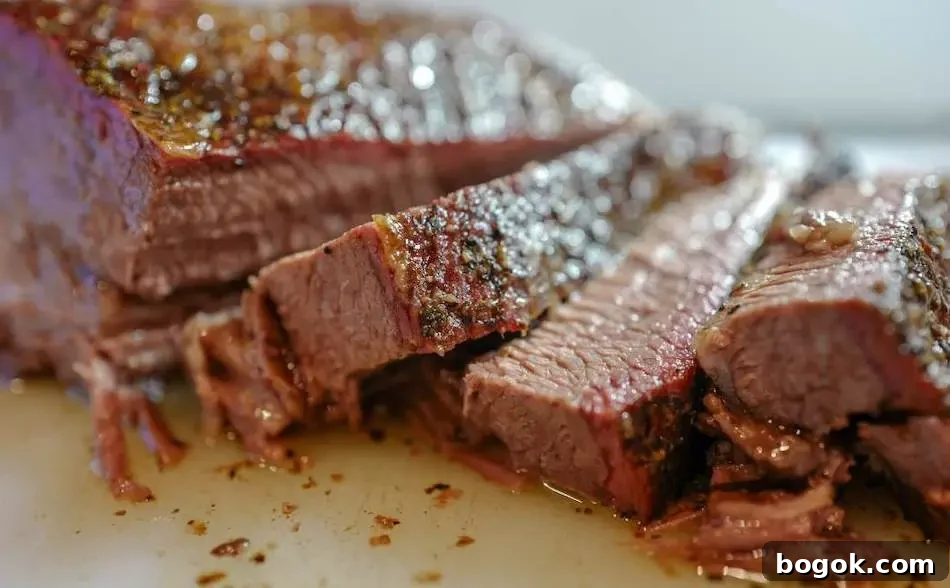
Smoking a brisket on a Weber Smokey Mountain (WSM) is straightforward when you understand the process. The WSM excels at holding steady temperatures for many hours, which makes low-and-slow brisket smoking much more reliable. Below is a clear, practical guide based on techniques used by experienced pitmasters, covering prep, fire setup, cooking, and resting.
To smoke a brisket on a WSM, target a cooking temperature between 250°F and 275°F. Place wood chunks in the bottom of the fire basket (or on top of the coals if you prefer), fill the basket with lump charcoal, and light using the Minion Method. Wait for the smoker to stabilize, then set the trimmed and seasoned brisket on the top grate and insert a meat probe. Mop or spritz every hour during the first 5 to 7 hours to help form the bark and attract smoke. When the bark is set and the internal temperature is about 150°F–160°F, wrap the brisket in butcher paper or foil and return it to the WSM. Continue cooking until the internal temperature hits roughly 203°F or the meat feels tender like butter when probed. Rest the brisket for at least one hour before slicing; alternatively, hold it in a dry cooler for up to four hours. Trim fat to about 1/4 inch on the fat cap, use a binder such as mustard or olive oil before applying rub, and consider injecting with a seasoned broth or marinade for extra juiciness. Adjust the WSM vents to maintain temperature and protect the smoker from wind to avoid fluctuations.
| Instructions |
|---|
| 1. Set up the WSM to cook at 250°F–275°F. |
| 2. Place wood chunks in the bottom of the fire basket (or on top of the charcoal). |
| 3. Fill the basket with lump charcoal and light using the Minion Method. |
| 4. Bring the smoker to the target temperature. |
| 5. Place the trimmed, seasoned brisket on the top grate and insert a probe. |
| 6. Mop or spritz the meat every hour for the first 5–7 hours. |
| 7. Wrap the brisket when the bark has formed and internal temp is 150°F–160°F. |
| 8. Continue cooking wrapped until internal temp reaches about 203°F or is probe-tender. |
| 9. Rest for 1 hour before slicing, or hold in a dry cooler up to 4 hours. |
| 10. Trim most fat, leaving a 1/4-inch fat cap. |
| 11. Apply a binder and a consistent layer of barbecue rub. |
| 12. Optional: inject with broth or marinade for added flavor and moisture. |
How To Light Your Weber Smokey Mountain For Brisket
- Remove the top section of the WSM and set it aside while you build the fire.
- If using wood underneath, scatter wood chunks across the bottom of the fire basket. For long cooks, fill the basket with lump charcoal—enough to reach the fire ring for an 8-hour cook or fill the basket for longer cooks.
- Create a crater in the charcoal pile for the Minion Method so the fire will spread outward slowly and evenly.
- Place a fire starter in the crater and light it. Alternatively, use a full charcoal chimney and dump hot coals into the crater for a faster start.
- The Minion Method supports an even burn that can last 10–15 hours with minimal intervention.
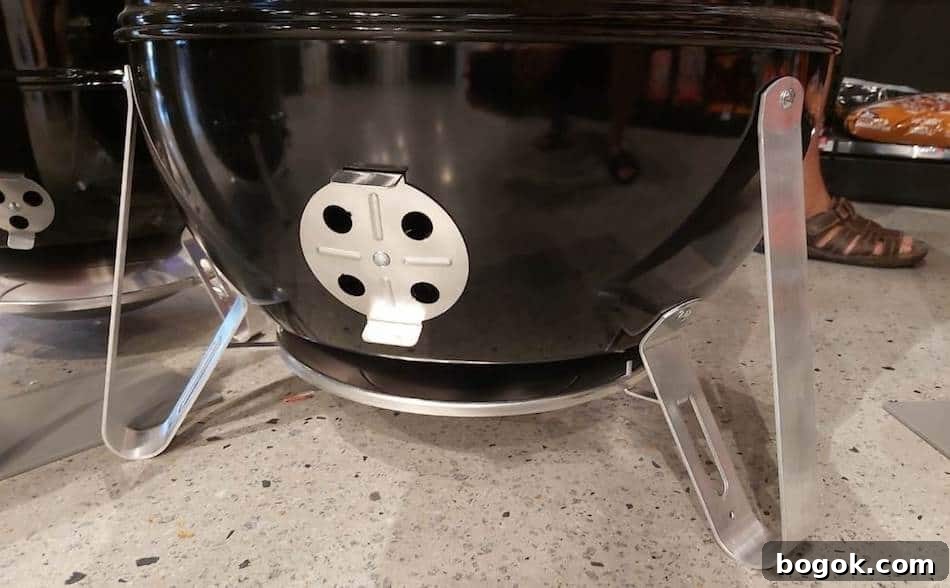
The Best Cooking Temperature For Brisket
Low-and-slow brisket is typically cooked between 220°F and 275°F. Choose a lower temperature for a slower render and more time for connective tissue to break down; choose a slightly higher temperature (closer to 275°F) if you want a faster finish. At 275°F a large packer brisket often takes around 12 hours, but times vary by size and stall behavior. Make single vent adjustments and wait 10 minutes between changes. Keep the smoker sheltered from wind to reduce temperature swings.
Cook Brisket In Two Stages – Unwrapped and Wrapped
Split the cook into two stages. The first unwrapped stage (generally the first 5–7 hours) is where the brisket absorbs smoke and develops bark. Regular mopping or spritzing during this stage slows the surface drying, helps smoke adhesion, and encourages the rub to form a stable bark. In the second wrapped stage you prioritize moving the internal temperature upward and finishing the render without burning the exterior bark.
The Best Smoking Wood For Brisket
Hickory, post oak, and pecan are classic choices for brisket. Fruit woods like apple or cherry are excellent for blending with stronger woods to add complexity. Use mesquite sparingly—it can become bitter if overused. Common mixes include half hickory with half apple or cherry, or post oak with cherry. Experiment to find the mix that matches your taste.
How Much Wood For a Brisket?
Wood quantity depends on brisket size and cook length. A large 12-hour packer may need 6–7 chunks; a smaller flat for a 7–8 hour cook might only need 2–3 chunks. Place chunks strategically so they don’t all ignite at once.
How To Lay Out Your Wood – Top or Bottom?
There are two common approaches: wood under the charcoal or wood on top. Putting wood underneath promotes long, steady smoldering and is favored by many competition teams. Placing wood on top of the charcoal often produces a more immediate smoke flavor and is popular with beginners. Both methods work; try both and choose what gives you the best flavor and burn behavior in your setup.
Option 1: Wood Underneath the Charcoal
Scatter wood chunks on the fire basket bottom and spread them out so they burn gradually. For large packers use 6–7 chunks; for smaller pieces use fewer. This method provides sustained smoke for long cooks and a steady burn, though some believe it imparts a milder smoke flavor.
Option 2: Wood on Top of the Charcoal
Putting wood on top of the charcoal tends to produce a more pronounced smoke flavor early in the cook. Smoke may not last as long as the under-wood method, but it’s a common and effective approach, especially for shorter smokes.
Arranging The Charcoal – The Minion Method
The Minion Method gives a steady, long-lasting burn. Pile most of your charcoal in a ring or around the basket and create a crater in the center. Light a small amount of charcoal in a chimney and drop it into the crater; the hot coals will slowly ignite the surrounding charcoal and provide many hours of consistent heat.
Lump Charcoal or Briquettes?
Lump charcoal is a great choice for the WSM, though briquettes also work well. Different brands burn hotter or longer; personal preference and experience will guide your choice. Both fuel types can produce excellent results when used with proper vent control and the Minion Method.
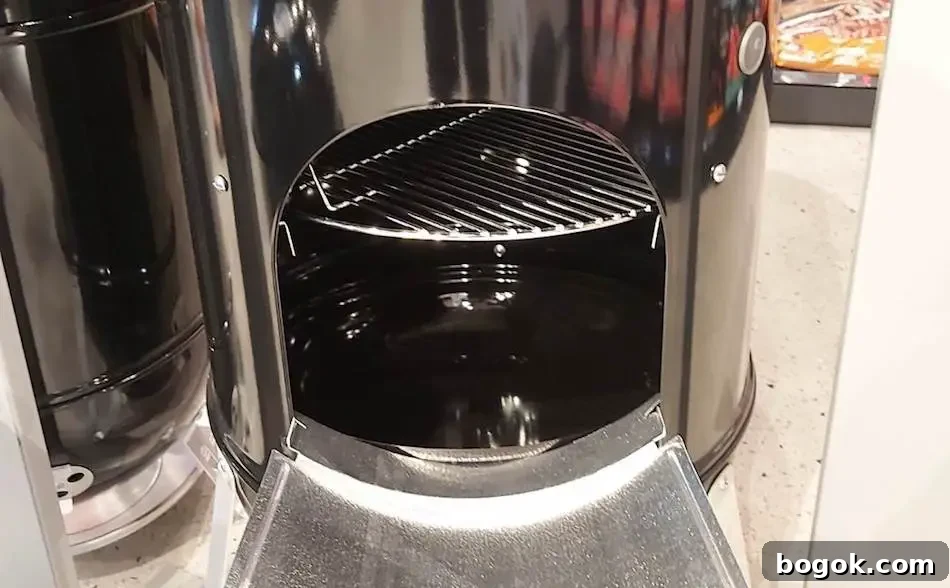
Smoking The Brisket
After reassembling your WSM and confirming a steady fire, place the grates back and put the brisket on the top rack to avoid direct heat. The top rack provides more indirect heat and helps prevent the exterior from cooking too fast while the interior renders.
Do You Need A Water Pan?
A water pan can help stabilize temperature and add humidity, but many pros skip filling it and instead use it as a foil-wrapped drip tray. You can achieve moisture by mopping or spritzing the brisket regularly rather than relying on a water pan alone.
When Is Brisket Done?
Brisket is typically done around 203°F, but feel matters as much as numbers. At roughly 195°F start checking probe tenderness—the meat should feel very soft and give like butter. Use temperature as a guide and learn to judge doneness by feel for the best results.
Rest and Hold
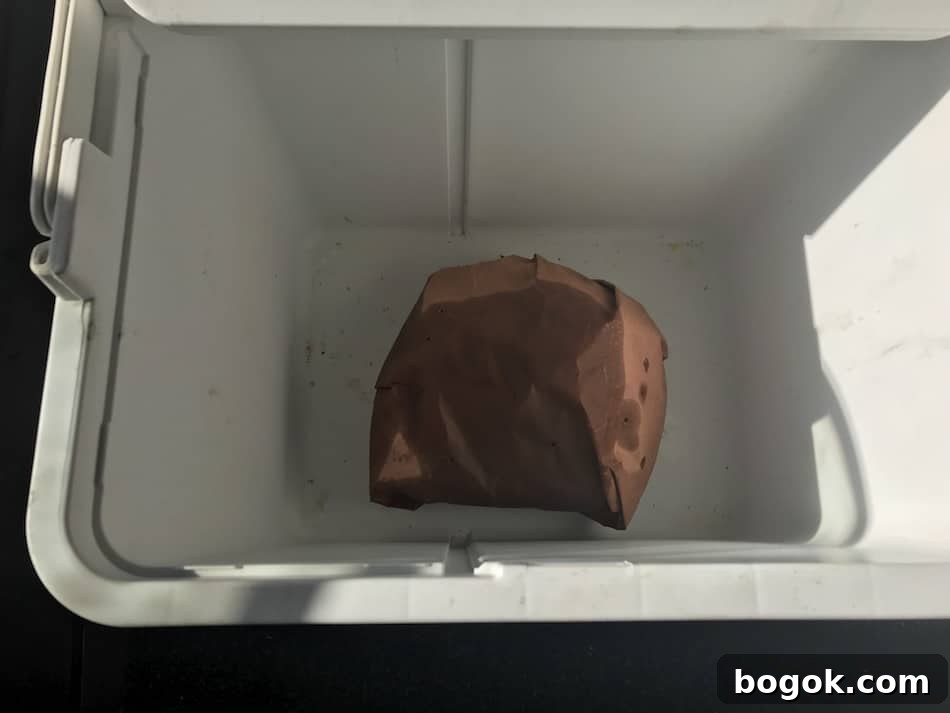
Rest the brisket for about an hour after removing it from the smoker. Open the wrapping slightly to let excess steam escape to prevent continued carryover cooking. If you need to hold the brisket, keep it wrapped in a dry cooler with towels around it; it will stay warm and tender for several hours and gives you flexibility to slice just before serving.
USDA Select, Choice or Prime – Which Grade Is Better?
Beef grade affects tenderness and marbling. Prime and Choice will generally yield better results than Select, especially for brisket, because of superior intramuscular fat. If you choose Select, apply careful technique—trimming, brining, and low-and-slow cooking will help you achieve the best possible outcome.
How To Prepare The Brisket For Smoking
Trim most of the thick fat, leaving about a 1/4-inch fat cap. Many pitmasters smoke fat-side up so rendered fat bastes the meat; others prefer fat-side down to shield from radiant heat. Apply a binder like yellow mustard or olive oil before adding your rub; the binder won’t impart a strong flavor but helps the rub adhere and form an even bark.
Tallow – The Pitmasters’ Secret
Render trimmings into beef tallow and apply a thin layer to the butcher paper before wrapping, or periodically baste the meat with drippings. Tallow can amplify flavor and juiciness when added at the wrapping stage and is a technique many Texas-style pitmasters use to improve texture and richness.
Apply A Slather
Apply a thin slather of olive oil or yellow mustard before the rub to ensure even coverage and a consistent bark. The binder disappears during cooking and helps prevent patchy seasoning.
The Barbecue Rub
Use a balanced rub that doesn’t overdo salt or sugar. Many cooks prefer to add salt separately to better control seasoning. Homemade rubs are easy to tailor; keep it simple and avoid overly salty pre-made blends unless you adjust the salt content yourself.
Standard Barbecue Rub
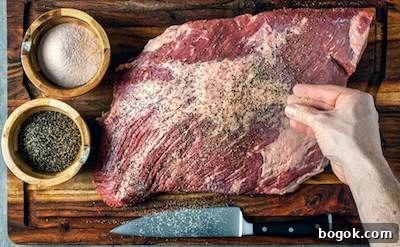
This rub is adapted from experienced barbecue cooks. Adjust quantities to taste.
10 minutes
10 minutes
Ingredients
- – ½ Cup Paprika
- – ½ Cup Salt
- – ½ Cup Sugar
- – ½ Cup Granulated Garlic
- – ¼ Cup Granulated Onion
- – ¼ Cup Chili Powder
- – ¼ Cup Cumin
- – 2 Tablespoons Black Pepper
- – 2 Tablespoons Dry Mustard
- – 1 Tablespoon Cayenne Pepper
Instructions
- Combine all spices in a large bowl.
- Store in an airtight container or rub shaker.
Inject The Brisket With Marinade
Injecting a brisket with a seasoned broth or marinade can add moisture and concentrated flavor, especially for competition-style cooks or hot-and-fast methods. Injectors are inexpensive and easy to use; they help distribute flavor deep into the meat.
Does Brisket Need A Brine
Dry-brining with kosher or sea salt a few hours or overnight before smoking improves flavor and moisture retention. Rubbing salt into the meat and allowing it to rest in the refrigerator helps the salt penetrate and season the brisket evenly.
Barbecue Temperature Controller on a WSM
An automatic temperature controller with a fan can convert your WSM into a more set-and-forget cooker by regulating air intake. These controllers monitor pit temperature and adjust airflow to maintain a set temperature, reducing the impact of weather and giving more consistent results.
Hot-and-Fast Brisket On A Weber Smoky Mountain
Hot-and-fast brisket cooks at much higher temperatures (up to 400°F) and finishes in a fraction of the time—often 3–4 hours. It won’t develop the same deep smoke ring, bark, or tenderness as a long smoke, but it can produce a tasty brisket when time is limited. If using this method, consider injecting, dry-brining, and spritzing frequently. Wrap when the bark sets—often around 90 minutes—and either continue at high heat or reduce to finish.
Pro Tips For Smoking On Your WSM
Place the brisket on the top rack for gentler indirect heat, monitor with a reliable probe thermometer, and be patient during the stall. Learn to judge doneness by probe feel as well as temperature, and always rest the meat before slicing. These steps will help you produce consistent, tender brisket from your Weber Smokey Mountain.
Brisket On A Weber Smokey Mountain
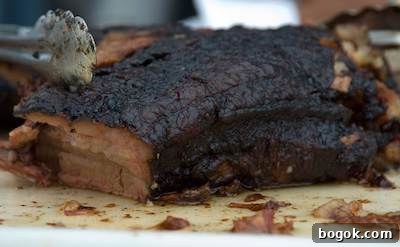
Smoked brisket cooked low-and-slow with charcoal and wood on a Weber Smokey Mountain.
10 minutes
10 hours
1 hour
11 hours 10 minutes
Ingredients
- Brisket
- Barbecue rub
- Yellow mustard or olive oil (binder)
Instructions
1. Set your WSM to 250°F–275°F.
2. Place 5–6 wood chunks in the fire basket.
3. Fill the basket with lump charcoal.
4. Light using the Minion Method.
5. Wait for the smoker to stabilize at the target temperature.
6. Place the brisket on the top grate and insert a probe.
7. Mop or spritz hourly for the first 5–7 hours.
8. Wrap when the bark is set and internal temp is 150°F–160°F.
9. Cook wrapped until internal temp is about 203°F or probe-tender.
10. Rest 1 hour before slicing or hold in a dry cooler up to 4 hours.
11. Trim fat to a 1/4-inch cap before cooking.
12. Apply a binder and an even layer of rub.
13. Optional: inject with broth or marinade for competition-style results.
Nutrition Information:
Serving Size:
85 grams
Amount Per Serving:
Calories: 246 grams
My Favorite Brisket Tools
Here are commonly recommended tools that make smoking brisket easier: a good meat injector for marinade, quality butcher paper for wrapping, reliable thermometers (both probe and instant-read), and an automatic temperature controller if you want a set-and-forget setup. These tools help with consistency and make long cooks more manageable.
Meat Injector: Useful for injecting flavor and moisture into larger cuts.
Brisket Marinade: Competition-style injections add depth and juiciness.
Butcher Paper: Unwaxed, food-grade butcher paper is preferred for wrapping to preserve bark while allowing some breathability.
Meat Thermometer: A dual-probe thermometer helps monitor both meat and pit temperatures throughout the cook.
Instant Read Thermometer: Fast, accurate checks across multiple areas of the brisket are essential in the final stages.
Advanced Thermometer and Controller: Multi-channel devices with blower control convert the WSM into a precise, automated smoker for long cooks.