
Finding black dots on a mango’s skin can be surprising if you expect the familiar red-green or orange-yellow tones. These specks can look alarming, but they have a few common causes and don’t always mean the fruit is inedible.
This article explains what those black dots are, why they form, how to tell if the mango is safe to eat, and how to store and prepare mangoes to keep them at their best.
Table of Contents
What Are the Black Dots on Mango?
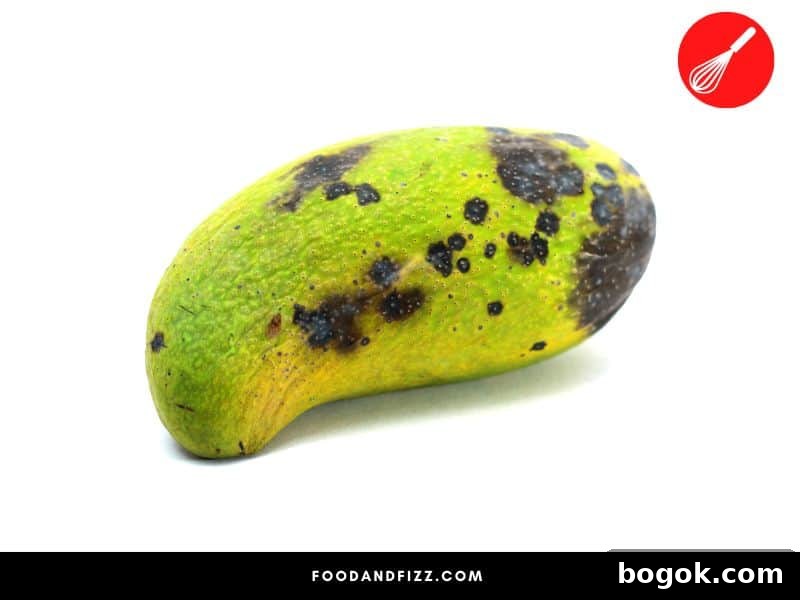
Black dots on mango skin usually come from one of three causes: lenticel damage, bacterial black spot, or simple overripening/rotting. If the spots are limited to the skin or a small area of flesh that can be trimmed away, the mango is generally safe to eat. If the fruit is extensively spotted, soft, or foul-smelling, discard it.

What Causes Black Dots on Mangoes?
Black spots on mangoes stem from a few common scenarios. Below are the main causes and what they look like so you can identify them.
1. Lenticel Damage
Lenticel damage occurs when the small pores (lenticels) on a mango’s skin react to stress like temperature extremes, rough handling, or wet conditions. The fruit produces dark phenolic compounds around these pores as a protective response, creating small brown or black spots. This discoloration often stays on the surface and does not affect the flesh.
Certain mango varieties and larger, more mature fruit are more prone to lenticel damage. The condition can appear at any stage from harvest to packing. While unattractive, lenticel spots are typically harmless and can be cut away if desired.

Bacterial Black Spots
Bacterial black spot (BBS) is caused by a specific bacterium and results in larger, irregular, often raised spots that may appear greasy at the margins. Infected areas can merge, rupture, and release a sticky, bacterial sap. BBS spreads via rain, wind, insects, and moisture, and it is a serious concern for growers because it reduces marketability and yield.
Fruit Rotting
As mangoes overripen they develop dark spots, similar to other fruits. Early blackening may simply indicate ripeness, but as spots multiply, the fruit can move into rot. Overripe or rotting mangoes will show soft, dark flesh and may emit an off odor—clear signs to discard the fruit.
Can I Still Eat a Mango with Black Dots?
Most mangoes with black dots are still edible. Lenticel damage usually affects only the skin; simply cut the mango open to inspect the flesh. If the interior looks normal, you can eat it or trim away any small discolored patches.
If dark spots are extensive throughout the flesh, or if the mango is very soft and smells sour or fermented, it has likely spoiled and should be discarded. When in doubt, prioritize safety—throw it out rather than risk eating spoiled fruit.
How Should I Store My Mangoes?
Store unripe mangoes at room temperature to allow them to ripen. Placing them in a paper bag or near other fruit speeds ripening. Once ripe, transfer whole mangoes to the refrigerator; chilled mangoes will keep for one to two weeks.
Sliced mangoes should be refrigerated and used within a few days. For long-term storage, cube the peeled flesh, freeze the pieces on a tray, then transfer to freezer-safe bags—this keeps them handy for smoothies and cooking.
How to Slice or Cube a Mango
Stand the mango upright and cut along both sides of the large central pit to remove two cheeks. On each cheek, score vertical and horizontal cuts through the flesh without cutting the skin to create a grid. Then scoop out the cubes with a spoon or invert the cheek and slice off the cubes.

Are Mangoes Healthy Enough to Eat Daily?
Mangoes are nutritious: they supply vitamin C, vitamin K, fiber, and antioxidants that support immune, bone, digestive, and heart health. They’re a healthy regular choice, but it’s best to eat a variety of fruits and vegetables to ensure a broad range of nutrients.

Frequently Asked Questions
Are black dots on mango skin safe to eat?
Yes—most black dots are limited to the skin and don’t affect the flesh. Cut open the mango to be sure before eating.
Are black spots inside mango safe to eat?
Small internal spots that can be trimmed away are usually fine. If discoloration covers most of the flesh or the texture and smell are off, discard the mango.
Conclusion
Black dots on mango skin most often result from lenticel damage, bacterial infection, or overripening. Inspect the fruit by cutting it open: if the flesh is clean, it’s safe to eat; if the interior is heavily spotted, soft, or smells bad, throw it away. Proper storage and gentle handling reduce the chance of spots and keep mangoes looking and tasting their best.