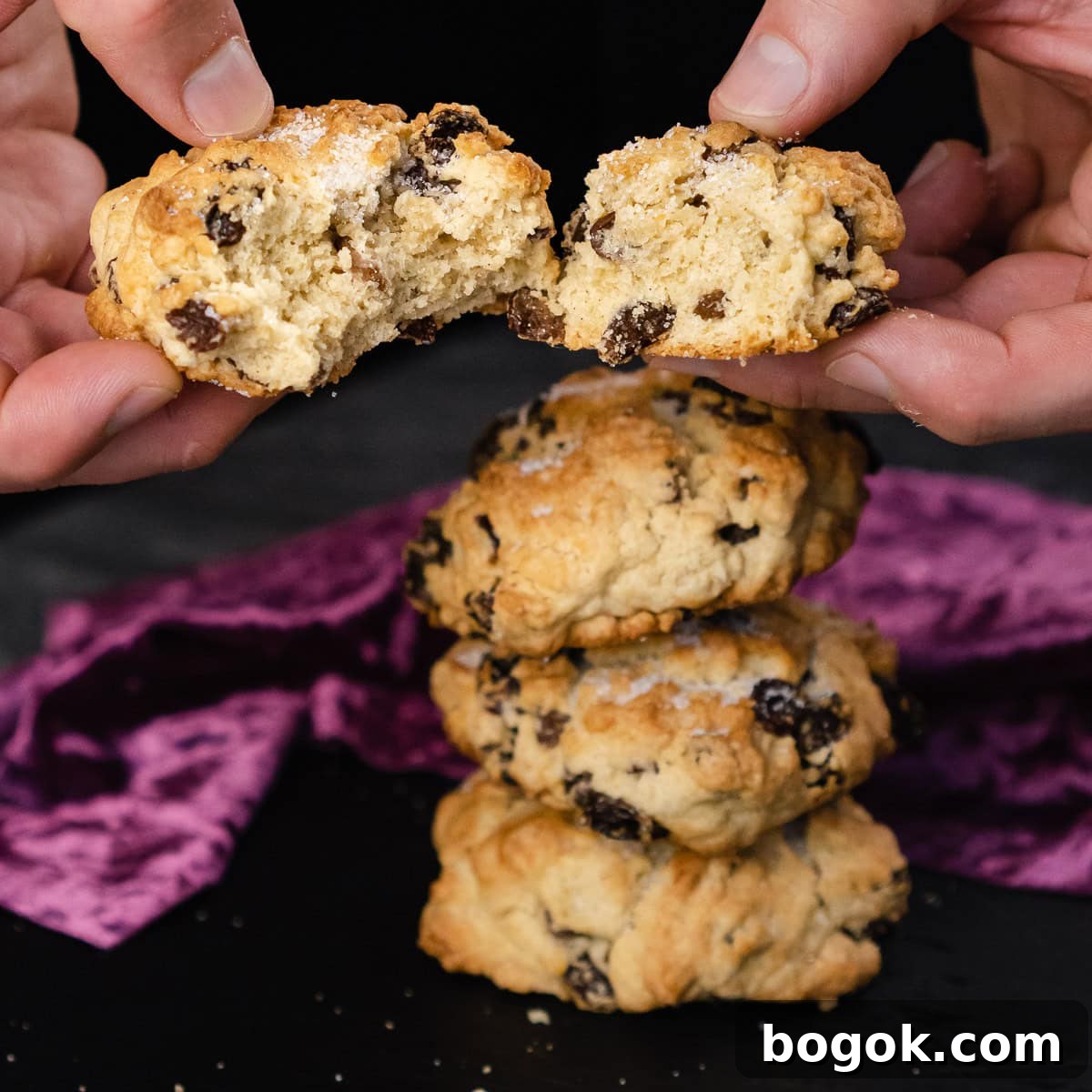
A favourite British classic, these old-fashioned rock cakes use simple ingredients and are easy to make.
Named for their rough, rock-like appearance, these single-serving cakes are pleasantly crumbly and sweet despite their rustic look. They make a brilliant addition to afternoon tea and are great for kids to help bake.
How to make rock cakes?
This easy English rock cake recipe is straightforward and kid-friendly. Read on for step-by-step photos, tips and a simple recipe you can make at home.
📖 Step by Step Recipe
Rock Cakes – Old Fashioned Recipe
Luke and Kay – Flawless Food
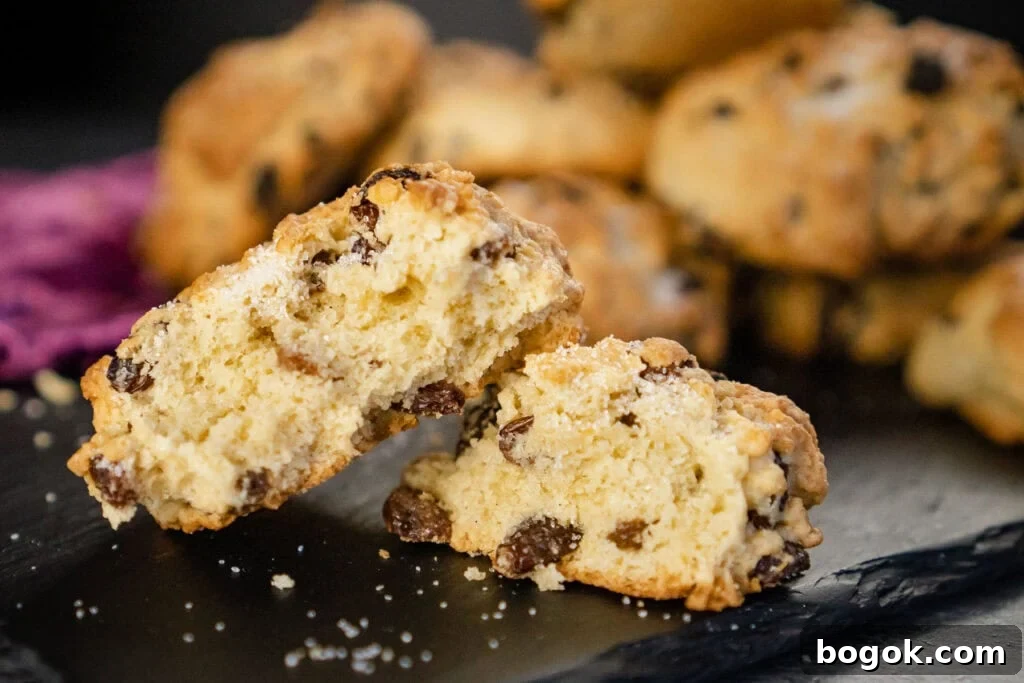
A crispy, sugary shell gives way to a soft, crumbly interior studded with dried fruit.
Perfect for afternoon tea, lunch boxes or school fetes. US & UK measurements given.
Rate this Recipe
Pin Recipe
Save
Equipment
Ingredients
- 300 grams Plain Flour
- 1 ½ teaspoon Baking Powder
- 80 grams White Sugar (plus extra to sprinkle)
- Pinch Salt
- ½ teaspoon Mixed Spice
- 150 grams Butter
- 200 grams Sultanas (or mixed dried fruit)
- 1 Large Egg
- 2 tablespoons Milk
Instructions
-
Preheat the oven to 190°C / 170°C fan / 375°F.

-
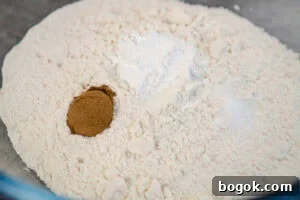
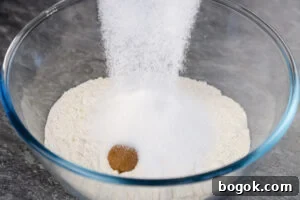
Combine flour, baking powder, salt and mixed spice in a large bowl. Stir in the sugar.
-
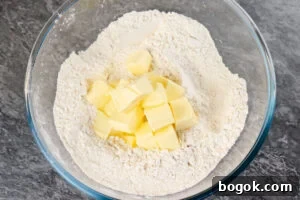
Rub in the butter with your fingertips until the mixture resembles coarse breadcrumbs.
-
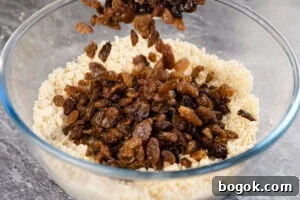
Stir in the sultanas or your chosen dried fruit until evenly distributed.
-
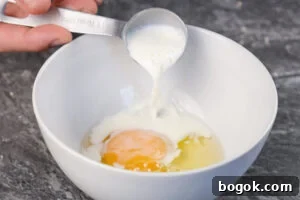
Whisk the egg and milk together in a small bowl, then add to the dry ingredients and mix with a fork until the mixture is thick, sticky and just comes together.
-
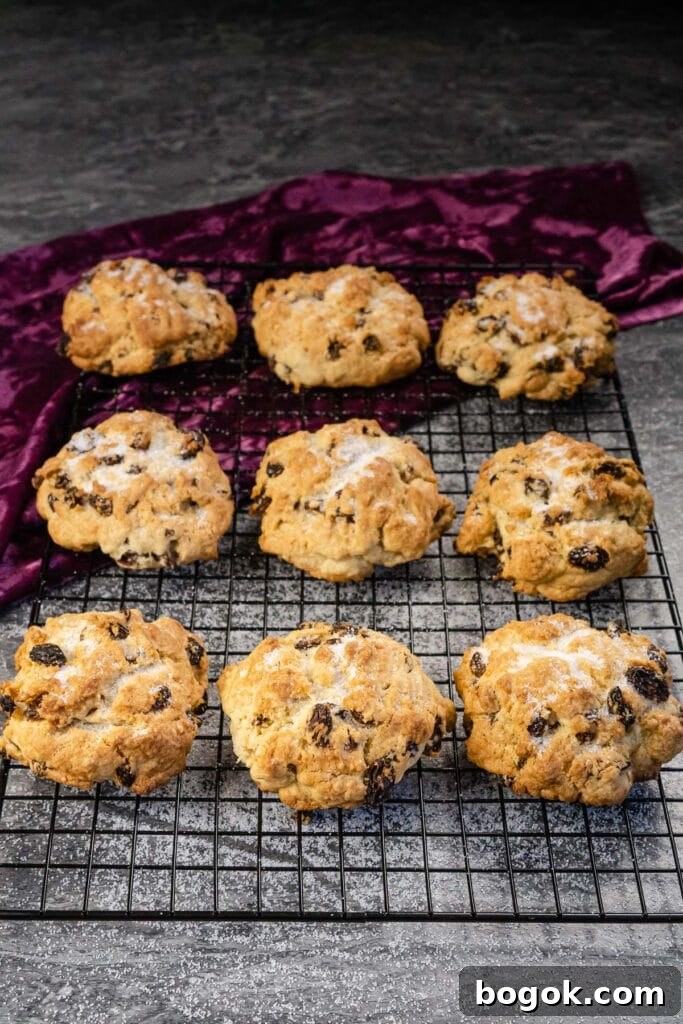
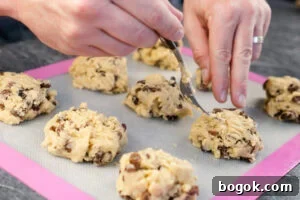
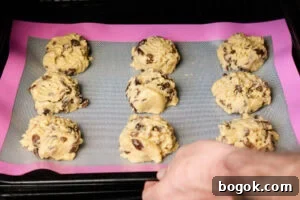
Divide the mixture into about nine even portions. Place on a lined baking tray, leaving space between each cake. Roughen the tops with a fork to create the characteristic rocky texture.
-
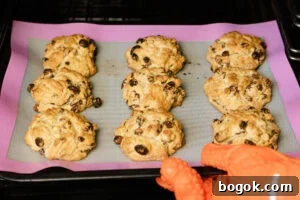
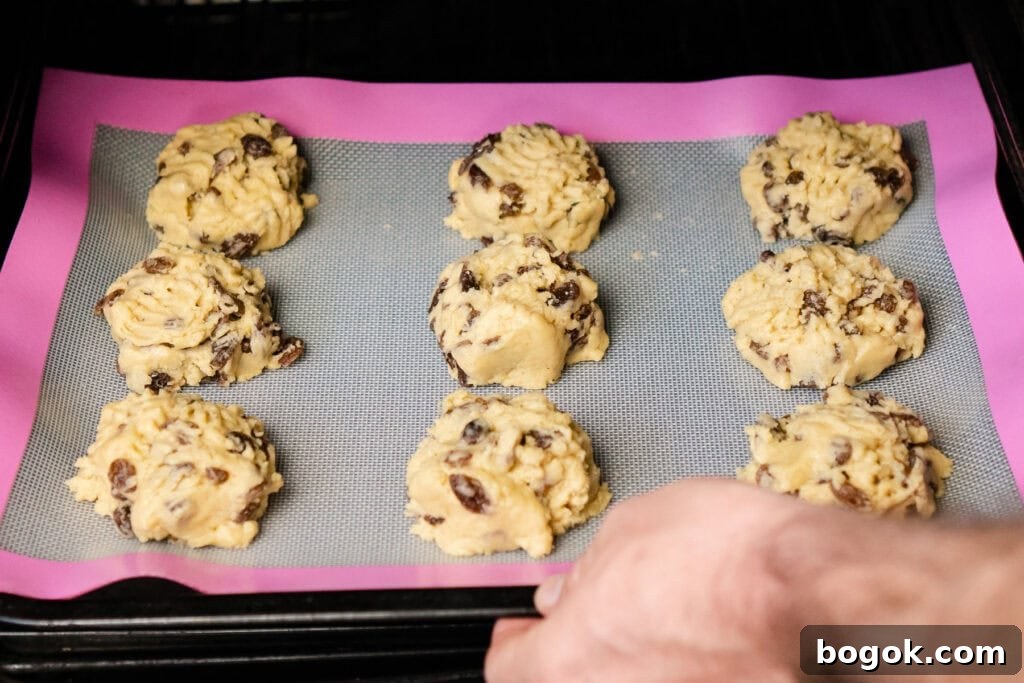
Bake in the preheated oven for 15–20 minutes until lightly golden. If using a fan oven, use 170°C and watch closely.
-
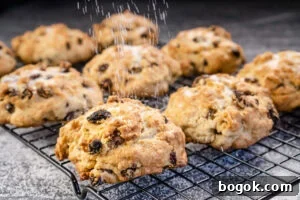
Remove from the oven; they may feel slightly soft but will firm up as they cool. When cool enough to handle, transfer to a wire rack to finish cooling.
-
Sprinkle with extra sugar while still warm so it settles into the cracks. Serve warm or store in an airtight container once fully cooled.
Video
Nutrition
Carbohydrates: 53 g
Protein: 5 g
Fat: 15 g
Sugar: 22 g
Tried this recipe? Share an image on social media
Please mention @flawlessfooduk or tag #flawlessfooduk
If you enjoy old baking recipes you might also like Parkin cake, a traditional gingerbread from Northern England.
Rock cake ingredients
Ingredients: plain flour, baking powder, mixed spice, salt, sugar, butter, sultanas (or other dried fruit), egg and milk.
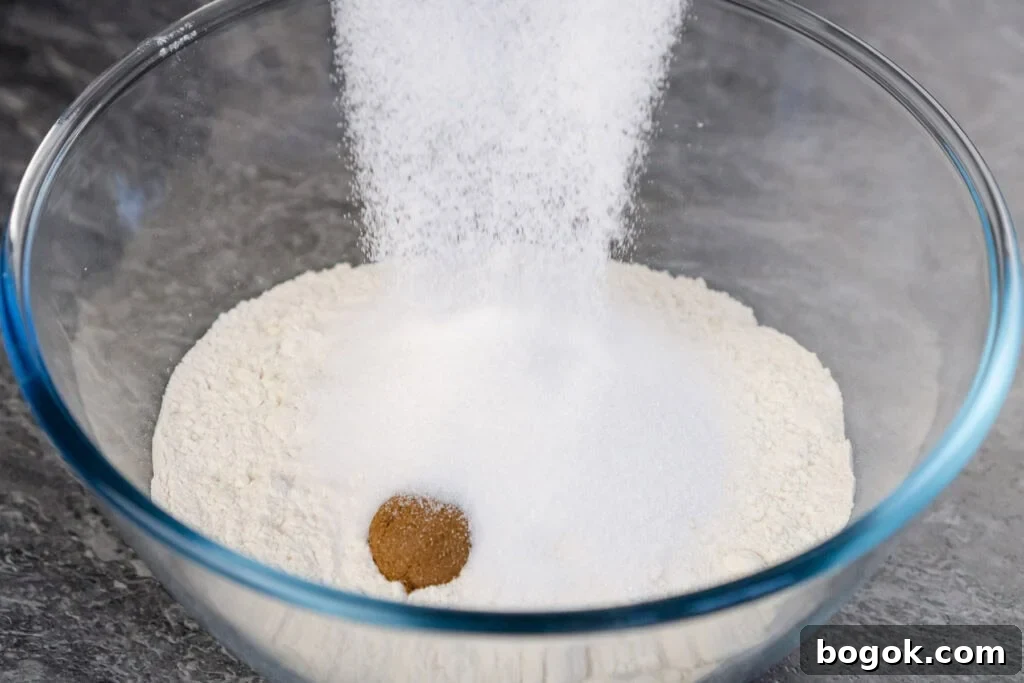
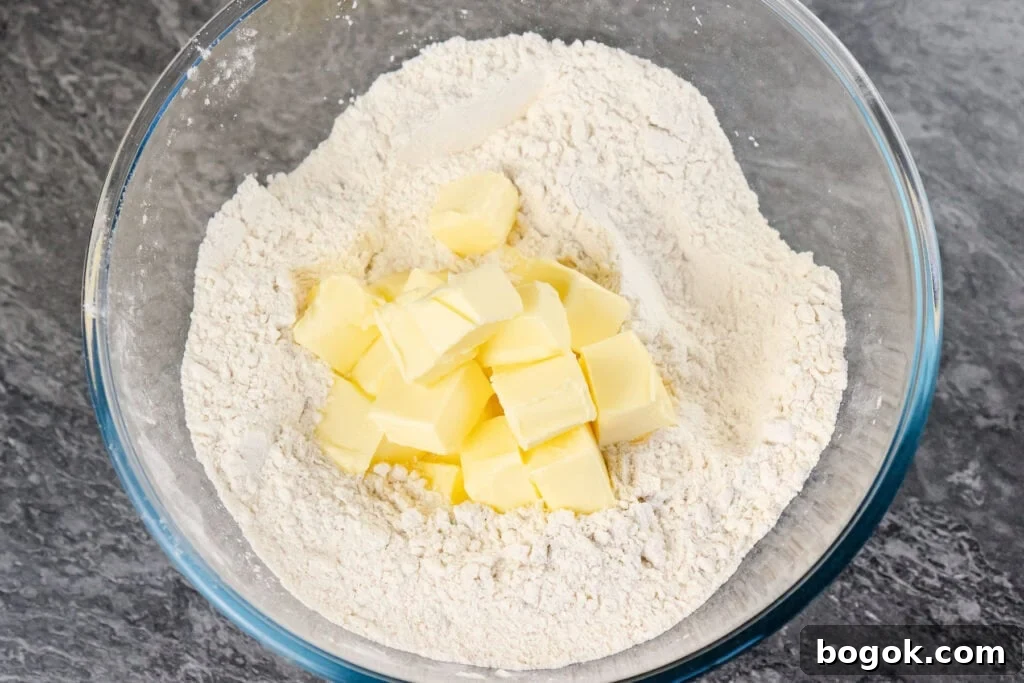
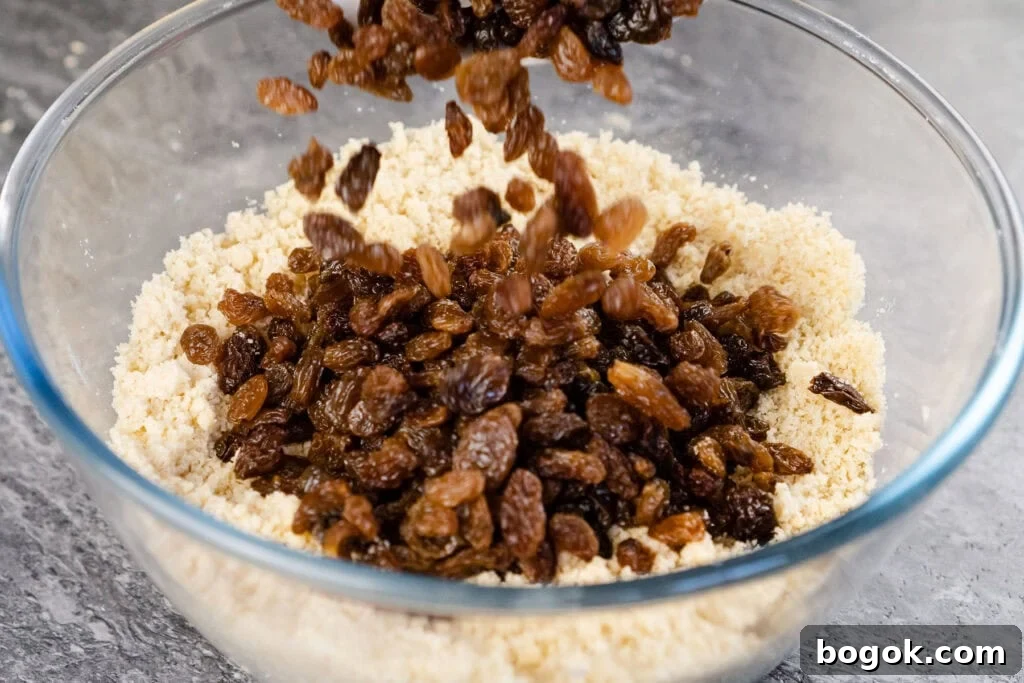
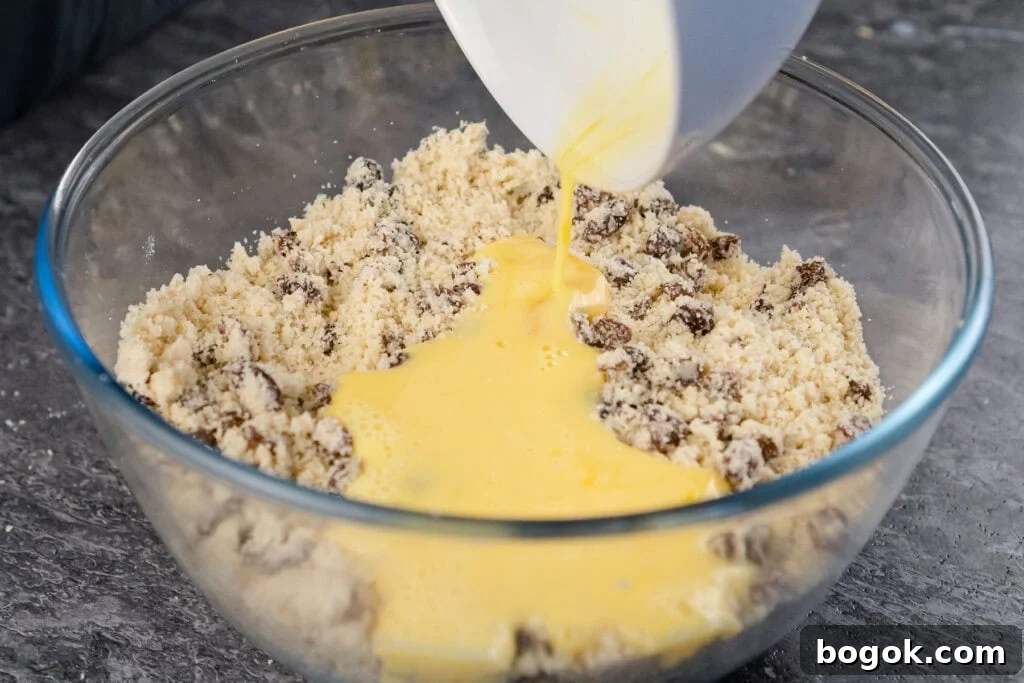
Substitutes
Flour
Plain flour works well, but you can use self‑raising flour instead. If using self‑raising flour omit the baking powder and salt since these are already included.
Mixed Spices
Mixed spice can be swapped for your preferred spice blend—cinnamon, nutmeg or ginger all work nicely.
Dried Fruit
Use mixed dried fruit, raisins, cranberries, chopped apricot or even chocolate chips if you prefer a sweeter variation.
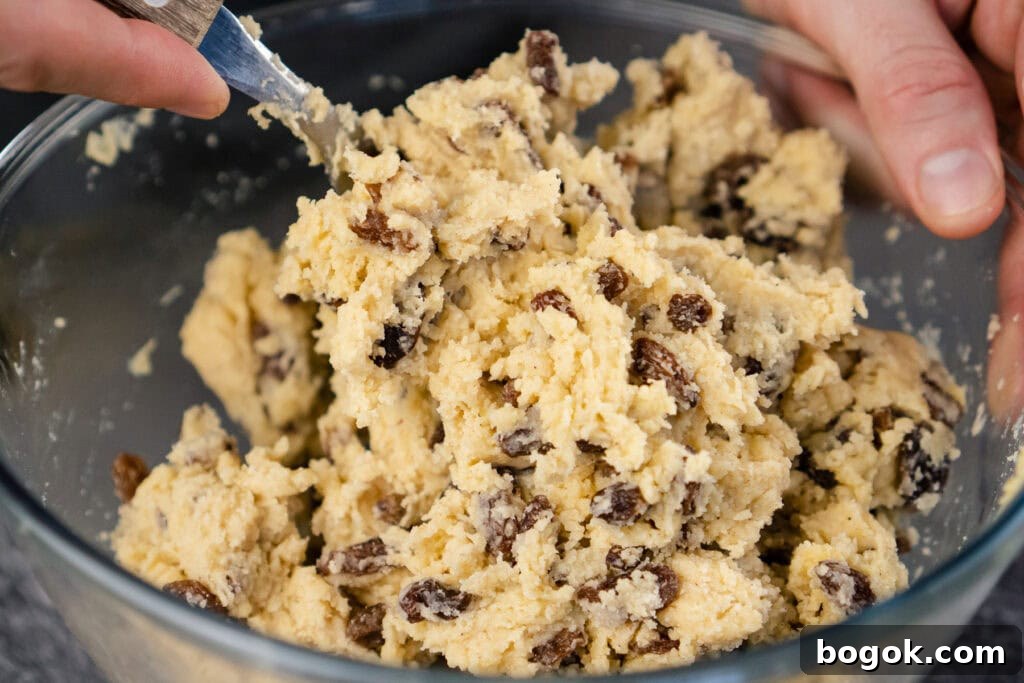
The mixture should be thick and sticky and will make about nine large cakes.
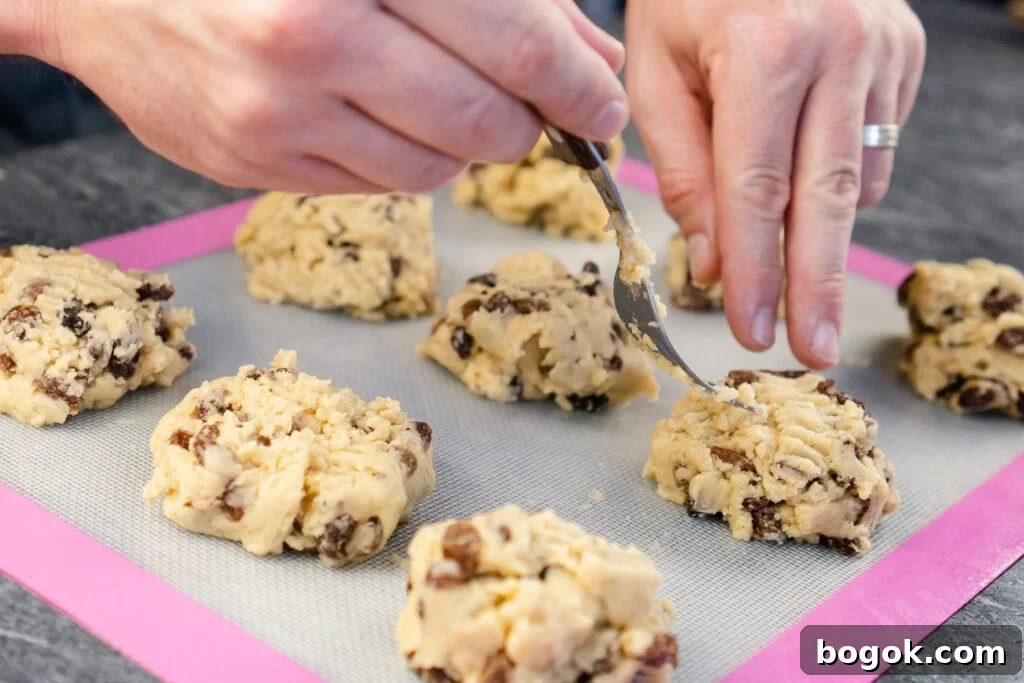
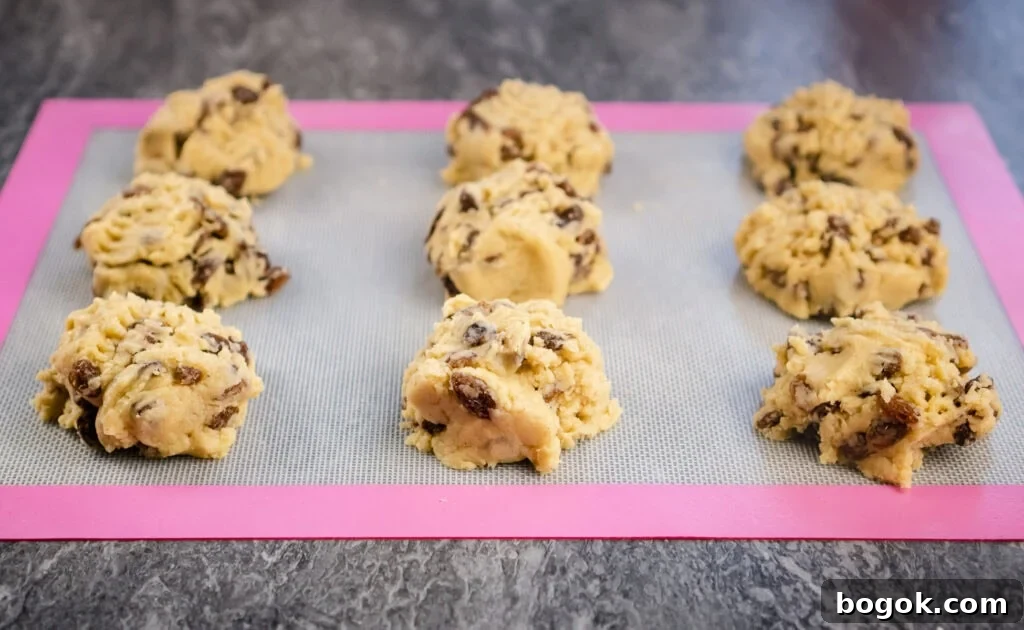
They don’t need to be smooth — rough tops help create the cracked, rocky finish. Bake on a silicone mat, parchment or greaseproof paper.
Oven Setting
A conventional oven setting is best for a crispy exterior and soft crumb inside. If using a fan oven, reduce the temperature to 170°C and watch them closely.
Temperature
Bake at 190°C / 375°F (170°C fan) for 15–20 minutes. Aim for a light golden colour and avoid over-browning the dried fruit.
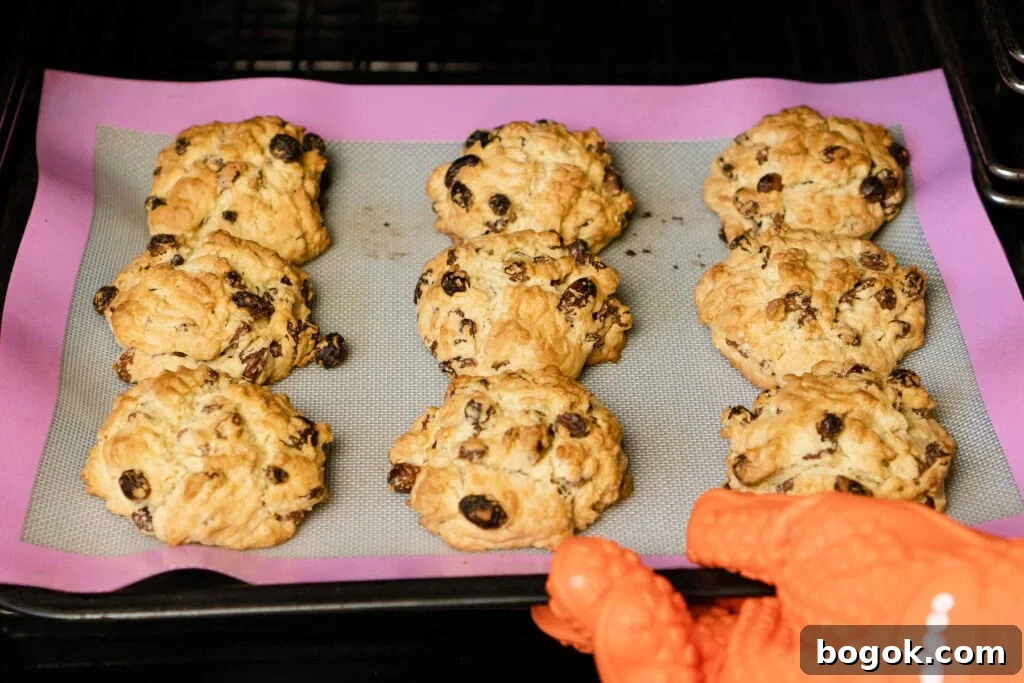
Cooling
Immediately after baking they may feel soft; they firm as they cool. Leave them on the tray until cool enough to handle, then transfer to a wire rack to prevent soggy bottoms.
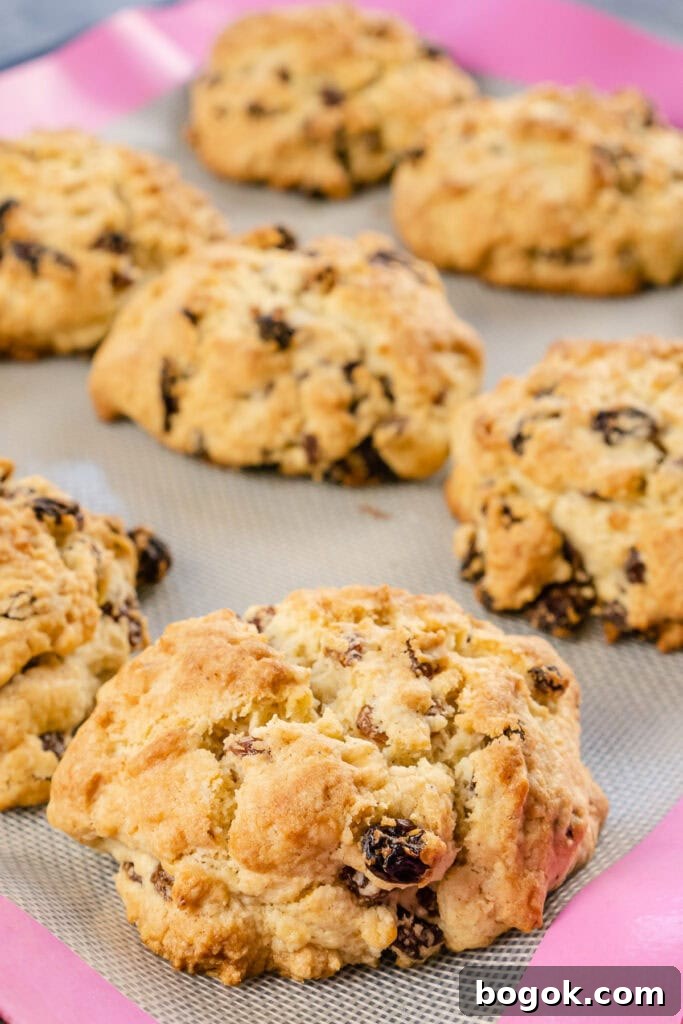
Sprinkle with extra sugar while still warm so it settles into the cracks for added crunch and visual appeal.
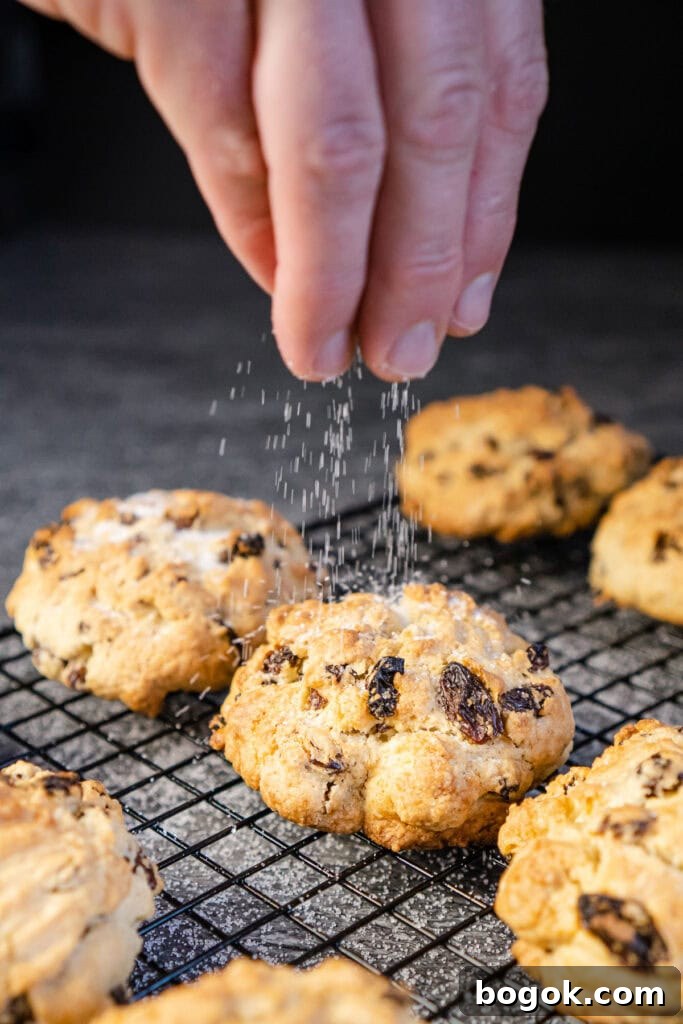
These rock cakes are best enjoyed warm, but they keep well in an airtight container once completely cooled.
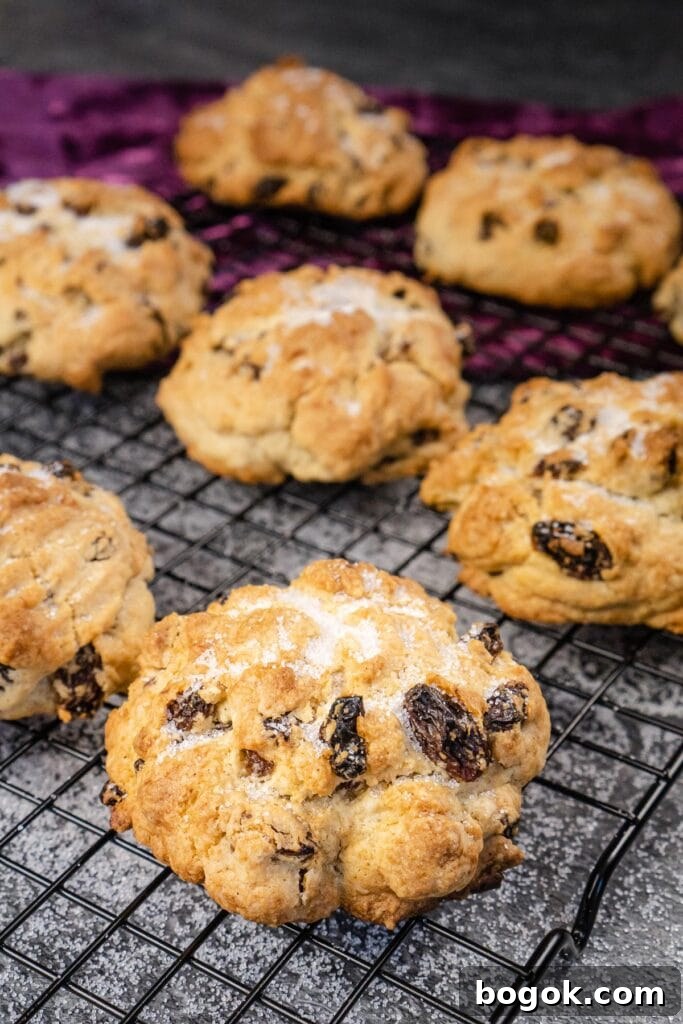
What are rock cakes like inside?
Inside the crispy sugary exterior you’ll find a soft, crumbly texture with an even spread of dried fruit. They suit a British afternoon tea and can be served like scones with jam and cream if you wish.
What is the difference between scones and rock cakes?
Scones are made from a dough that is rolled and cut to give a smooth shape. Rock cake batter is sticky and is portioned without shaping, producing the rough, cracked surface that defines rock cakes.
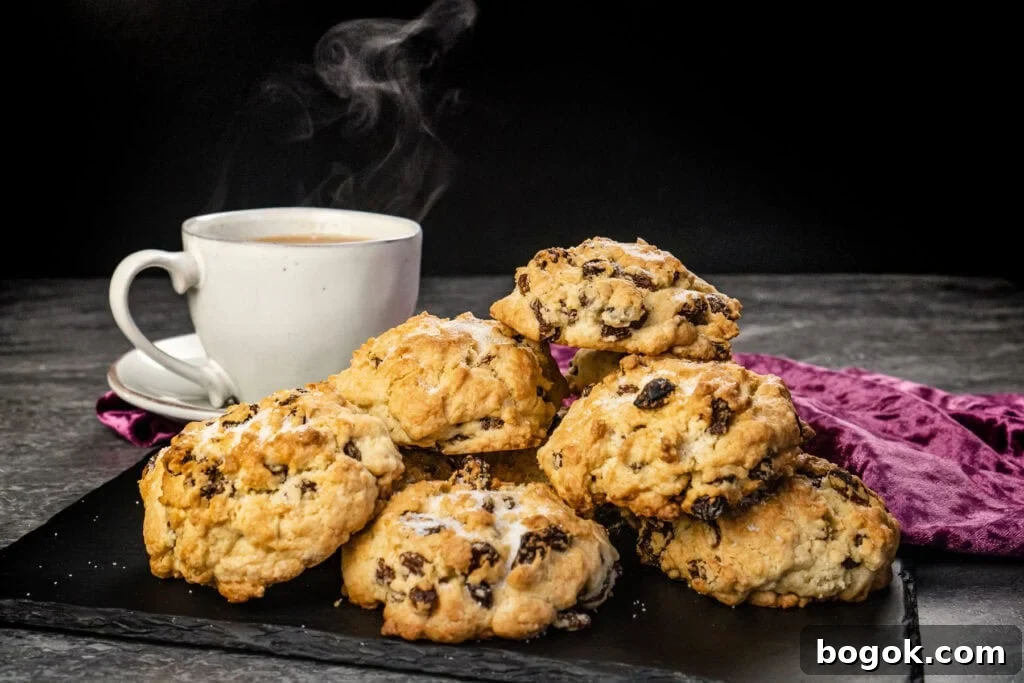
These are a lovely, sweet, crumbly treat — ideal with a cup of tea and easy for children to help make and enjoy.
Updated on 07/03/2025 with the recipe card at the top of the page to make it more user-friendly.
If you like this recipe, try other easy bakes for children such as thumbprint cookies, oat flapjacks or no-bake edible cookie dough.
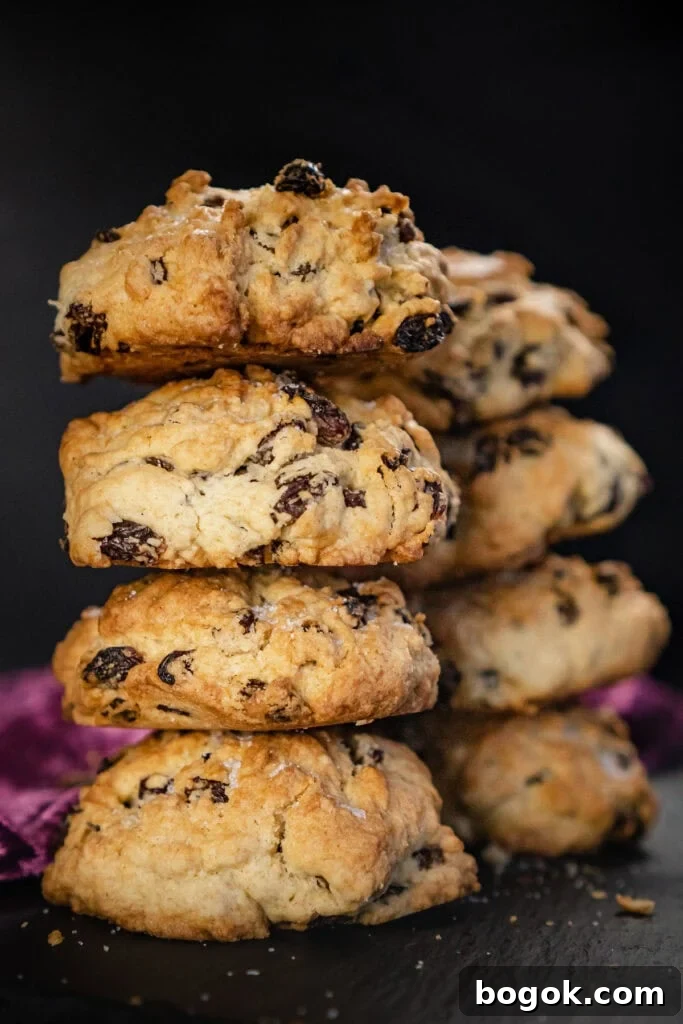
Please let us know how you get on and share the recipe to help bring these old-fashioned rock cakes back into favour.
History
Rock cakes became popular during World War II because they used fewer rationed ingredients like eggs and sugar, allowing families a modest sweet treat. Oats were sometimes used in place of some flour during rationing.
More recently, rock cakes feature in popular culture; they are famously mentioned in the Harry Potter stories.
FAQs
If the mix is too dry to come together, add an extra tablespoon of milk at a time or use a second egg until it binds.
Yes. If using self-raising flour omit the baking powder and salt because these are already included.
If dried fruit sinks, the mixture is likely too runny. Reduce liquid slightly or add a little more flour to thicken.