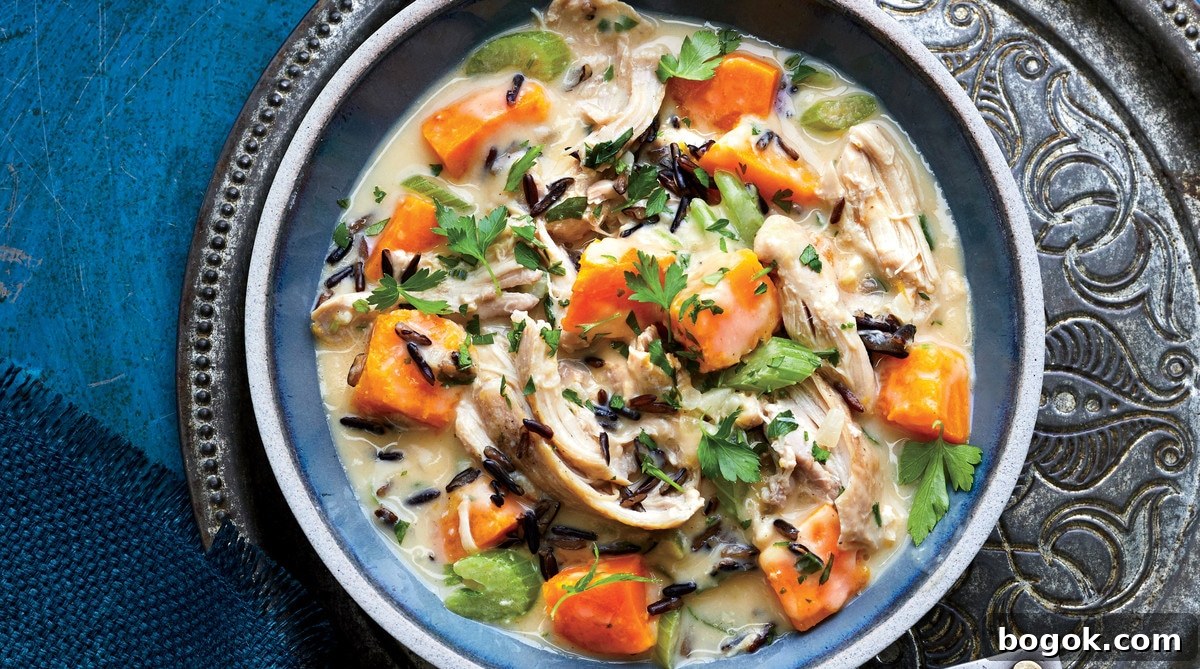
Sous vide and slow cooking both use gentle, low heat over extended periods to produce tender, well-cooked food. Although they share that basic principle, they operate differently and excel at different types of dishes. Below is an overview of slow cooking’s history, how slow cookers work, and a comparison between slow cooking and sous vide methods.
History of slow cooking
Slow cookers were developed roughly eight decades ago to help prepare meals for Sabbath observance. Their popularity surged in the 1970s under the Crock-Pot name, as more people sought convenient ways to balance work and home life. Since then, slow cookers have become common household appliances in many styles and sizes. Modern multicookers such as the Instant Pot often include a slow-cooking function, adding versatility while preserving the original slow-cooker concept.
Mechanism of a slow cooker
A slow cooker consists of a base with an electrical heating element and a removable inner vessel—typically ceramic or porcelain—where food is placed. The unit heats from the bottom, which warms the cooking vessel and gently cooks the ingredients inside. Many contemporary models allow the inner pot to be removed for easier, safer cleaning.
Most slow cookers offer a few simple settings: warm, low, and high. Rather than representing distinct fixed temperatures, the low and high settings primarily affect how quickly the cooker reaches its operating range; over a long period both settings can approach the same internal temperature. For example, many Crock-Pot models reach temperatures around 209°F (near simmering), which helps explain common recipe guidance such as “4 hours on high or 6–8 hours on low.”
The actual temperature inside a slow cooker can vary depending on the dish. Liquids such as soups and stews transfer heat more efficiently than dry heat, so they can cook at slightly higher effective temperatures than large roasts. Steam trapped under the lid plays a key role in keeping food moist and tender: prolonged low heat breaks down collagen and connective tissue, producing tender, shreddable meats and softened vegetables.
Slow cooking compared to sous vide cooking
- Both sous vide and slow cooking rely on low, prolonged heat to develop tenderness and flavor.
- Sous vide uses an immersion circulator to maintain water at a precisely controlled temperature and cooks food sealed in bags. This method typically operates at lower temperatures than a slow cooker and provides very tight temperature control, often within a fraction of a degree.
- Slow cookers are ideal for all-day meals like stews, braises, and tough cuts of beef that benefit from long, moist cooking to break down connective tissue. They’re also well suited to gently melting or keeping creamy dips warm without scorching—examples include cheese-based dips or spinach-artichoke dips—though dips can decline in quality if held too long on heat.
- Sous vide is less suited to holding hot dips after preparation because its lower temperatures prioritize precise doneness rather than maintaining serving heat. However, sous vide can be used to prepare ingredients—such as sealing components for a cheese or spinach dip and heating them evenly—before transferring to a warmer for serving.
- For meats, sous vide excels at producing uniformly cooked, juicy protein at a specific doneness. Slow cooking, by contrast, is better at producing the stringy, shreddable texture prized in pulled meats because it breaks down collagen at higher effective temperatures over time.
Both methods have strong merits and distinct uses. Slow cooking shines for hands-off, comforting one-pot meals and dishes that benefit from long, moist heat, while sous vide offers precise temperature control for consistent doneness and juiciness. In many home kitchens, both techniques complement each other—each making certain tasks easier and more reliable.
Contributor:
This article was written by Stephanie Searor, MS RD LDN
Reference:
- Article on the history and cultural role of the Crock-Pot in The Washington Post (2015).