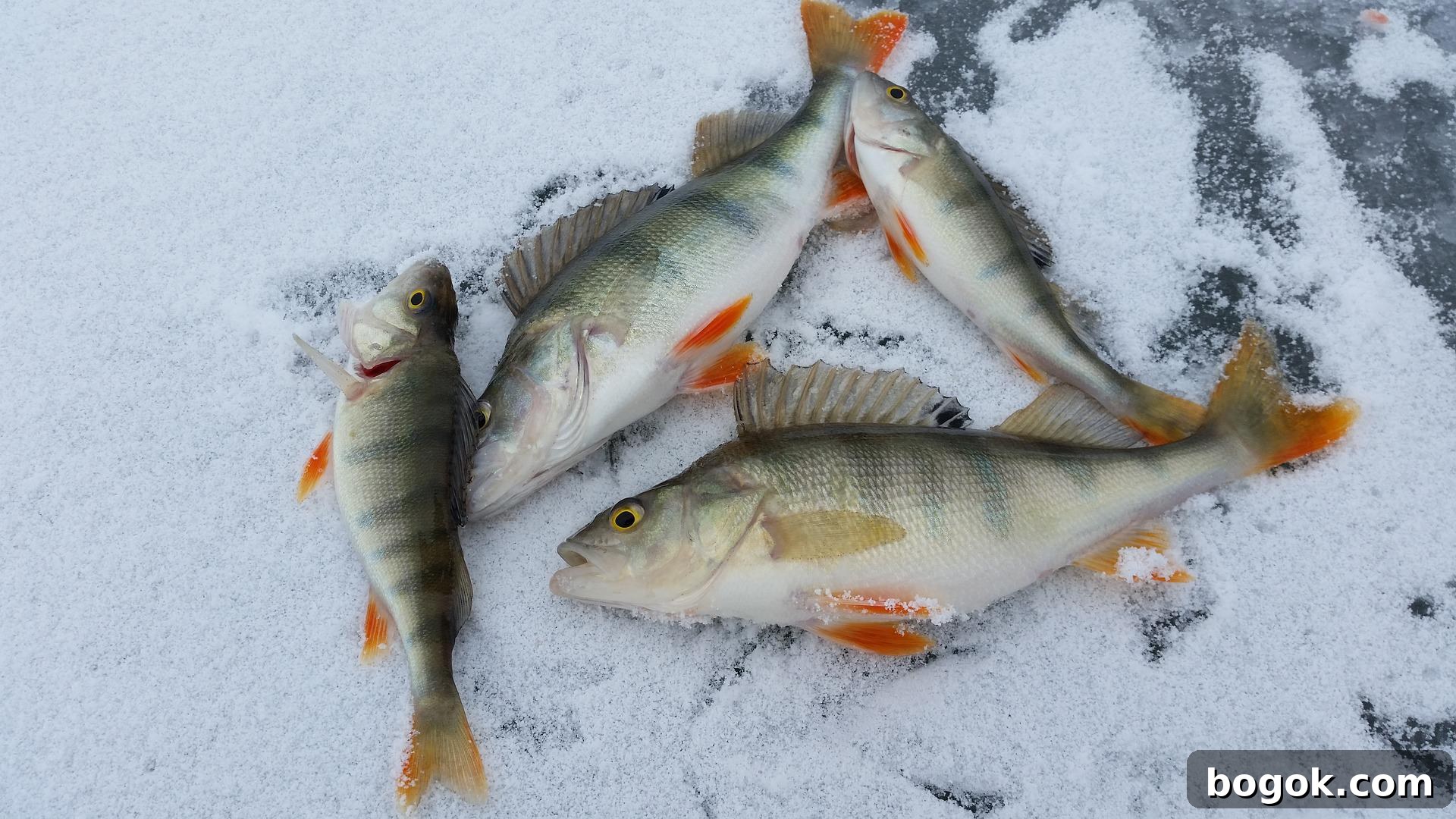
Frozen seafood is convenient and affordable, but mistakes with freezing and refreezing can ruin texture, flavor, and safety. These practical tips will help you choose, store, and refreeze fish the right way so your meals stay tasty and your food budget stretches further. Read on to learn how to avoid common pitfalls and handle frozen fish like a pro.
If you plan to freeze fish at home, it helps to understand proper techniques to preserve quality and safety.
What are the risks of refreezing fish?
Refreezing fish carries two main problems: a loss of texture and potential bacterial growth. Each freeze-thaw cycle causes ice crystals to form and rupture cells in the flesh, which leaves meat mushy and less appealing.
Thawing frozen fish also takes longer than thawing fresh fish handled at room temperature. For example, a fillet may thaw in a couple of hours, while a whole large fish can require many hours or a full day. Slow, even thawing in the refrigerator is best to limit bacterial growth.
When fish thaws, surface moisture is exposed to air. If that surface remains at temperatures where bacteria can multiply, spoilage and food-safety risks increase. That’s why protecting the flesh from air and keeping it cold during the entire process is important.
Because texture and moisture are affected by each freeze, refreezing in the same packaging that has been exposed to air or thawing liquid can further degrade quality. Repackaging or using proper vacuum sealing before refreezing reduces these problems.
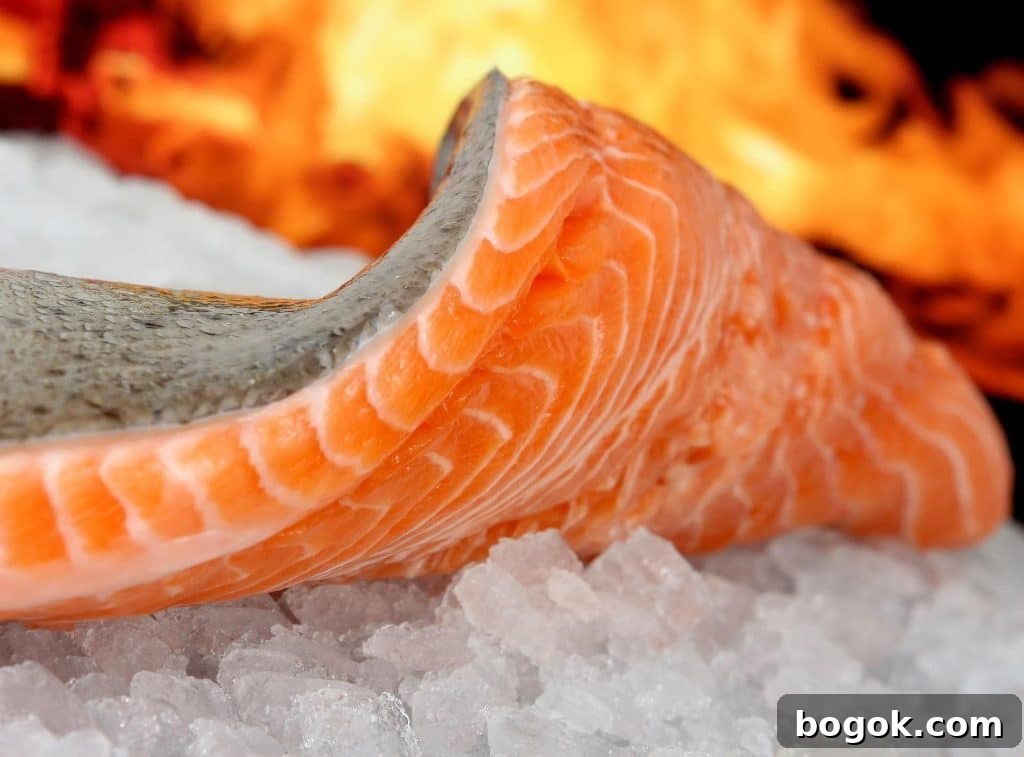
How long can you refreeze fish for?
Quality declines with repeated freezing and thawing. A practical guideline is to avoid more than two or three freeze-thaw cycles. For best taste and texture, use frozen fish within about six months. Keep packages clearly labeled with the date so you can rotate stock and use older items first.
What is the best way to refreeze fish?
Refreezing methods vary in cost and effectiveness. The goal is to limit air contact, remove excess moisture, and keep fish cold while it’s handled. Here are common options and when to use them.
Ice Pack
Ice packs are handy for short-term cold storage during transport or when you need to keep thawed fish chilled before repackaging. They’re inexpensive and reusable, and work well for fillets or small portions. For long-term freezing they’re not a substitute for airtight packaging.
Plastic Wrap
Tightly wrapping fish in plastic or using freezer-grade wrap reduces air exposure and moisture loss. Wrap pieces individually and remove as much air as possible before sealing. For extra protection, place wrapped portions inside a sturdy freezer bag and press out the air before sealing.
Vacuum Sealing
Vacuum sealing is the most effective home method for long-term freezing. Removing air prevents freezer burn and slows quality loss. Vacuum-sealed fish keeps shape and texture better, and packages stack and store more efficiently in the freezer.
Dry Packing
Dry packing with desiccants is rarely practical for home use. It’s intended to remove moisture, but in household settings it’s often costly and less convenient than vacuum sealing or proper wrapping.
What happens to fish when you refreeze them?
Freezing reduces water content and forms ice crystals that puncture cell walls. When thawed, the fish can lose moisture and shrink, and its texture becomes softer or mushy. Repeated freezing accelerates these changes, causing tougher, rubbery flesh and muted flavor. Color can also fade.
To preserve the best texture, freeze fish as soon as possible after catch or purchase, and consider cooking before freezing if you plan to refreeze later. If you intend to eat fish raw, choose high-quality, properly handled products and follow seafood-safety guidance.
Are there any benefits to refreezing fish?
The primary benefit is convenience: refreezing lets you portion fish into smaller servings so you use only what you need and reduce waste. That can save money over time by stretching a single purchase across multiple meals. However, weigh convenience against the inevitable loss in texture and flavor with each cycle.
How does refreezing fish affect its quality?
Refreezing mainly affects texture and taste. Cell damage from ice crystals releases moisture when thawed, and repeated cycles worsen this. Proper packaging and limiting cycles slows deterioration, but some decline is unavoidable.
What are some tips for refreezing fish?
Follow these practical tips to keep refrozen fish safer and more enjoyable:
1. Keep the flesh away from the air
Wrap fish tightly in freezer-grade plastic, vacuum-seal, or use double layers with a sealed bag to prevent air contact and minimize freezer burn.
2. Cook your fish ahead of time
Cooking fish before freezing is often a good option. Cooked fish freezes well and reheats more attractively than repeatedly frozen raw fish. It’s also safer if there was any concern about how it was handled during thawing.
3. Use a vacuum sealer
Vacuum sealing is the best home method to protect quality. It removes air, slows oxidation, and helps maintain texture and flavor during storage.
4. Freeze in small portions
Divide fish into meal-sized portions before freezing. Smaller pieces freeze and thaw faster and more evenly, reducing the temptation to refreeze once partially thawed.
How should you store fish after you’ve refrozen it?
After refreezing, label packages with contents and date and store them flat so they freeze quickly and stack neatly. Use refrozen fish within a few months for best quality. When thawing, move portions to the refrigerator and cook promptly. If a package thaws completely and has been held at unsafe temperatures, it’s safer to discard it rather than risk illness.
What are some common mistakes people make when refreezing fish?
Common mistakes include thawing fish at room temperature, refreezing without repackaging, and not removing air from packaging. Thaw fish safely in the refrigerator, rewrap or vacuum-seal before refreezing, and avoid multiple freeze-thaw cycles when possible.
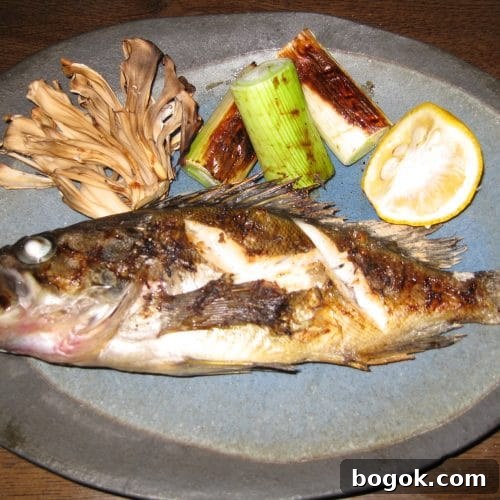
This Lemon-infused Grilled Rockfish is Insanely Delicious
Pin Recipe
Ingredients
- 1/2 cup extra-virgin olive oil
- 1/3 cup fresh lemon juice
- 4 cloves garlic
- 3 tablespoons chopped parsley
- 2 tablespoons chopped cilantro leaves
- 1 tablespoon thyme leaves
- 1 tablespoon tarragon leaves
- 1 tablespoon paprika
- 1 Salt
- 1 freshly ground pepper
- 6 rockfish fillets
Instructions
-
Preheat grill to medium heat.
-
Whisk together lemon juice, olive oil, garlic, salt, tarragon, cilantro, paprika, and pepper to make the marinade.
-
Place the fish in a bowl and pour the marinade over it.
-
Cover and refrigerate for an hour.
-
Let fish sit at room temperature for 10 minutes before grilling.
-
Pat dry lightly so the fish sears instead of steams.
-
Season both sides with salt and pepper.
-
Brush with olive oil and a little melted butter.
-
Grill over direct heat in the center of the grate, avoiding open flames.
-
Cook about 4 minutes per side until dark grill marks form.
-
Finish 3 minutes longer or until opaque throughout and internal temperature reaches 145°F.
-
Serve immediately with tartar sauce or lemon wedges.
Video
Nutrition
Related Posts
25 Best Green Tomato Recipes

Gordon Ramsay Panna Cotta Recipes

Sara Lee Pecan Coffee Cake Recipe

25 Simple Greek Desserts Recipes