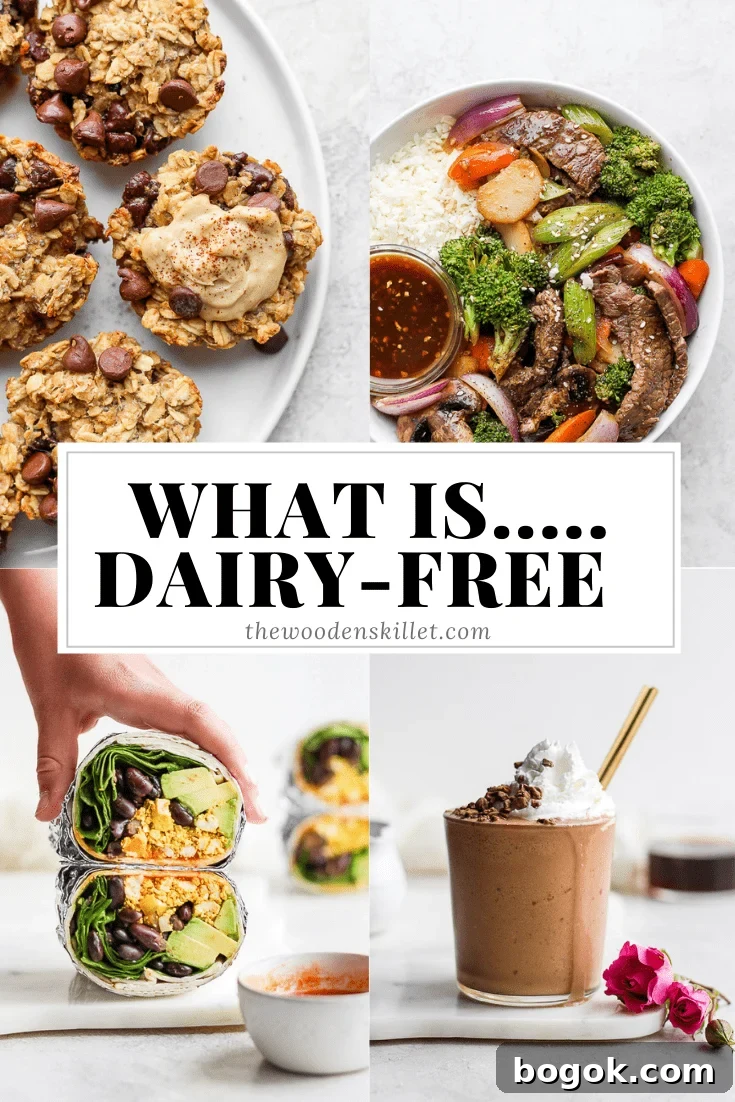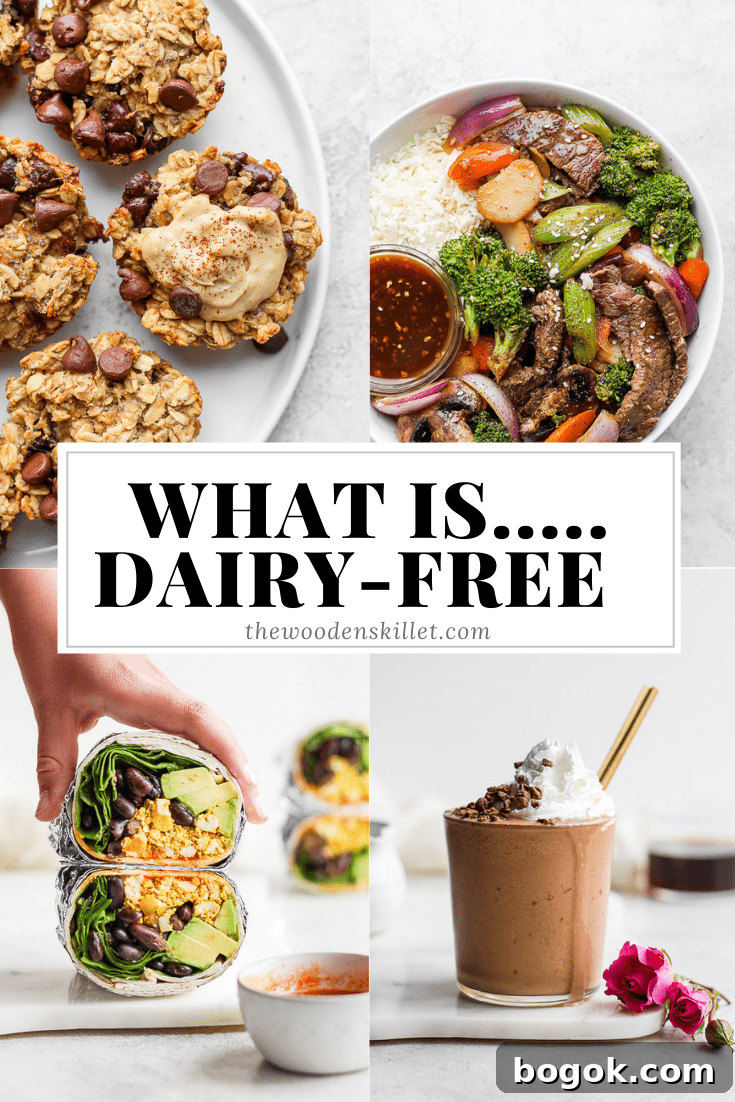
What is a Dairy-Free Diet – Interested in learning about a dairy-free diet? This guide covers what dairy is, reasons people avoid it, potential benefits, and practical tips to get started.
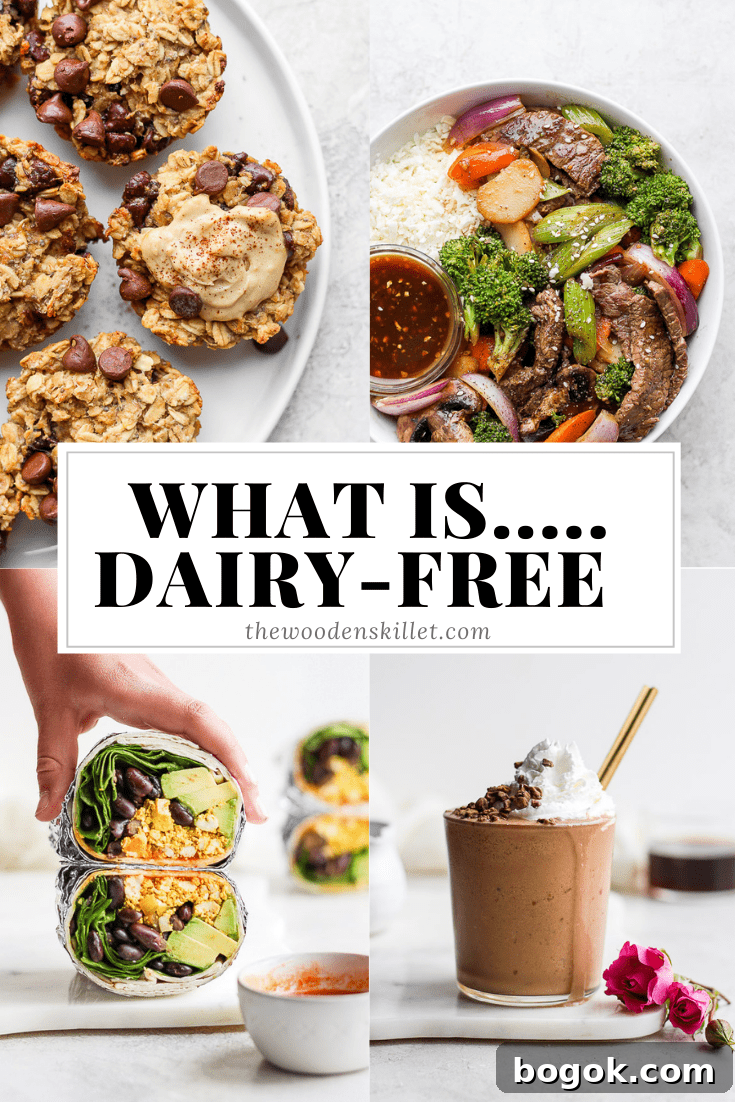
Find where to start, useful resources, and a few delicious dairy-free recipes to try.
(This is informational ONLY. If you are considering a dairy-free diet, please discuss with your doctor or a registered dietitian.)
If you’ve been thinking about trying a dairy-free diet, you’re in the right place. Below is a clear overview to help you decide if it might work for you and how to begin.
What is Dairy
Dairy or milk products are foods produced from or containing the milk of mammals. Common sources include cattle, water buffalo, goats, sheep and camels. Dairy appears in many forms such as liquid milk, fermented yogurt, cheeses, butter and cream-based products.
What is a Dairy-Free Diet
A dairy-free diet excludes all dairy products and any foods containing dairy ingredients. People choose this diet for health, allergy, intolerance, or personal preference reasons.
What Foods are Dairy-Based
- Milk
- Yogurt
- Cheese
- Butter and ghee
- Ice cream and frozen dairy desserts
- Many processed foods also contain milk derivatives or whey, casein, lactose and other dairy-derived ingredients.
Why People Choose or Need a Dairy-Free Diet
People avoid dairy for several reasons: diagnosed milk allergy, lactose intolerance, or because dairy appears to trigger symptoms. Common issues linked to dairy include:
- Digestive discomfort (bloating, gas, diarrhea)
- Skin concerns like acne or eczema
- Feeling groggy or low energy after eating dairy
- Other allergic or sensitivity reactions
Potential Benefits of Removing Dairy
Eliminating dairy can reduce or resolve symptoms for some people. Improvements may include better digestion, clearer skin, reduced inflammation or greater overall comfort.
Sensitivity varies—some tolerate certain dairy forms (like aged cheese or yogurt) but react to others. Others need to avoid all dairy, lactose, or specific proteins like casein. The right approach depends on individual tolerance and guidance from a healthcare professional.
If symptoms persist after removing dairy, consult a doctor or registered dietitian for further evaluation and testing.
The Whole30 effect – Some people report feeling lighter and less groggy after a Whole30-style elimination of dairy, then choose to limit or exclude dairy long-term based on symptoms after reintroduction.
Finding Foods That Make Your Body Feel Great
Giving up foods you enjoy can be challenging, but many find the trade-off worthwhile when symptoms improve. There are abundant delicious dairy-free options and recipes that can make the transition easier and enjoyable.
Reader-Favorite Dairy-Free Recipes
- Dairy-Free Broccoli Cheese Soup (dairy-free version)
- Dairy-Free Green Bean Casserole
- Healthy Chicken Salad
- Strawberry Smoothie (dairy-free)
- Dairy-Free Lasagna
Tips for Starting a Dairy-Free Diet
- Learn which foods and ingredients may contain dairy so you can read labels confidently.
- Familiarize yourself with dairy-free certifications and labeling on packaged foods.
- Keep a food and symptom diary to track how different foods affect you.
- Consult a doctor or registered dietitian for personalized advice and to ensure nutritional balance.
- Experiment with new recipes and dairy-free substitutes. A few ideas to try include dairy-free meatballs and dumplings, a creamy matcha latte made with plant milk, or shrimp and chicken green curry prepared without dairy.
Other Ways of Eating
- Plant-based eating
- Gluten-free approaches
- Whole30-style elimination diets
- Paleo eating
- Real food principles