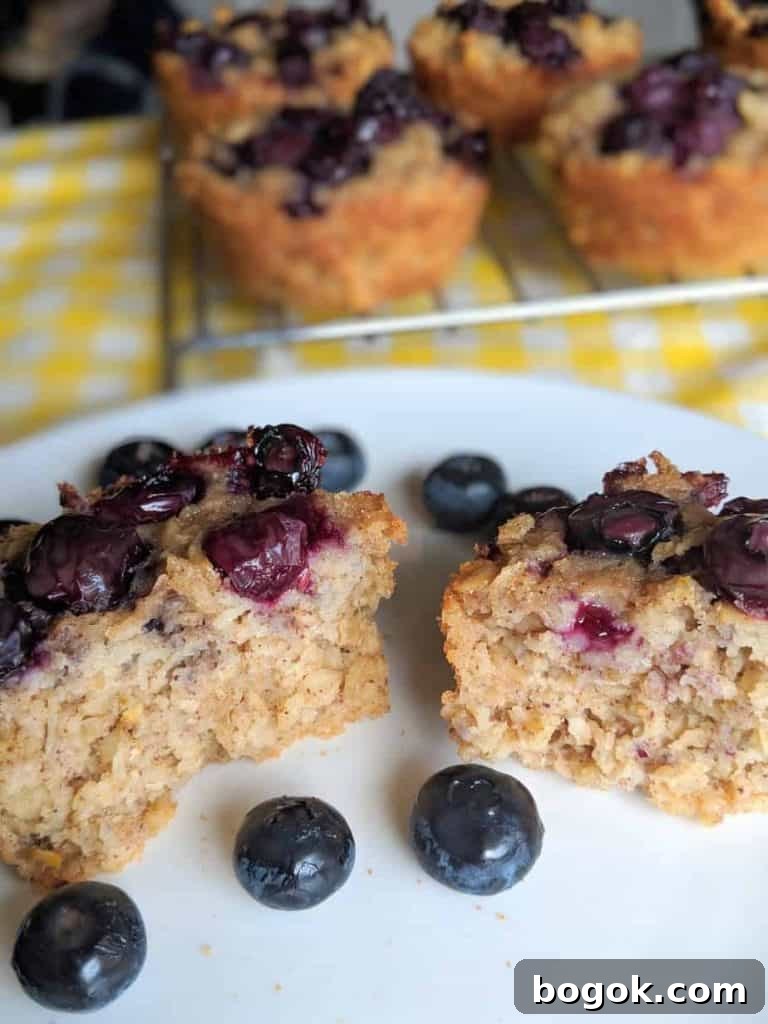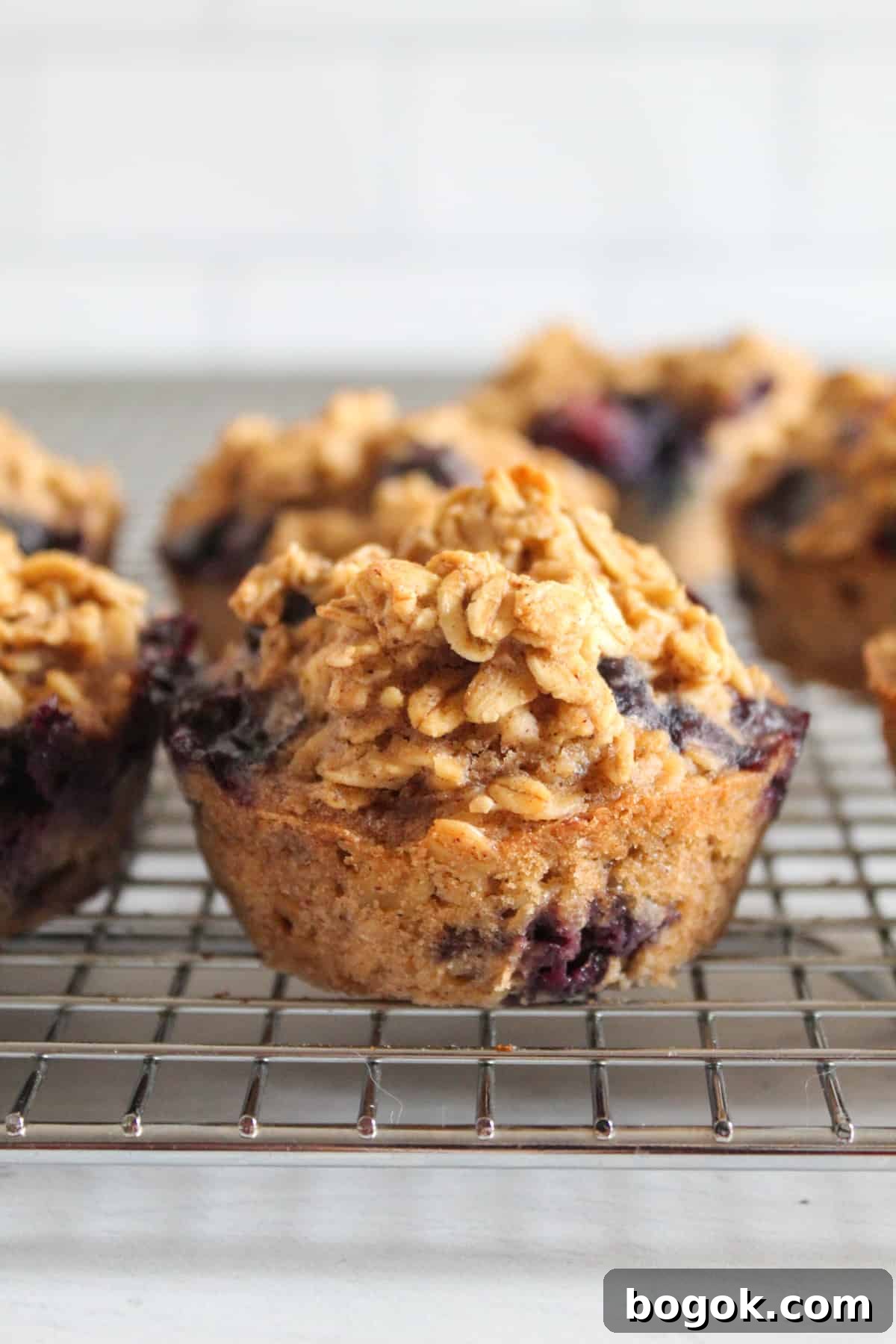
Most “healthy” muffins end up dry, bland, or secretly packed with sugar.
These heart-healthy gluten-free blueberry oatmeal muffins break that pattern.
Made with fiber-rich oats, antioxidant-packed blueberries, and naturally sweetened with maple syrup, they stay soft, moist, and genuinely satisfying—without refined flour or dairy.
Whether you’re managing cholesterol, eating gluten-free, or simply want a nourishing breakfast that actually tastes good, this is a muffin recipe you’ll reach for again and again.
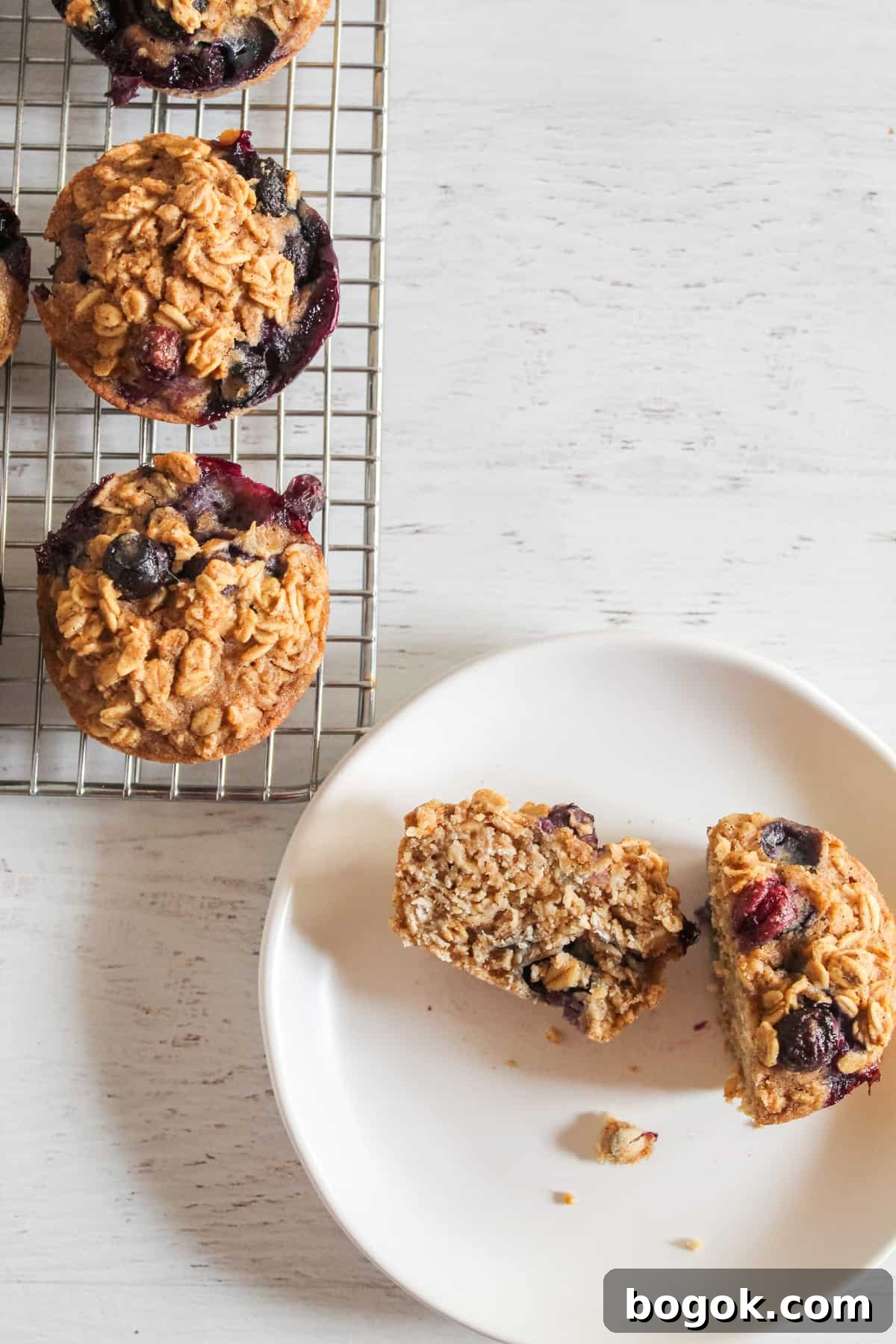
Why These Blueberry Oatmeal Muffins Work
Finding a gluten-free snack that’s actually worth eating can feel impossible. Too many options crumble, taste flat, or rely on highly processed ingredients that leave you hungry an hour later. These blueberry oatmeal muffins solve that problem.
They’re hearty without being heavy, naturally sweet without refined sugar, and satisfying in a way most gluten-free baked goods aren’t. A blend of whole oats, oat flour, and juicy blueberries gives these muffins a tender, moist texture that holds together well—even after a few days.
Why they’ve become a go-to:
- Quick and approachable: Only 15 minutes of hands-on prep
- Light on added fat: Just 2 tablespoons of coconut oil for the whole batch
- Naturally sweet and flavorful: Bursting with fresh blueberries
- Freezer-friendly: Great for meal prep and busy weeks
Whether you want a filling breakfast muffin, an afternoon snack, or a lightly sweet treat after dinner, these fit the moment without tasting like a compromise.
Nutrition Snapshot (Per Muffin)
Based on 1 of 12 muffins. Values are estimates and will vary by brands and substitutions.
- Calories: ~145
- Fiber: ~4 g
- Protein: ~4 g
- Total Carbohydrates: ~21 g
- Total Sugar: ~7 g
- Added Sugar: ~4 g
- Total Fat: ~5 g
- Saturated Fat: ~2 g
- Cholesterol: 0 mg
- Sodium: ~120 mg
Why These Numbers Matter
- Fiber: Supports heart health and fullness, mainly from whole oats and blueberries.
- Moderate sugar: Sweetened with pure maple syrup, no refined white sugar.
- No cholesterol: Uses plant-based fats and almond milk instead of butter or dairy.
- Balanced macros: A mix of carbs, fiber, fat, and protein for steady energy.
Nutrition estimates are illustrative. For medical or dietary advice, consult a qualified professional.
Who These Muffins Are For
These blueberry oatmeal muffins were developed with everyday health goals and practical routines in mind. They’re intentionally structured for balanced nutrition and easy preparation—not just for a gluten-free label.
- Busy mornings and meal prep: Quick to prepare, store and freeze well.
- Cholesterol-conscious eaters: Whole-grain oats provide beta-glucan, a soluble fiber associated with heart health.
- Gluten-sensitive households: Use certified gluten-free oats and oat flour to avoid cross-contamination.
- Anyone seeking better-for-you baking: Naturally sweetened and free from refined flour, these fit a balanced eating pattern.
Ingredient Breakdown and Why Each One Matters
What makes these muffins work isn’t a long ingredient list—it’s how a handful of whole-food ingredients interact when mixed, rested, and baked.
Oats add structure and slow-digesting fiber, oat flour binds without gluten, and blueberries add sweetness and moisture as they soften in the oven. Thoughtful substitutions are possible, but they should respect moisture and structure.
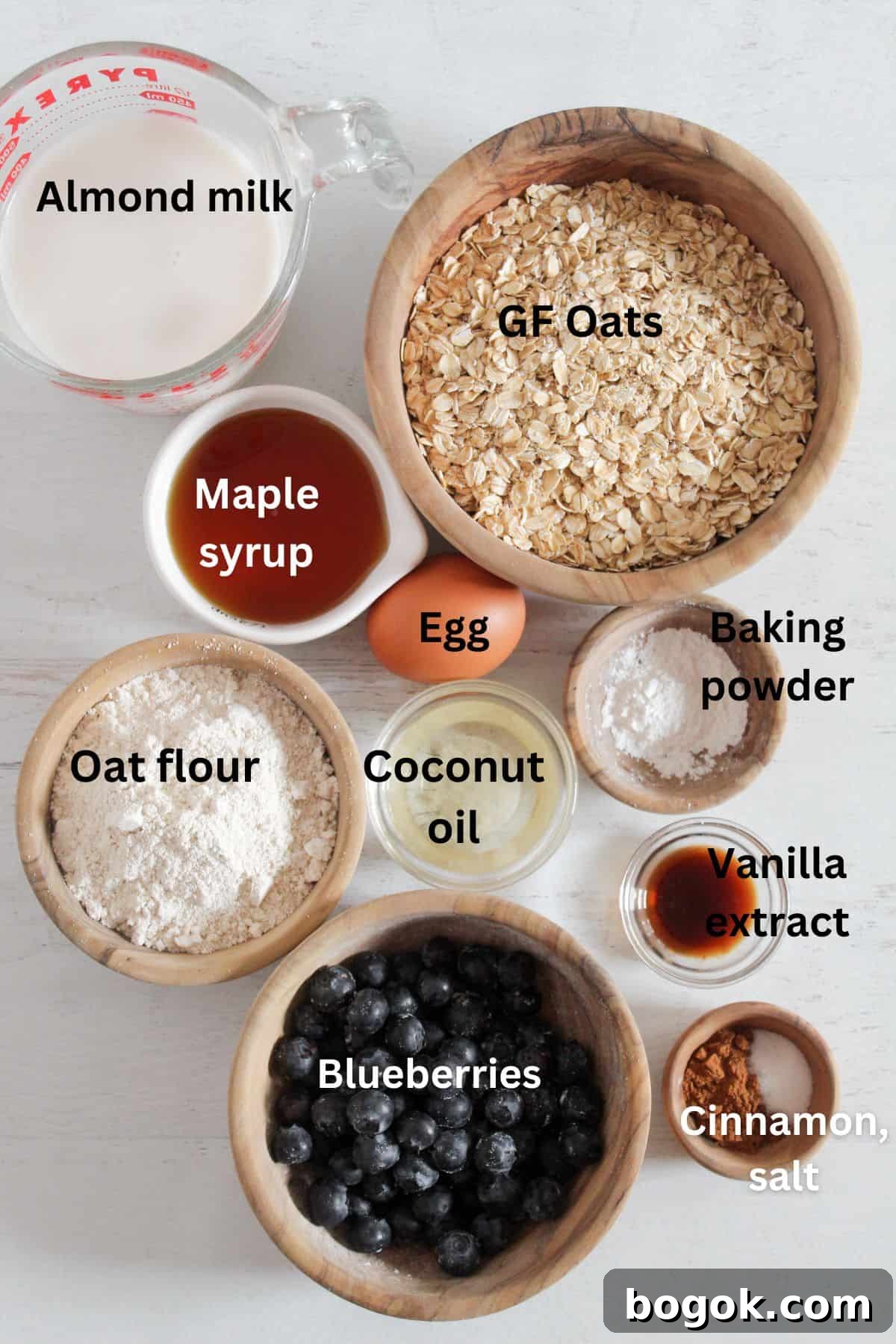
Ingredients You’ll Need
These muffins rely on simple, whole-food ingredients. Because the recipe is gluten-free and refined-sugar-free, balance matters. Use the list as written for best results, especially your first time.
Ingredient List
- 200 g gluten-free oats
- 75 g oat flour
- 1 tsp baking powder
- 1 tsp cinnamon
- 1/8 tsp salt
- 1 cup almond milk
- 1 egg
- 1/3 cup maple syrup
- 2 Tbsp coconut oil, melted
- 1 tsp vanilla extract
- 150 g blueberries
Gluten-free oats
If you are gluten-sensitive, use certified gluten-free oats to avoid cross-contamination. Oats form the backbone of the recipe, providing structure, moisture retention, and lasting satiety.
Oat flour
Oat flour adds tenderness and helps bind the muffins. Amaranth or almond flour can substitute, though almond flour yields a slightly richer crumb.
Baking powder
Balanced leavening is key for oat-based batters. Use a certified gluten-free baking powder.
Cinnamon
Adds warmth and depth. Omit if you prefer a pure blueberry flavor.
Salt
Essential for balancing sweetness and enhancing blueberry flavor.
Almond milk
Keeps the muffins dairy-free while adding moisture. Unsweetened varieties work best.
Egg
Binds the batter and supports structure. For egg-free baking, a liquid egg replacer is the best option here.
Maple syrup
Provides sweetness and moisture. Use pure maple syrup rather than flavored syrups.
Coconut oil
Adds tenderness without heaviness. Melted butter or a neutral oil can be swapped 1:1 if preferred.
Vanilla extract
Rounds out the sweetness and enhances blueberry flavor. Pure vanilla gives the best result.
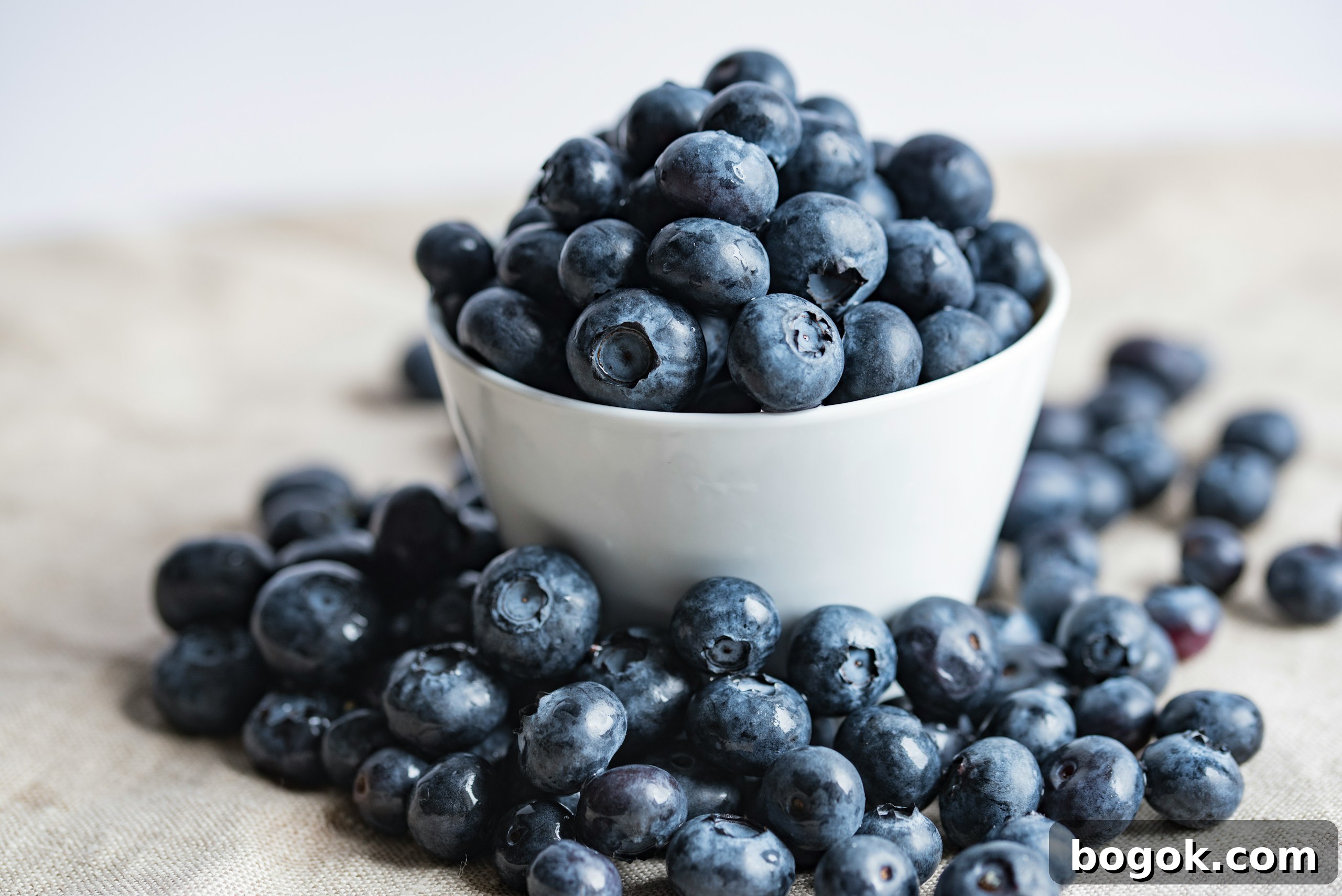
Blueberries
Fresh blueberries are ideal. Frozen works in a pinch but may add extra moisture and color bleed. Cranberries or blackberries are good alternatives.
Measurements and step-by-step instructions are provided in the recipe card below.
Note About High-Quality Ingredients
Using quality ingredients makes a noticeable difference. Certified gluten-free oats ensure safety, and pure maple syrup offers clean sweetness. Because the recipe is simple, ingredient quality directly affects flavor and texture.
Ingredient Substitutions That Actually Work
The recipe is flexible, but because it’s oat-focused and gluten-free, substitutions should respect moisture balance, fat content, and structure.
Oats & Oat Flour
- Gluten-free oats are central to structure and moisture retention.
- For oat flour substitutes, try amaranth or almond flour. Almond flour yields a softer, more delicate crumb.
- There is no direct substitute for the whole oats without fundamentally changing the outcome.
Milk Options
- Almond milk provides a neutral, light texture.
- Coconut or oat milk can be substituted 1:1.
- Avoid heavily sweetened or thickened plant milks that can change moisture levels.
Egg-Free Option
- A liquid egg replacer works best to provide binding without drying the batter.
- If using a powdered replacer, follow package directions to maintain proper hydration.
Sweeteners
- Pure maple syrup is ideal for sweetness and moisture.
- Honey can substitute but will darken the muffins slightly and deepen flavor.
- Avoid granulated sweeteners, which can dry out the batter.
Fats
- Coconut oil keeps the muffins tender without heaviness.
- Melted butter or neutral vegetable oil can be used 1:1.
- Don’t reduce fat too much—it’s important for moistness.
Fruit Variations
- Fresh blueberries give the best texture.
- Frozen blueberries may add moisture and color bleed.
- Cranberries or blackberries work well; tart fruits may need slightly more sweetener.
Substitution Tip from the Test Kitchen
If making multiple substitutions, change only one variable at a time. Gluten-free batters are sensitive to moisture shifts, and multiple swaps can throw off the balance.
Tools That Help These Muffins Turn Out Well
Specialty equipment isn’t required, but a few basic tools improve consistency and make gluten-free baking easier.
Muffin Pan
A sturdy 12-cup muffin pan promotes even heat distribution and consistent rise. Thin pans can cause uneven browning or underbaked centers in oat-based batters.
Nonstick or Silicone Muffin Liners
Gluten-free muffins are more likely to stick. Nonstick parchment or silicone liners help the muffins release cleanly and hold their structure once cooled.
Mixing Bowls
Separate bowls for dry and wet ingredients help ensure even mixing and prevent overworking the batter.
Whisk and Rubber Spatula
A whisk distributes baking powder and spices evenly, while a rubber spatula is ideal for folding in blueberries without crushing them.
Portion Scoop or Measuring Cup
Evenly portioning the batter helps all muffins bake at the same rate and avoids overbaking.
Cooling Rack
Transferring muffins to a cooling rack prevents trapped steam from making the bottoms soggy.
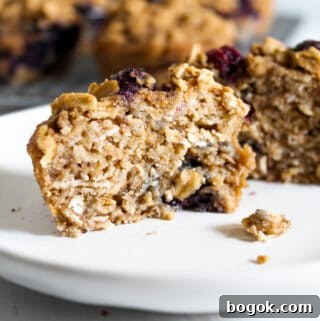
Heart-Healthy Blueberry Oatmeal Muffins (Gluten-Free & Dairy-Free) Recipe Card
A delicious, healthy gluten-free blueberry oatmeal muffin—perfect for breakfast or a quick snack!
Ingredients
- 200 grams gluten free oats (about 2 cups)
- 75 grams oat flour (about 1/2 cup)
- 1 teaspoon baking powder
- 1 teaspoon ground cinnamon
- 1/8 teaspoon salt
- 1 cup almond milk
- 1 egg
- 1/3 cup maple syrup
- 2 Tablespoons coconut oil, melted
- 1 teaspoon pure vanilla extract
- 150 grams fresh blueberries (about 1 cup)
Instructions
- In a large bowl, combine the gluten-free oats, oat flour, baking powder, cinnamon, and salt. Stir until evenly distributed.
- In a small bowl or measuring cup, whisk together the almond milk, egg, maple syrup, melted coconut oil, and vanilla until smooth.
- Pour the wet ingredients into the dry and stir gently about 30 seconds, just until no dry spots remain. The batter should be thick and spoonable.
- Using a rubber spatula, gently fold in the blueberries, mixing just until distributed to avoid crushing them.
- Let the batter rest for 30 minutes to allow the oats and oat flour to hydrate for a moister, better-structured muffin.
- Preheat the oven to 375°F (190°C). Spray a 12-cup muffin tin with nonstick spray and fill each cup about ¾ full with batter.
- Bake 25–30 minutes, until the tops are set and a toothpick inserted into the center comes out clean or with a few moist crumbs.
- Cool the muffins in the pan 5 minutes, then transfer to a wire rack to finish cooling.
Notes
- Use room-temperature ingredients for best results.
- Use certified gluten-free oats.
- Swap oat flour for amaranth or almond flour if needed.
- Honey can replace maple syrup; melted butter or vegetable oil can replace coconut oil.
- Store at room temperature in a sealed container up to 2 days, or freeze for longer storage.
- Defrost in the microwave 30–60 seconds for a fresh-baked texture.
Nutrition
Calories: 149 kcal | Carbohydrates: 24 g | Protein: 4 g | Fat: 5 g | Saturated Fat: 2 g | Fiber: 3 g | Sugar: 7 g
Step-by-Step Instructions for Reliable Muffins
Once ingredients and substitutions are decided, follow these steps. Timing and texture matter when baking with oats.
Step One: Mix the Dry Ingredients – Preparing the Oat Base
Combine gluten-free oats, oat flour, baking powder, cinnamon, and salt. Stir until even so the muffins bake uniformly.
Step Two: Whisk the Wet Ingredients – Building the Batter
Whisk almond milk, egg, maple syrup, melted coconut oil, and vanilla until smooth.
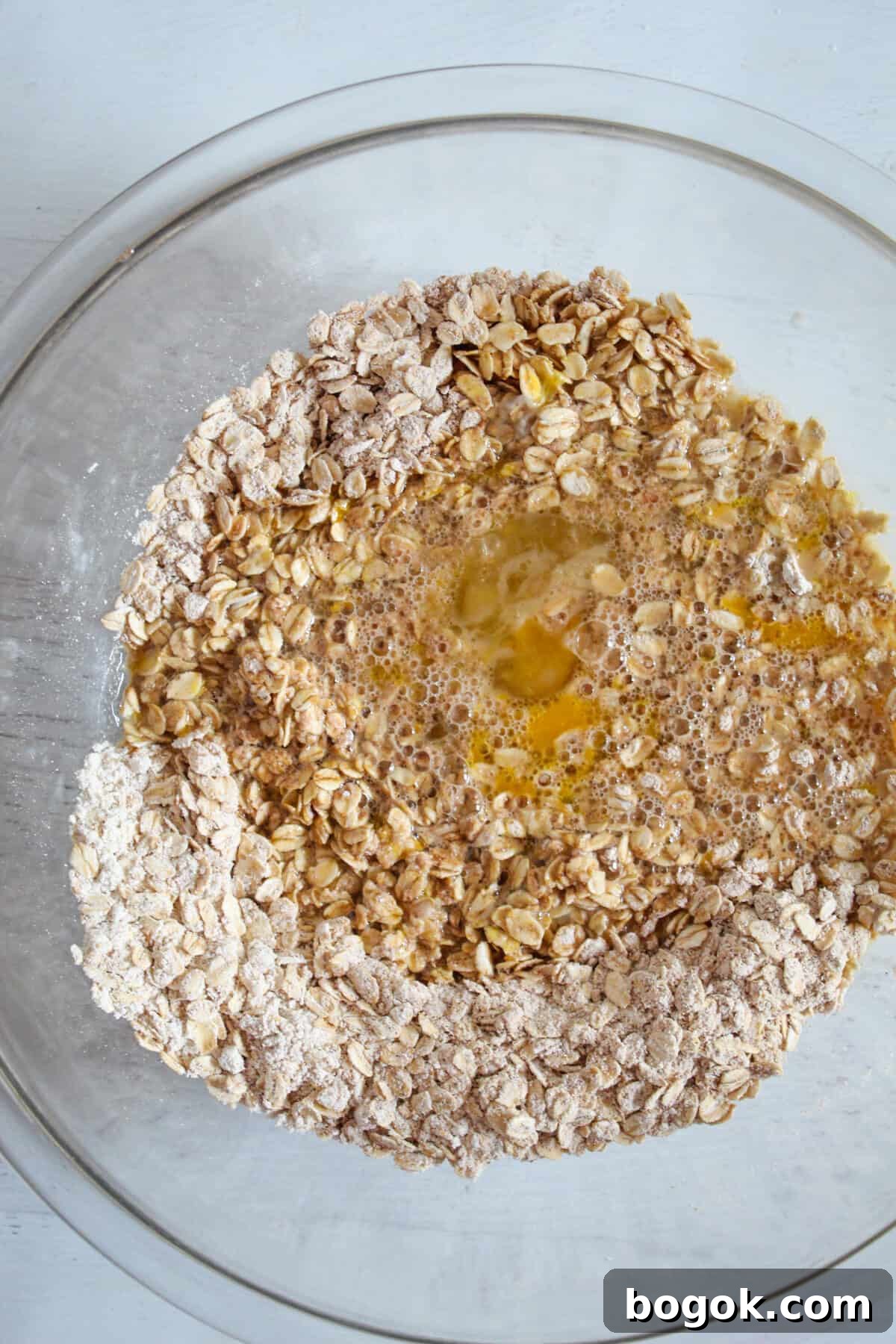
Step Three: Combining Wet and Dry for Proper Texture
Pour wet into dry and stir gently about 30 seconds until no dry spots remain. Batter should be thick and spoonable.
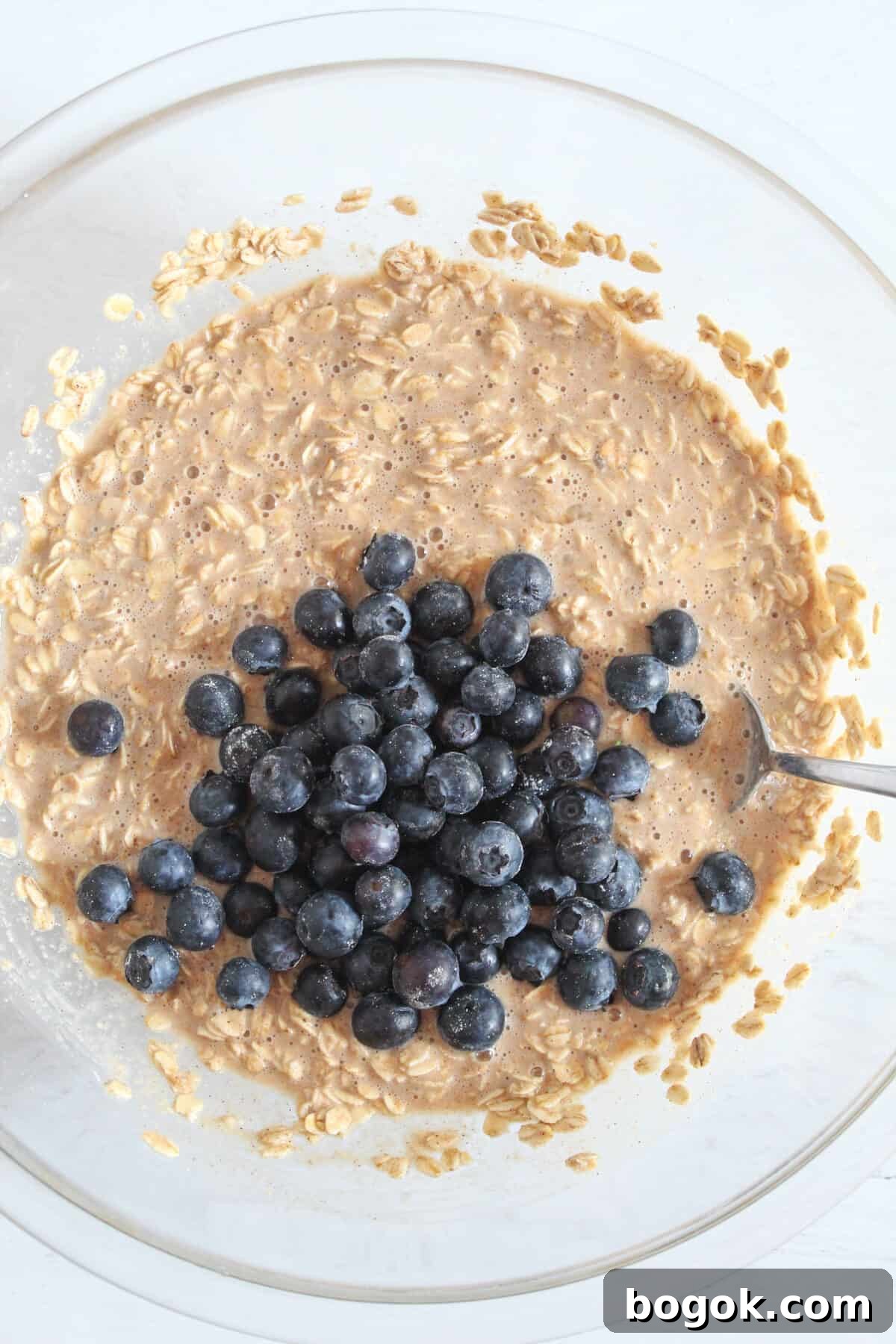
Step Four: Folding in Blueberries Without Bleeding
Gently fold blueberries with a rubber spatula until evenly distributed, taking care not to crush them.
Step Five: Rest the Batter for Better Structure
Let the batter rest 30 minutes so the oats and oat flour hydrate; this yields a moister, better-structured muffin.
Why soaking or resting oats improves texture
Oats absorb liquid over time, softening to create a moist, cohesive texture similar to baked oatmeal rather than a dry, crumbly muffin.
Step Six: Fill the Muffin Tin for Even Baking
Preheat oven to 375°F (190°C) and allow it to fully reach temperature. Spray a 12-cup muffin tin and fill each cup about ¾ full.
Step Seven: Baking Until Set, Not Dry
Bake 25–30 minutes until tops are set and a toothpick comes out clean or with a few moist crumbs.
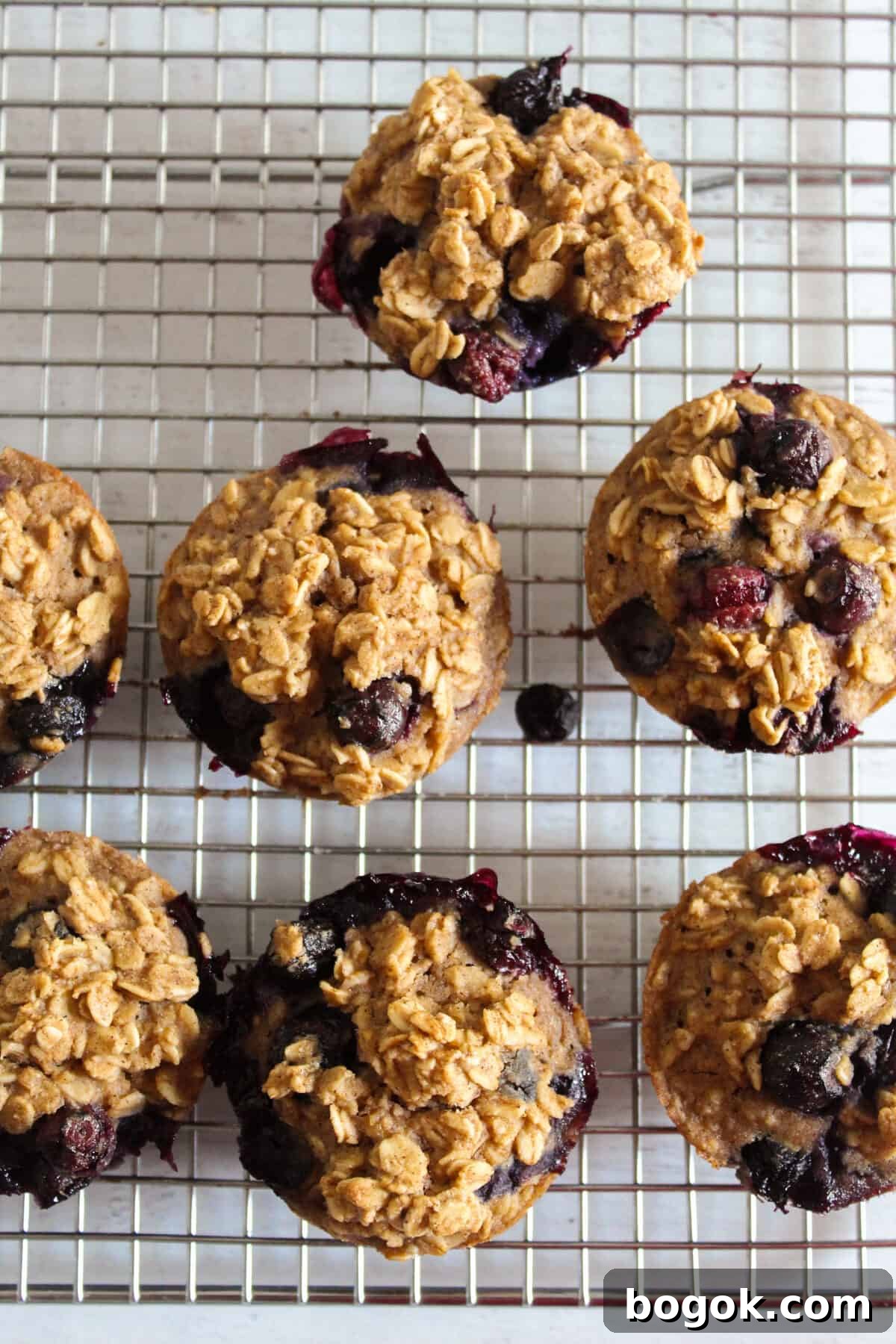
Visual doneness cues beyond a toothpick
- Tops look set and no longer shiny.
- Edges are lightly golden and muffins hold their dome.
- Toothpick comes out clean or with a few moist crumbs—not wet batter.
Why cooling time affects crumb structure
Cool muffins in the pan 5 minutes, then transfer to a wire rack. This short rest lets steam redistribute so the crumb finishes setting and the muffins hold together.
Step Eight: Cooling and Serving for Best Texture
Cool in the pan 5 minutes, then move to a wire rack to finish cooling before serving.
4 Pro Baker Tips for Better Blueberry Oatmeal Muffins
Small details make a big difference in oat-based gluten-free baking. These tips address common issues like texture, sticking, and storage.
1. Let the Batter Rest
The 30-minute rest is essential. Oats and oat flour need time to absorb liquid; skipping it is the most common cause of poor texture.
2. Use Room Temperature Ingredients
Cold ingredients don’t blend evenly. Let egg, milk, and syrup come to room temperature for a smoother batter and more even bake.
3. Measure by Weight for Accuracy
When weight measurements are given, use them. Gluten-free baking is sensitive to small hydration changes; a digital scale ensures consistent results.
4. Prepare the Muffin Tin Well
Generously spray the muffin tin with nonstick cooking spray. These moist, blueberry-studded muffins can stick if the pan isn’t prepared.
Storage and Freezing Tips for Fresh-Tasting Muffins
These muffins retain moisture well, making them ideal for make-ahead breakfasts and snacks. Proper storage keeps them tender.
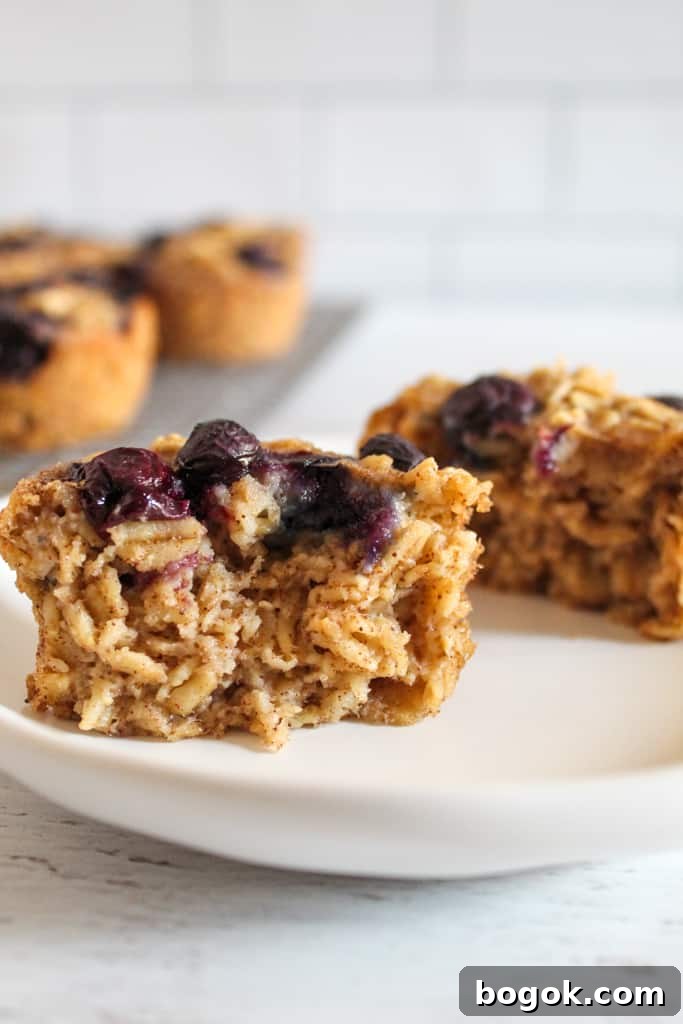
Best Storage for Moisture Retention
Store muffins in a sealed container or bag at room temperature up to 2 days. Lining the container with a paper towel helps absorb excess moisture and prevents sogginess.
Freezing Without Texture Loss
Freeze muffins in a well-sealed freezer bag for up to 3 months. Oat-based muffins thaw with good texture because oats retain moisture.
Reheating for Fresh-Baked Results
Microwave a frozen muffin 30–60 seconds or let it thaw at room temperature. A brief warm-up revives the oats’ moisture and the fresh-baked texture.
If you bake these muffins or try variations, please share your results in the comments—your experience helps other bakers.
Did you make and love this recipe? Leave a rating and review below!