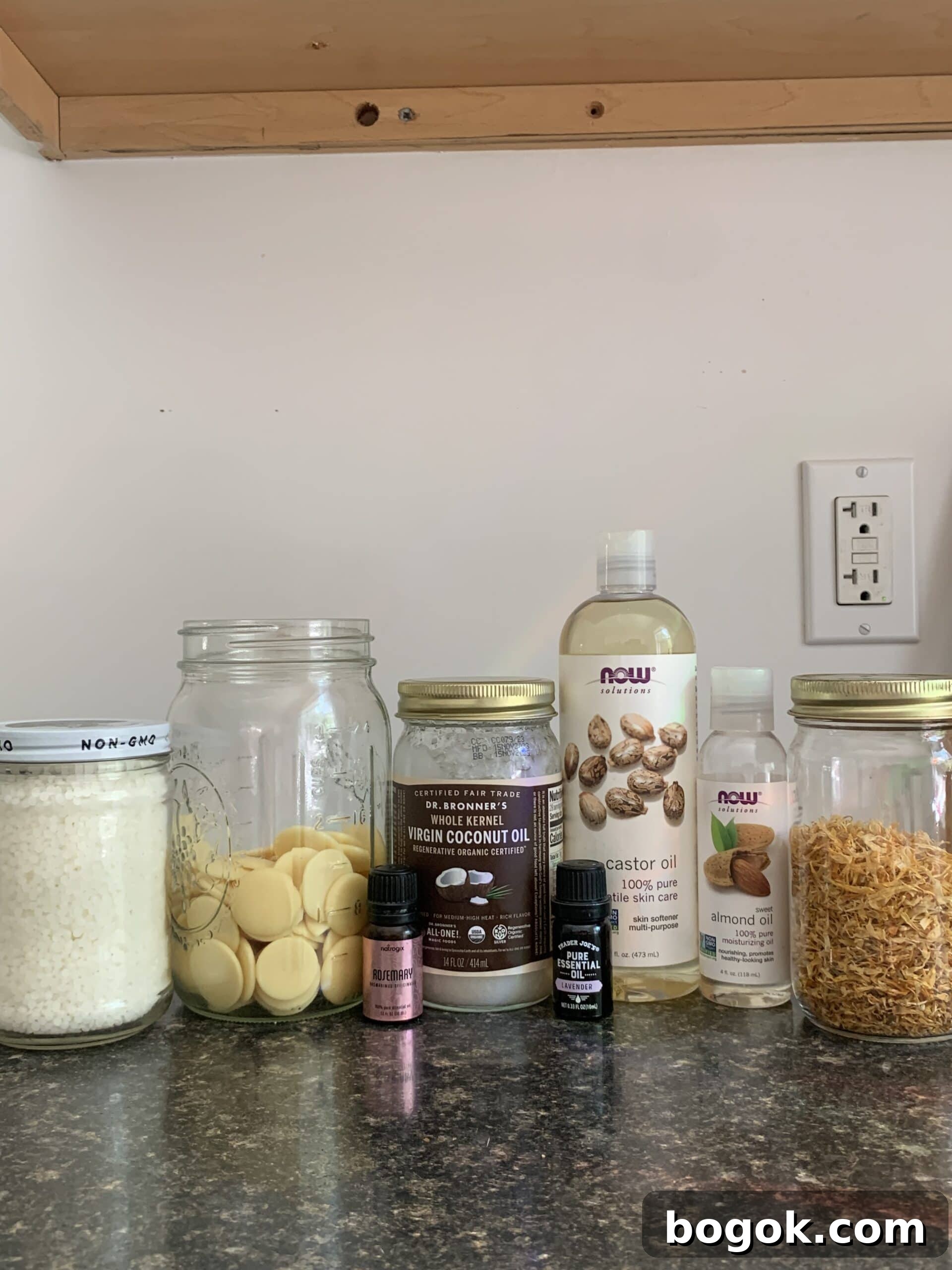
Skincare was one of the first areas I tackled when I began my low-tox journey. Back then I suffered from persistent allergies, rashes, and inflammation. After trying conventional treatments for years with little relief, switching to cleaner products made a huge difference—I haven’t had a rash or ongoing inflammation in years, and my allergies are now occasional.
A major factor in this improvement has been committing to natural skincare. At first, reading labels was overwhelming: many products labeled “natural” still contained long lists of unfamiliar or potentially harmful ingredients. That frustration pushed me to start making some of my own skincare products. While I still buy items like face soap and moisturizer, I enjoy experimenting with recipes. Knowing exactly what I apply to my skin is priceless, especially with my sensitivities.
Body lotion was one of the first things I began making. Non-toxic options at the store felt limited, packaging often relied on large plastic containers, and solid lotion bars were expensive. So I tested several simple homemade lotions using natural, non-toxic ingredients.
This article shares a variety of approachable recipes—from a two-ingredient oil-based lotion to richer, emulsified formulas that include herb-infused oils. If you’re new to DIY skincare, you might feel intimidated, but these recipes are easy, affordable, and fun to make.
What this article covers:
- The Basics of Crafting Your Own Body Lotion
- My 3 Nourishing, Non-Toxic DIY Lotion Recipes for Beginners
- 1. Nourishing Coconut Oil Lotion
- 2. Whipped Cacao Body Lotion
- 3. Calendula Body Lotion
- Common Toxic Ingredients In Store-Bought Body Lotion
- Artificial fragrances
- Formaldehyde and formaldehyde-releasers
- Parabens
- Isothiazolinone preservatives
- PFAS or “forever chemicals”
This guide includes product suggestions and may contain affiliate links. Recommendations are genuine and based on experience.
The Basics of Crafting Your Own Body Lotion
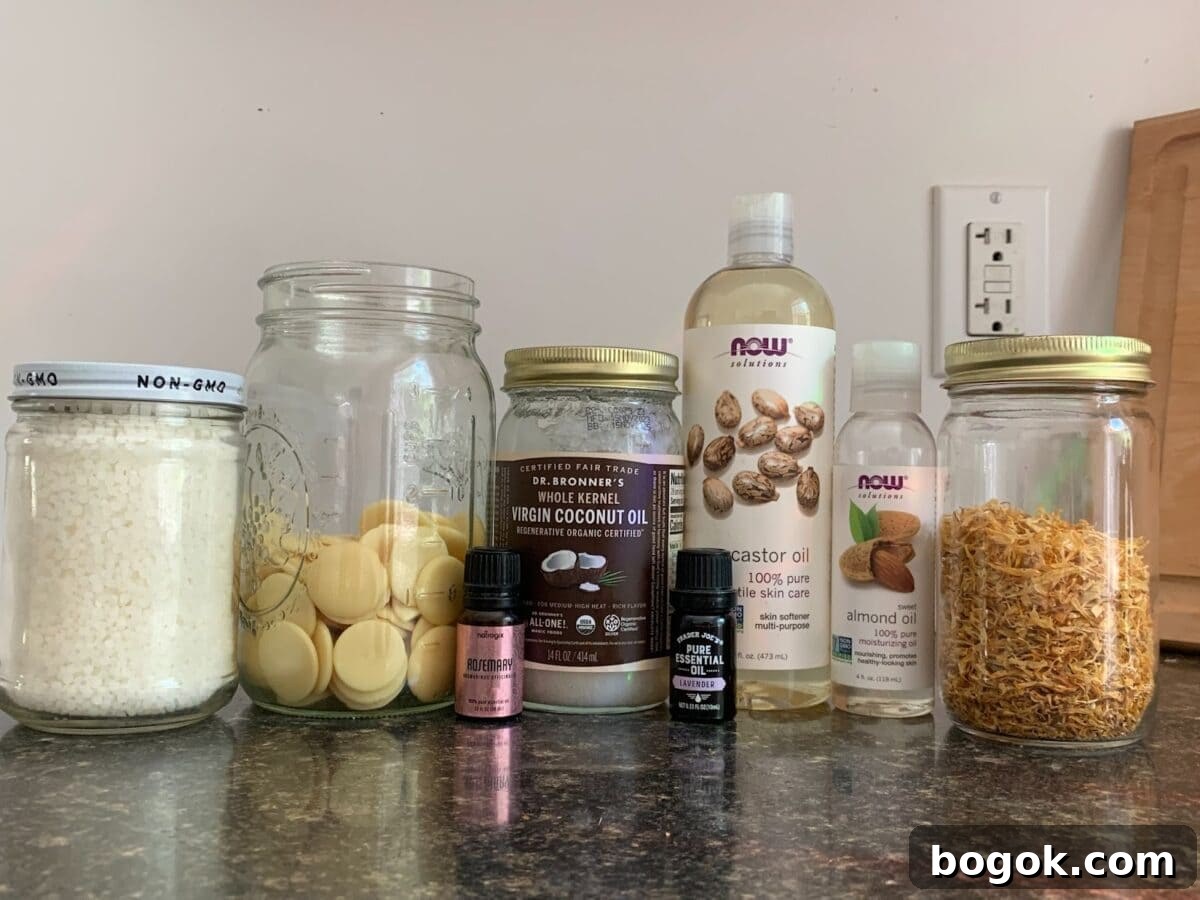
When you start making skincare at home, a few basics help you avoid wasted ingredients and frustration. Most lotions rely on three core components: oil, water, and an emulsifier to bind the two phases. With those, you can create countless variations by choosing different oils, butters, and emulsifiers to suit your skin’s needs.
Understanding oil properties helps you match a lotion to your skin type. Here are common carrier oils and their general properties:
- Olive oil: antioxidant-rich, stable, moisturizing.
- Castor oil: thick and protective; anti-inflammatory but may stain fabrics.
- Sweet almond oil: light, easily absorbed, great as an emollient.
- Coconut oil: cooling and protective; can be drying for some people.
- Avocado oil: nourishing and rich, excellent for dry skin.
- Apricot kernel oil: very light and easily absorbed, good for sensitive or oily-prone skin.
Natural emulsifier options include beeswax, carnauba wax, and candelilla wax. I recommend avoiding many synthetic emulsifiers commonly used in commercial lotions—such as polysorbates, stearates, and certain petroleum-derived emulsifying waxes—because they can irritate or weaken the skin barrier for some people.
Preservatives are another important consideration: water-based emulsions need preservatives to prevent microbial growth. The homemade recipes below are mostly small-batch and preservative-free, so they’ll keep for a few months in proper storage. Make smaller amounts or refrigerate to extend freshness, and consider natural preservative options if you want longer shelf life.
In this post you’ll find three recipes. The first is a water-free, oil-based lotion for beginners—no emulsifier needed, and it stores longer. The other two include emulsification steps but remain beginner-friendly.
My 3 Nourishing, Non-Toxic DIY Lotion Recipes for Beginners
Below are three simple recipes and the basic tools you’ll need. These items are useful across many DIY skincare projects:
- Glass jars with lids
- Saucepan and heat-proof container for a double boiler
- Cheesecloth for straining infusions
- Hand mixer or whisk
- Measuring cups and spoons
- Funnel and labels
1. Nourishing Coconut Oil Lotion
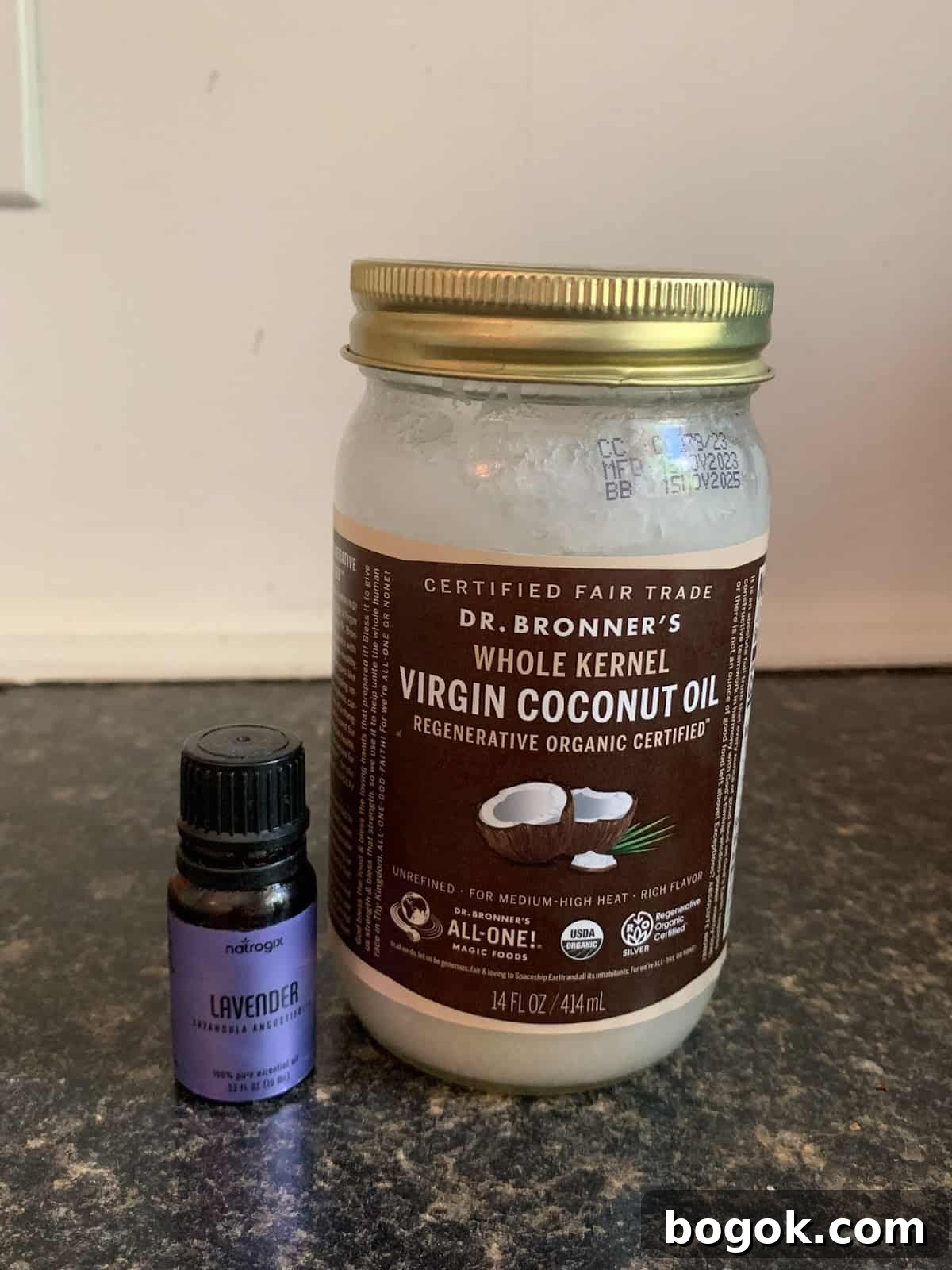
This is the simplest lotion and my go-to when I want something quick and effective. It’s oil-only, so no emulsifier or preservative is required, and it can be ready in minutes. Because coconut oil solidifies at cooler temperatures, you can keep it soft at room temperature or refrigerate for a firmer texture.
Ingredients
- ½ cup virgin coconut oil
- 20–30 drops lavender essential oil (optional)
Directions
Mix coconut oil with lavender essential oil. If the coconut oil is solid, gently melt it until it liquefies, stir to combine, then let it re-solidify to your preferred texture. Store in a jar. Apply after showering for best absorption.
This recipe is versatile: swap the carrier oil (olive, apricot kernel, sweet almond, etc.) and essential oils to suit your skin and scent preferences. Coconut oil can feel greasy on some skin types; if it clogs your pores, choose a lighter oil like apricot kernel or rosehip.
2. Whipped Cacao Body Lotion
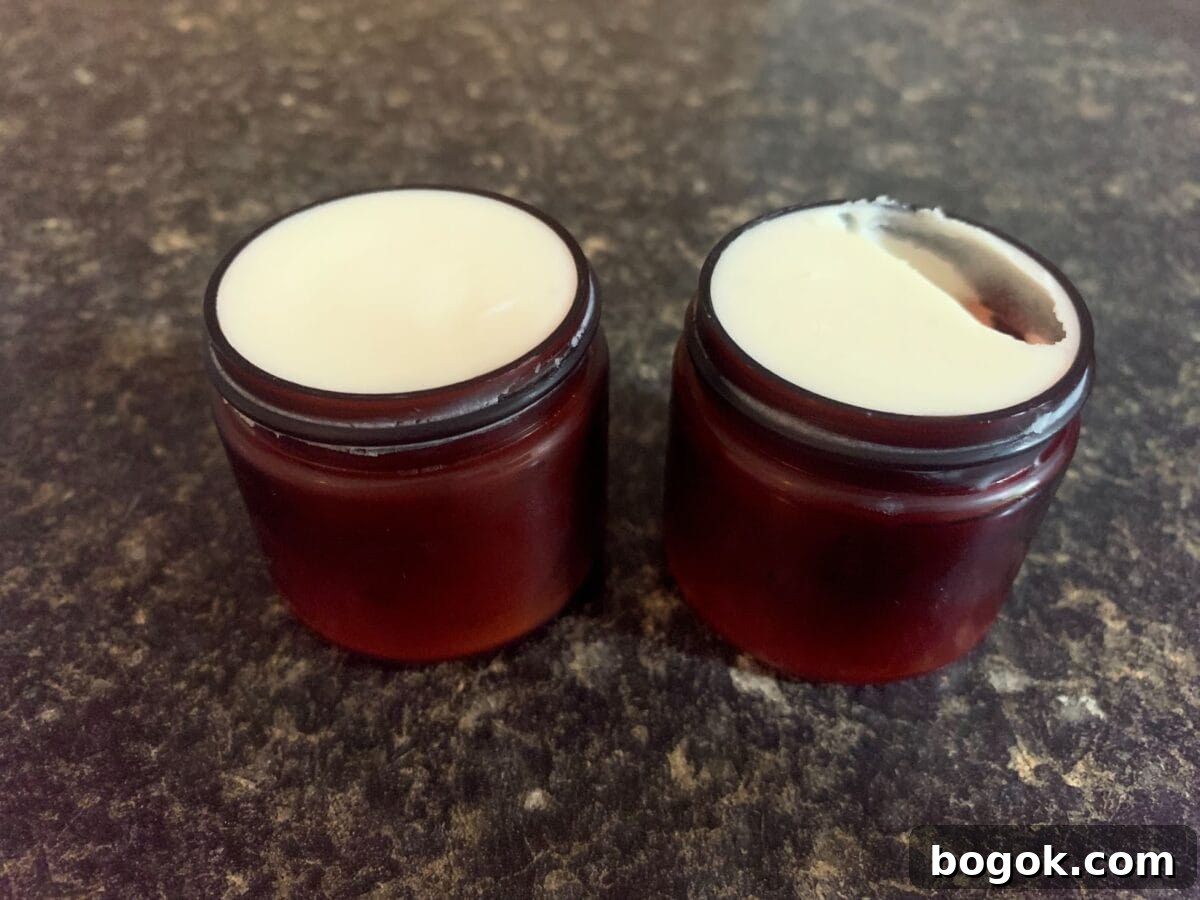
Cacao butter is rich in fatty acids and antioxidants, making it a nourishing choice for skin. This whipped recipe creates a light, creamy texture—ideal for summer if kept cool, and pleasantly hydrating.
Ingredients
- ¼ cup cacao butter
- ¼ cup virgin coconut oil
- ¼ cup sweet almond oil
- 3–5 drops lavender or preferred essential oil
Directions
- Melt cacao butter in a double boiler. Add coconut oil and sweet almond oil, stir to combine, then remove from heat and let cool until it begins to solidify (about an hour in the fridge).
- When the mixture turns whitish and semi-solid, add essential oil and whip with a hand mixer until fluffy. If your environment is hot, the whipped texture may soften; store in a cool place or refrigerate to maintain texture.
- Transfer to jars and keep in a cool spot for best texture and longevity.
This lotion absorbs quickly and leaves skin glowing. On very hot days you can skip whipping and use the melted blend as a lighter oil-based lotion in a pump bottle.
3. Calendula Body Lotion
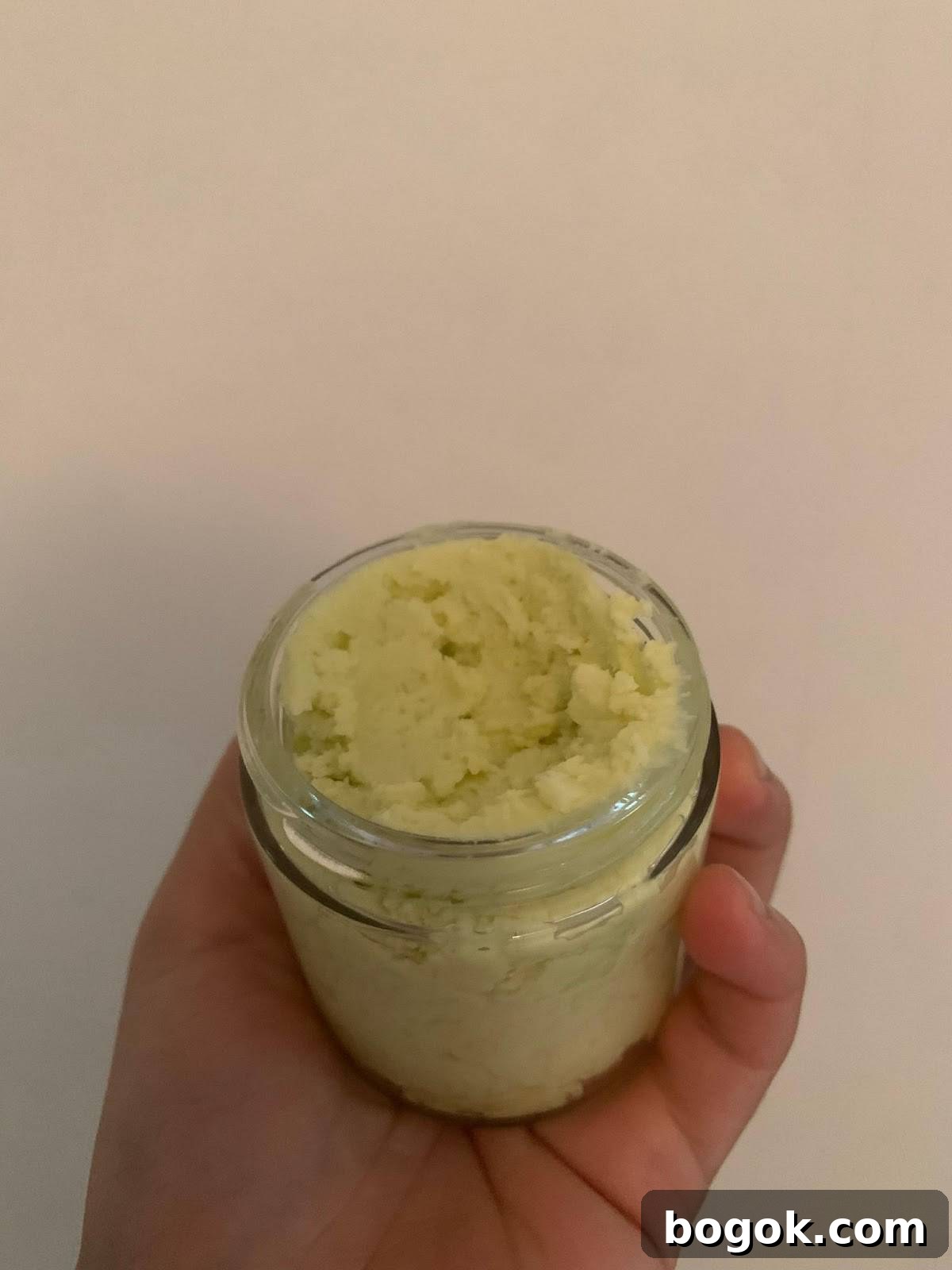
This recipe uses a calendula-infused oil for extra skin-soothing benefits. Calendula is gentle and known for anti-inflammatory and antimicrobial properties, making it excellent for nourishing dry or irritated skin. The process takes longer because of the infusion step, but the final lotion is deeply nourishing.
Ingredients and tools
- 30 g (1 oz) beeswax
- 6 tablespoons calendula-infused oil
- 4 tablespoons strong calendula tea (cooled)
- 3–5 drops rosemary essential oil
- Bowl and whisk
To make the infused oil
- Carrier oil (olive, coconut, sweet almond, or jojoba)
- Dried calendula flowers
- Cheesecloth for straining
Directions
- Place dried calendula in a jar, cover with oil by about an inch, and remove air pockets. Heat the jar in a double boiler for 40–60 minutes, stirring occasionally to infuse.
- After infusion, let cool slightly and strain through cheesecloth, squeezing the petals to extract all oil.
- Prepare calendula tea by steeping a tablespoon of dried calendula in hot water for 10 minutes; cool and set aside.
- Melt the beeswax in a double boiler, add the infused oil and stir. Remove from heat, then whisk in the cooled calendula tea slowly and vigorously to form an emulsion and a thicker lotion texture.
- Add rosemary essential oil, mix, and transfer to containers. Stored properly, this lotion can last about six months; adding a natural preservative can extend shelf life.
This formula is richer and ideal for nourishing very dry skin or for use in colder months. Leftover calendula oil is also lovely for dry-brushing before showering.
Common Toxic Ingredients In Store-Bought Body Lotion
One big reason to make your own lotion is control: many commercial products contain ingredients linked to allergies, hormone disruption, or other health concerns. Here are several categories to watch for on labels:
Artificial fragrances
“Fragrance” can mask dozens or hundreds of chemical ingredients, including phthalates, which are known endocrine disruptors and can trigger allergic reactions. Lack of transparency around fragrance blends makes them a frequent source of sensitivity.
Formaldehyde and formaldehyde-releasers
Some preservatives release formaldehyde over time. Look out for ingredients such as quaternium-15, DMDM hydantoin, imidazolidinyl urea, and diazolidinyl urea. Formaldehyde exposure is associated with irritation, allergic reactions, and other health risks.
Parabens
Parabens (methylparaben, propylparaben, butylparaben, ethylparaben) are widely used as preservatives but are also considered endocrine disruptors. Many people prefer to avoid them when possible.
Isothiazolinone preservatives
Methylisothiazolinone (MIT) and related isothiazolinones can cause allergic reactions and irritation. They appear in some “clean” or baby products, so it’s important to read labels carefully.
PFAS or “forever chemicals”
Certain anti-aging or specialty creams can contain intentionally added PFAS (polyfluoroalkyl substances) listed under names containing “fluoro.” These persistent chemicals have been linked to cancer and reproductive and immune system effects.
Making your own lotion gives you control over ingredients and helps you avoid these problematic additives.
Body lotion is a great place to begin with DIY skincare—skin on the body is less sensitive than the face, and you can start with very simple recipes. Swapping out commercial lotions for homemade versions reduces your exposure to hidden or questionable chemicals that can be absorbed through the skin.
If you enjoyed this guide and want more non-toxic tips and simple DIY recipes, consider subscribing to a trusted newsletter or following reliable sources for updates and product recommendations.