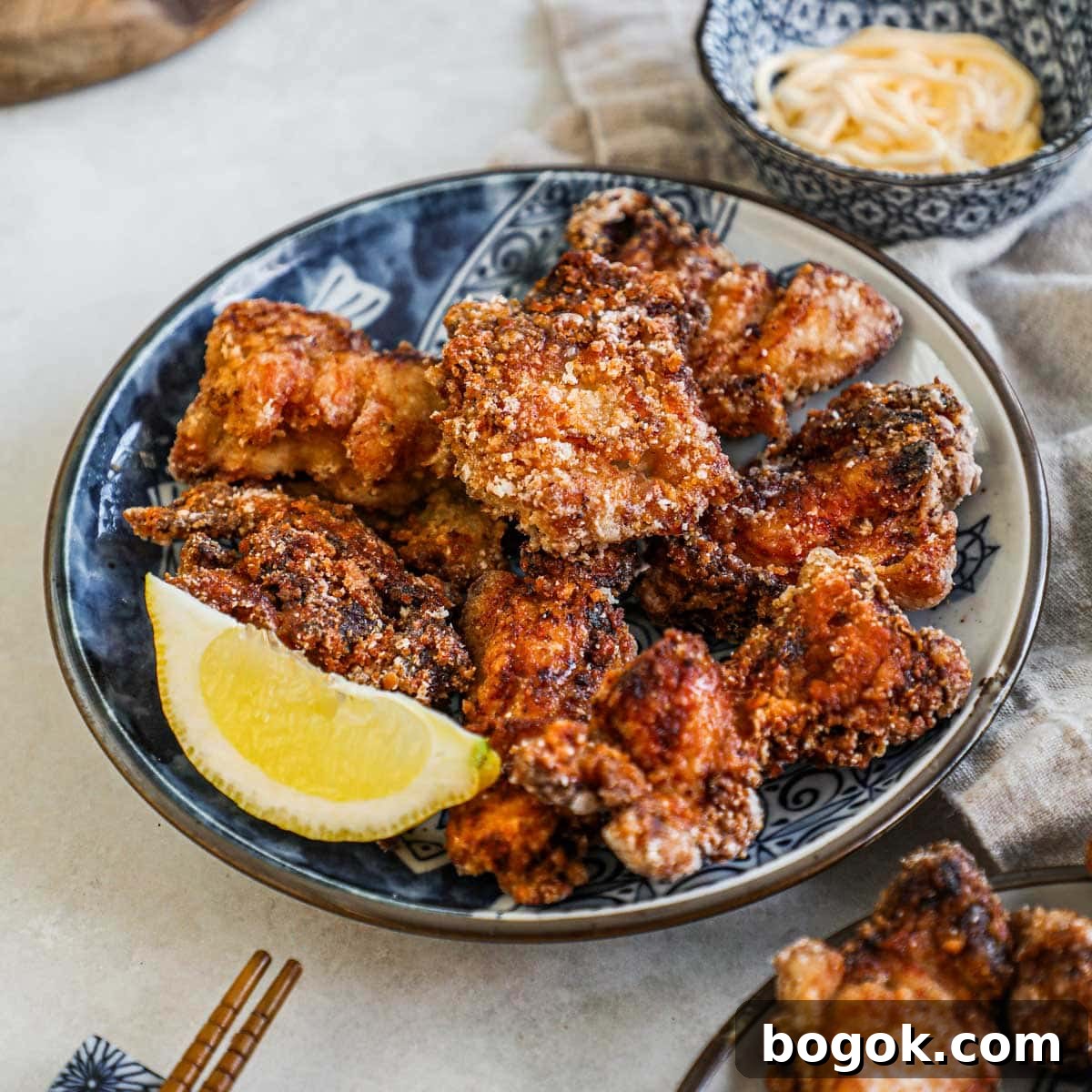
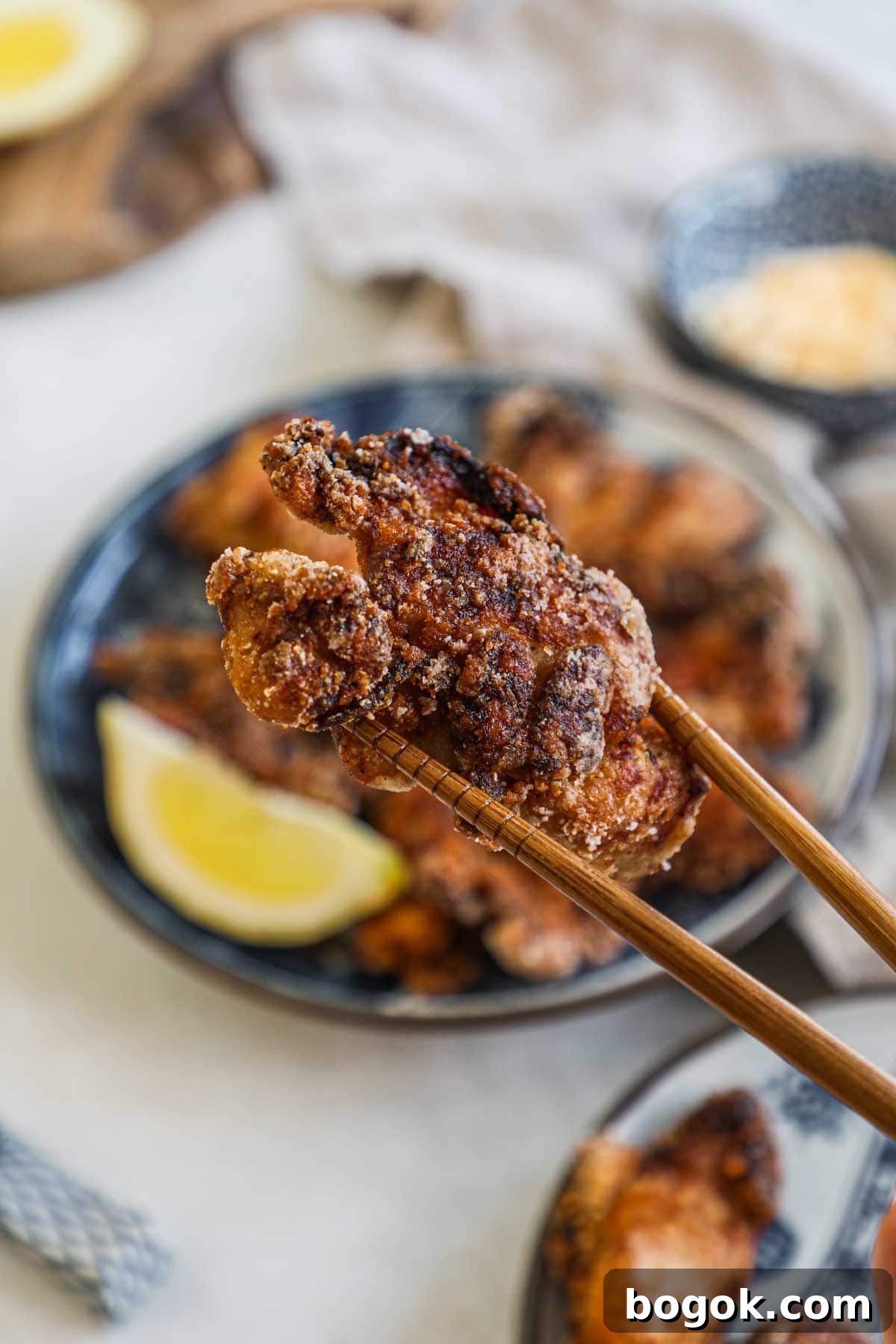
Karaage Chicken is crispy, succulent Japanese fried chicken that works equally well as an appetizer or a main dish. The key is a short umami-forward marinade, a light starch coating, and hot oil for frying—simple steps that yield restaurant-quality results at home.
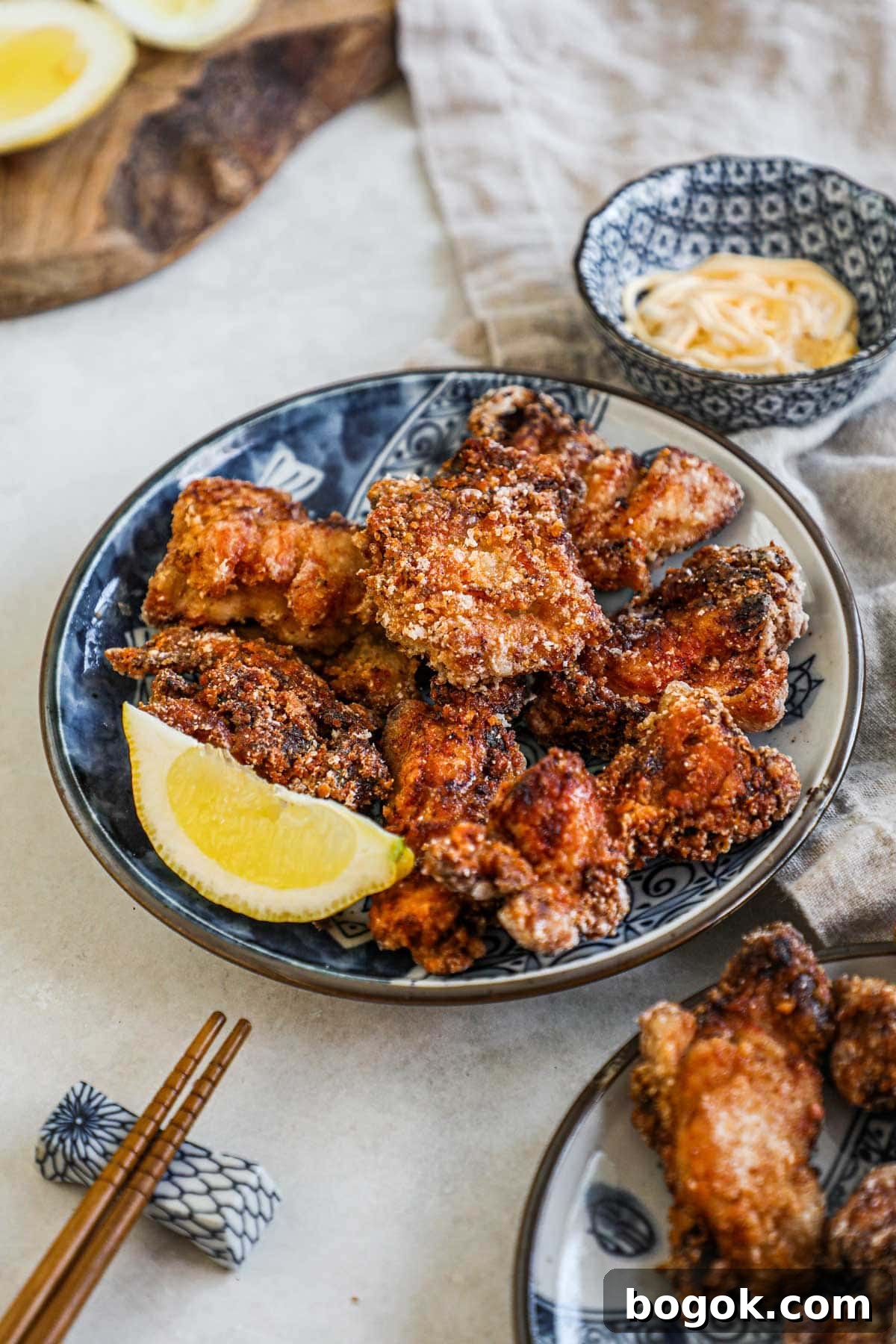
When dining out, karaage is often served with lemon wedges and Kewpie mayo for dipping. The bright acidity of the lemon and the creamy mayo complement the savory, slightly sweet marinade, and the dish is naturally gluten-free when made with starch instead of wheat flour.
This recipe is one we’ve refined to be easy and reliable: marinate the chicken briefly, dredge in starch, and fry until golden. Serve it in a rice bowl, bento, or inside a sandwich for a delicious twist.
What is Karaage Chicken?
Karaage refers to bite-sized pieces of chicken that are marinated, coated in potato or corn starch, and deep-fried. The marinade—typically a balance of sake, soy sauce, and mirin with ginger and garlic—imbues the chicken with savory, lightly sweet, and aromatic flavors before frying.
About Karaage Chicken
- Taste – Rich, savory, and satisfying with a touch of sweetness from the mirin.
- Texture – A crisp, delicate exterior from the starch coating with juicy, tender meat inside.
- Effort – Straightforward: mix the marinade, marinate the chicken, dredge, and fry.
- Time – About 30 minutes to prepare and marinate, plus roughly 15 minutes to fry.
Ingredients
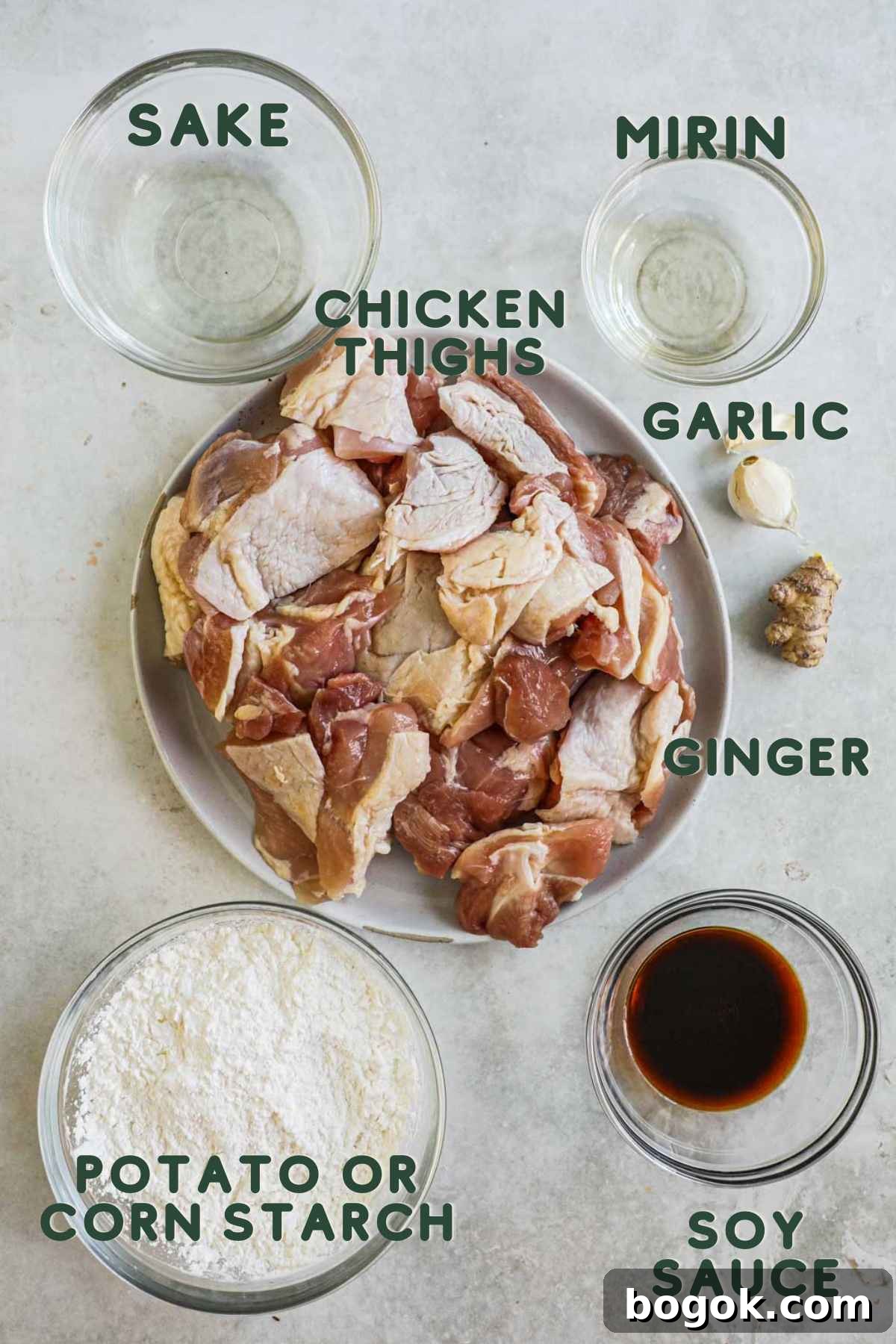
- Chicken – Boneless, skin-on chicken thighs are preferred for their flavor and juiciness. Have the butcher remove the bone if needed.
- Corn starch – Creates a light, ultra-crispy coating. Potato starch can be used as an alternative.
- Oil for frying – Use a neutral oil with a high smoke point such as grapeseed, avocado, or canola oil.
- Soy sauce – Adds savory umami depth to the marinade.
- Mirin – A sweet rice wine that adds a gentle sweetness and gloss to the marinade.
- Ginger – Fresh grated ginger brings bright, warming spice.
- Garlic – Grated or minced garlic adds aromatic savory flavor.
See the recipe card below for exact quantities.
Substitutions and Variations
- Starch – Use potato starch instead of corn starch for an equally crisp finish.
- Spice – Add freshly cracked black pepper or togarashi for a subtle heat and complexity.
- Sauces – Drizzle hot honey, tonkatsu sauce, or serve with spicy mayo for different flavor profiles.
- Serving ideas – Make sliders, add to a donburi (rice bowl), or pack into bentos for a portable meal.
Instructions
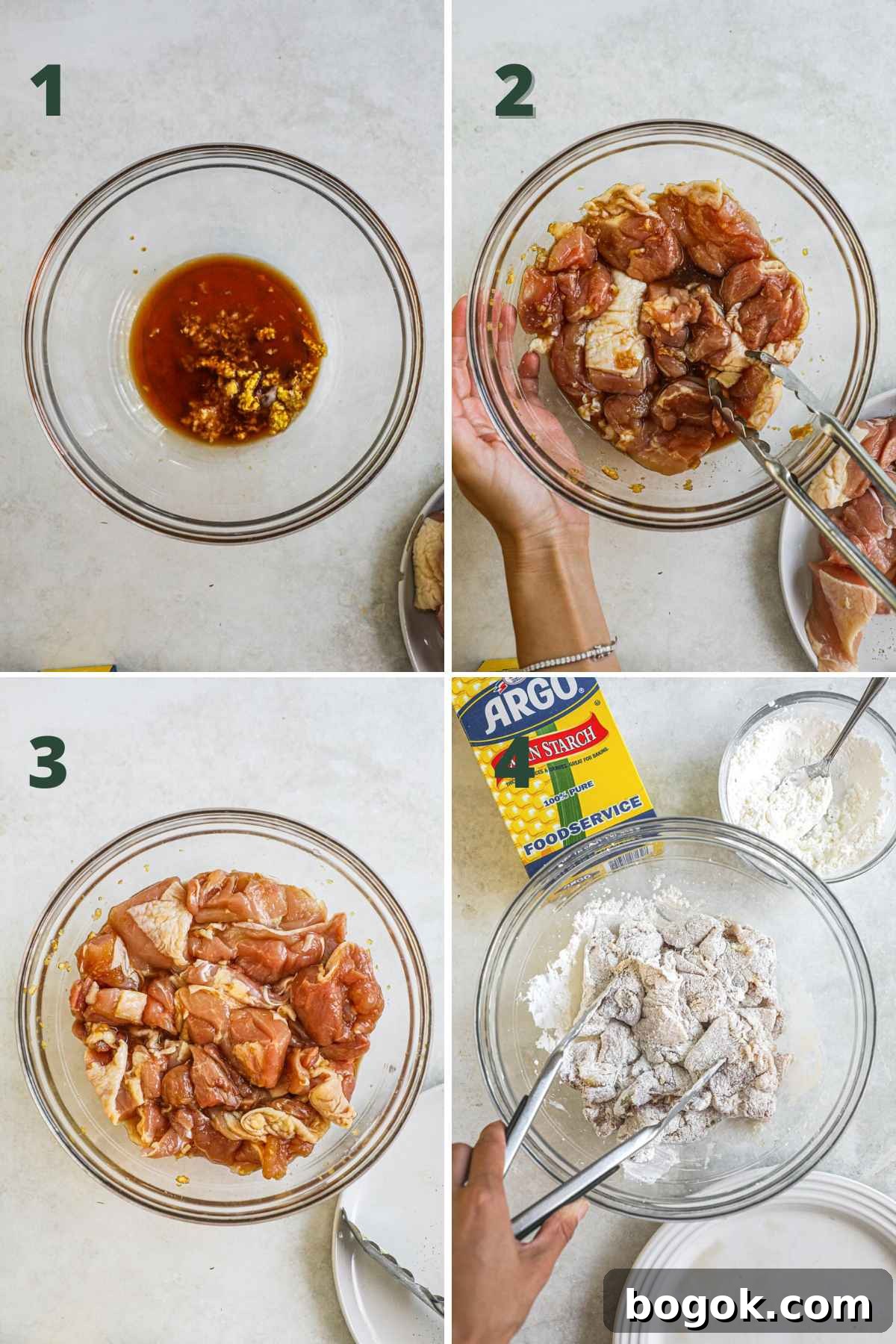
- Prepare the marinade – Whisk together sake, soy sauce, mirin, grated ginger, and grated garlic in a large bowl.
- Cut and marinate the chicken – Slice the thighs on a diagonal into large bite-sized pieces, pat dry, then toss in the marinade until fully coated. Refrigerate for at least 30 minutes to allow flavor to penetrate.
- Coat the chicken – Drain excess marinade and pat the chicken dry with paper towels. Dredge each piece thoroughly in corn or potato starch so every surface is covered.
- Fry – Heat oil to 340–360°F (170–180°C). Fry chicken in batches, 2–3 minutes per side, until golden and the internal temperature reaches 165°F (74°C). Avoid overcrowding to keep the oil temperature steady.
- Drain and serve – Use a slotted spoon to transfer cooked pieces to a paper towel-lined plate. Serve hot with lemon wedges and a creamy mayo-based dip.
Pro tip: Dab the chicken with paper towels before dredging so the starch adheres well and yields maximum crunch.
How to Eat Karaage Chicken
Karaage is versatile: serve it as a party appetizer, part of a weeknight dinner with rice and side dishes, or tucked into sandwiches and sliders. Common accompaniments include lemon wedges, Kewpie mayo or spicy mayo, pickled vegetables, and simple Japanese sides like miso-glazed eggplant or shishito peppers.
Storage
Store leftovers in an airtight container in the refrigerator for up to 3 days. To reheat while preserving crispiness, arrange the pieces on a baking sheet and heat in a 350°F oven for 5–10 minutes or until warmed through.
Cooking Tips
- Ensure every piece is fully coated in starch — full coverage delivers the crispiest crust.
- Confirm the oil is hot (around 350°F) before adding chicken. If using a wooden spoon or chopstick, bubbling around it indicates the oil is ready.
- Fry in batches and avoid overcrowding the pan to keep the oil temperature consistent.
- Rest fried pieces on a paper towel-lined plate with space between pieces to prevent sogginess.
- Skim out any burnt bits between batches to maintain clean oil and even frying.
Recipes FAQs
Karaage is marinated before frying and coated with potato or corn starch instead of flour or batter, which creates a distinct texture and flavor.
Boneless, skin-on chicken thighs are commonly used because they stay juicy and are very flavorful when fried.
Kewpie mayo, spicy mayo, and tonkatsu sauce are all excellent choices to complement the fried chicken.
Insufficient oil temperature or excess moisture on the chicken before coating can prevent crispiness. Make sure the oil reaches at least 340°F and pat the chicken dry before dredging.
Reheat in a 350°F oven on a baking sheet until warm to preserve the crust.
Related Recipes
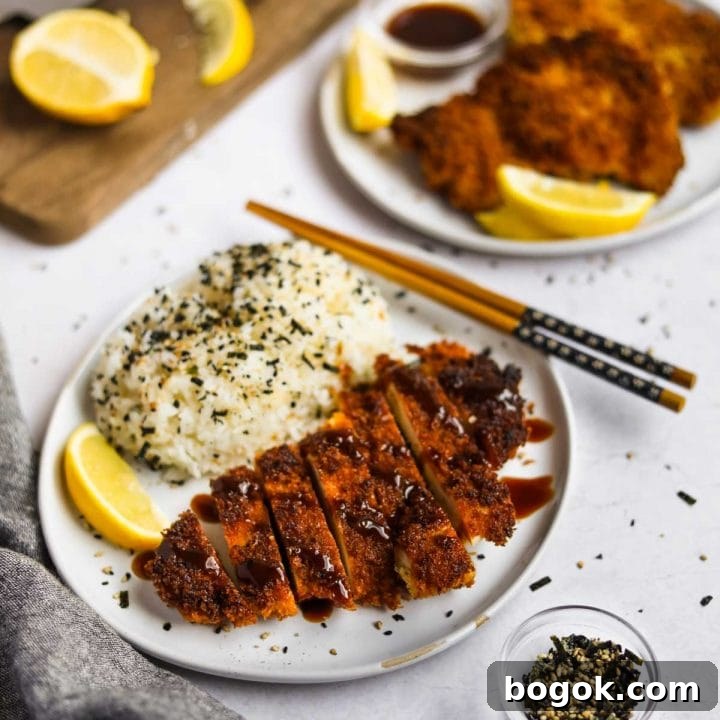
 Chicken Katsu (Japanese Chicken Cutlet)
-
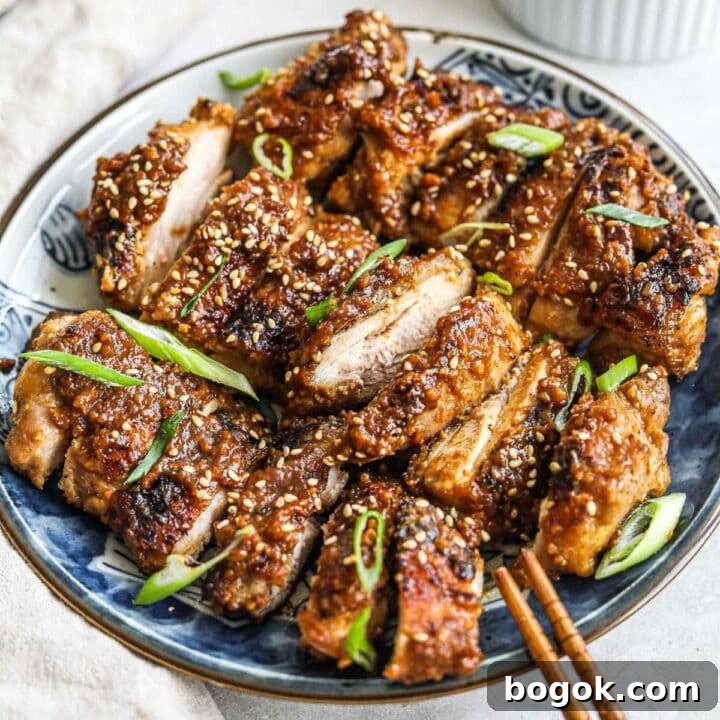
Miso Jidori Chicken Thighs
-
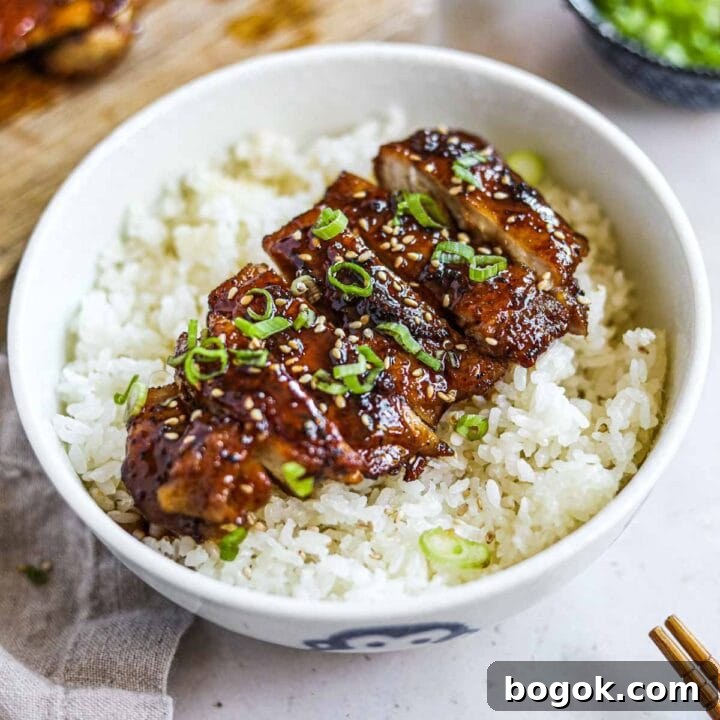
Teriyaki Chicken Bowl (Donburi)
-
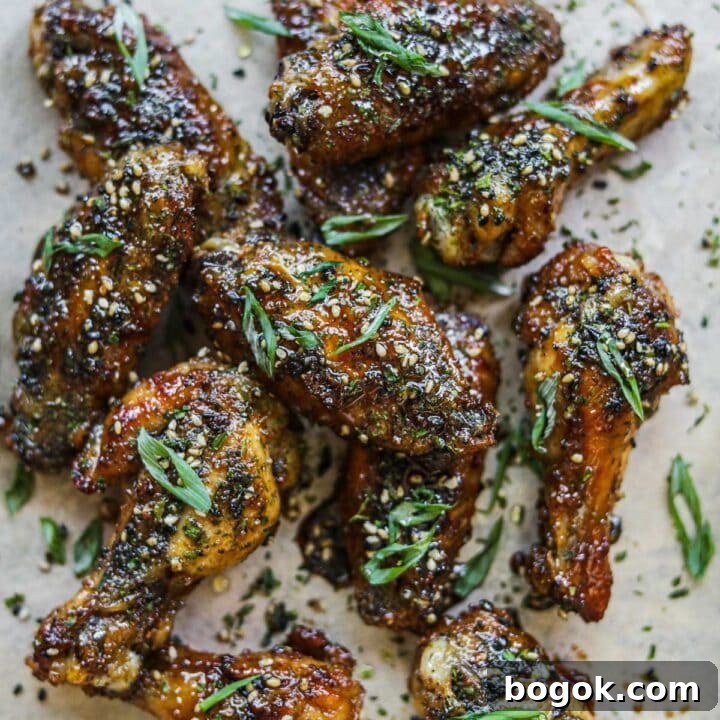
Furikake Teriyaki Chicken Wings
Did You Like This Recipe?
If you enjoyed this easy karaage recipe, please rate it and explore other simple Japanese recipes. Tag your creations with the relevant hashtag to share your results.
📖 Recipe

Karaage Chicken (Japanese Fried Chicken)
Ingredients
- 2 lbs boneless, skin-on chicken thighs
- 2 tbsp Japanese cooking sake
- 1 tbsp soy sauce
- 1 tbsp mirin
- 1-inch knob grated ginger
- 2 cloves garlic, minced or grated
- 1 cup corn starch (or potato starch)
- Oil for frying
- Lemon wedges for serving
Instructions
- Prepare chicken: Whisk sake, soy sauce, mirin, grated ginger, and garlic in a large bowl. Cut chicken into large bite-sized pieces, pat dry, and toss in the marinade. Refrigerate for at least 30 minutes.
- Coat and cook: Drain excess marinade and pat the chicken dry. Thoroughly coat each piece with corn starch. Heat oil to 340–360°F and fry in batches until golden and cooked through, about 2–3 minutes per side. Transfer to a paper towel-lined plate to drain.
- Serve: Serve hot with lemon wedges and a mayo-based dip if desired.
Notes
Storage: Refrigerate leftovers in an airtight container for up to 3 days. Reheat in a 350°F oven on a baking sheet until warmed through.
Cooking Tips
- Pat chicken dry to help the starch stick and ensure crispiness.
- Fully coat each piece in starch for an even, crunchy crust.
- Maintain oil temperature and avoid overcrowding the pan.
- Let fried pieces rest on a paper towel-lined plate with space between them to prevent sogginess.
Nutrition (per serving)
Calories: 631 kcal | Carbs: 33 g | Protein: 38 g | Fat: 38 g