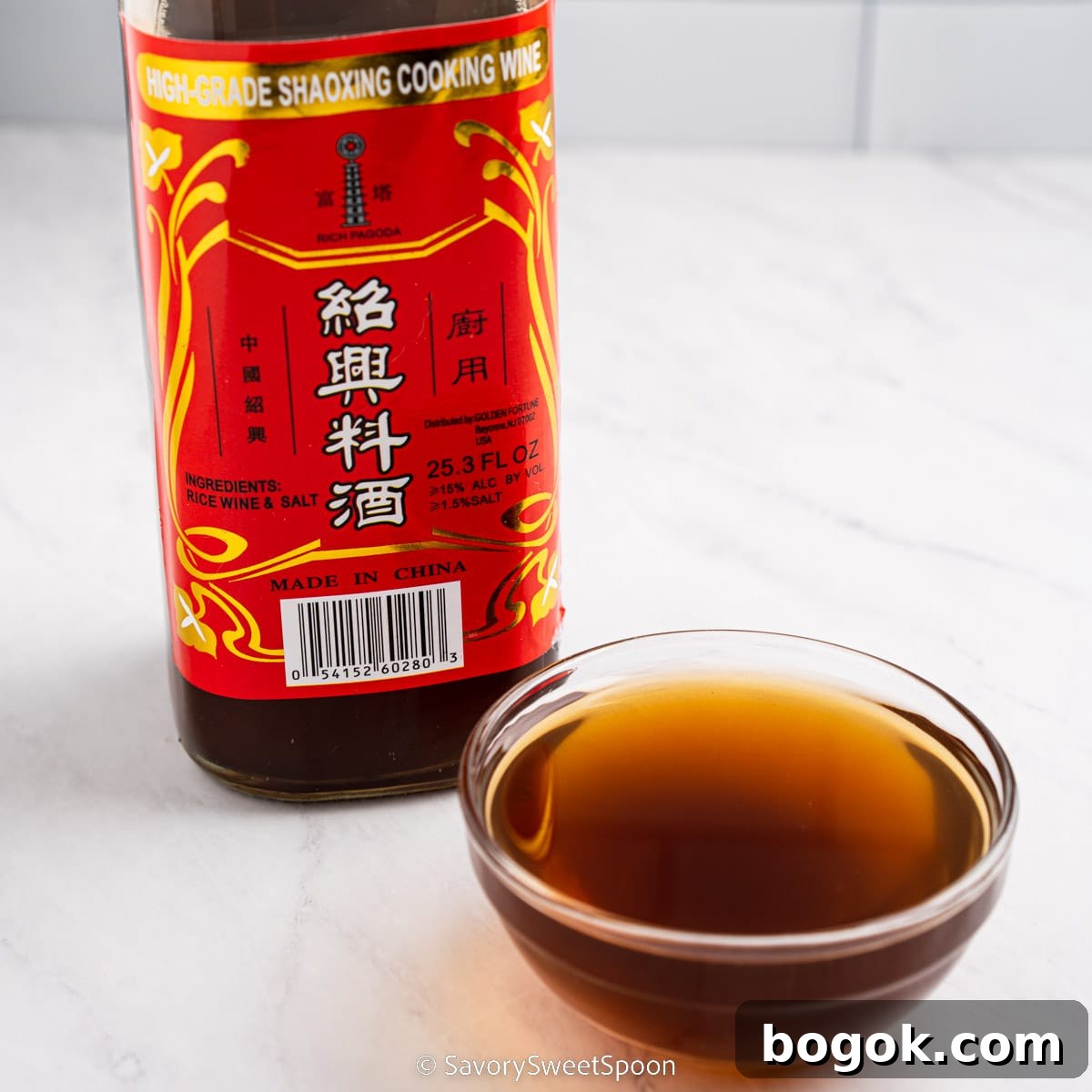
We’ve all been there—halfway through a stir-fry when you discover you’re out of Shaoxing wine, or you’ve never bought it and aren’t sure it’s worth a trip to the store. Don’t worry. Whether you want that restaurant-style depth or a quick pantry swap, this guide explains the best substitutes for Shaoxing wine and when to use them.
From dry sherry and mirin to non-alcoholic options like broth or apple juice, you have several reliable alternatives. Some substitutes are better for quick sauces and stir-fries, others work in braises or marinades, and a few are suitable when you need an alcohol-free option.
What is Shaoxing Wine?
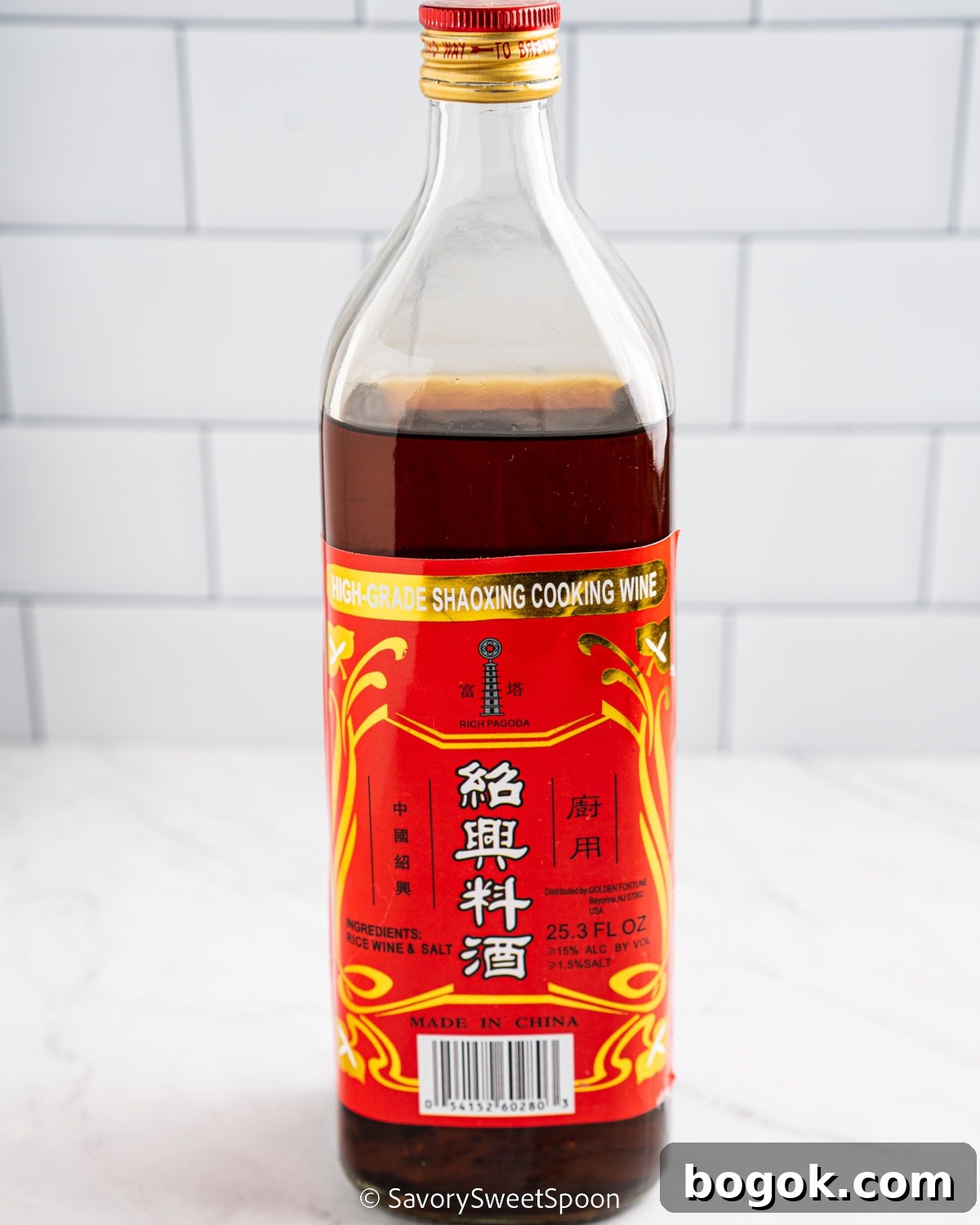
Shaoxing wine (also spelled Shao Hsing) is a traditional Chinese rice wine used mainly for cooking. Named for Shaoxing, a city in China’s Zhejiang province, it has been produced there for centuries. You’ll find it listed in recipes for dishes like soy-braised chicken, Chinese BBQ pork, dumpling fillings, and many stir-fries.
This wine is intended for culinary use rather than drinking. Compared with other rice wines, Shaoxing wine has a deeper, more complex flavor that enhances umami in savory dishes.
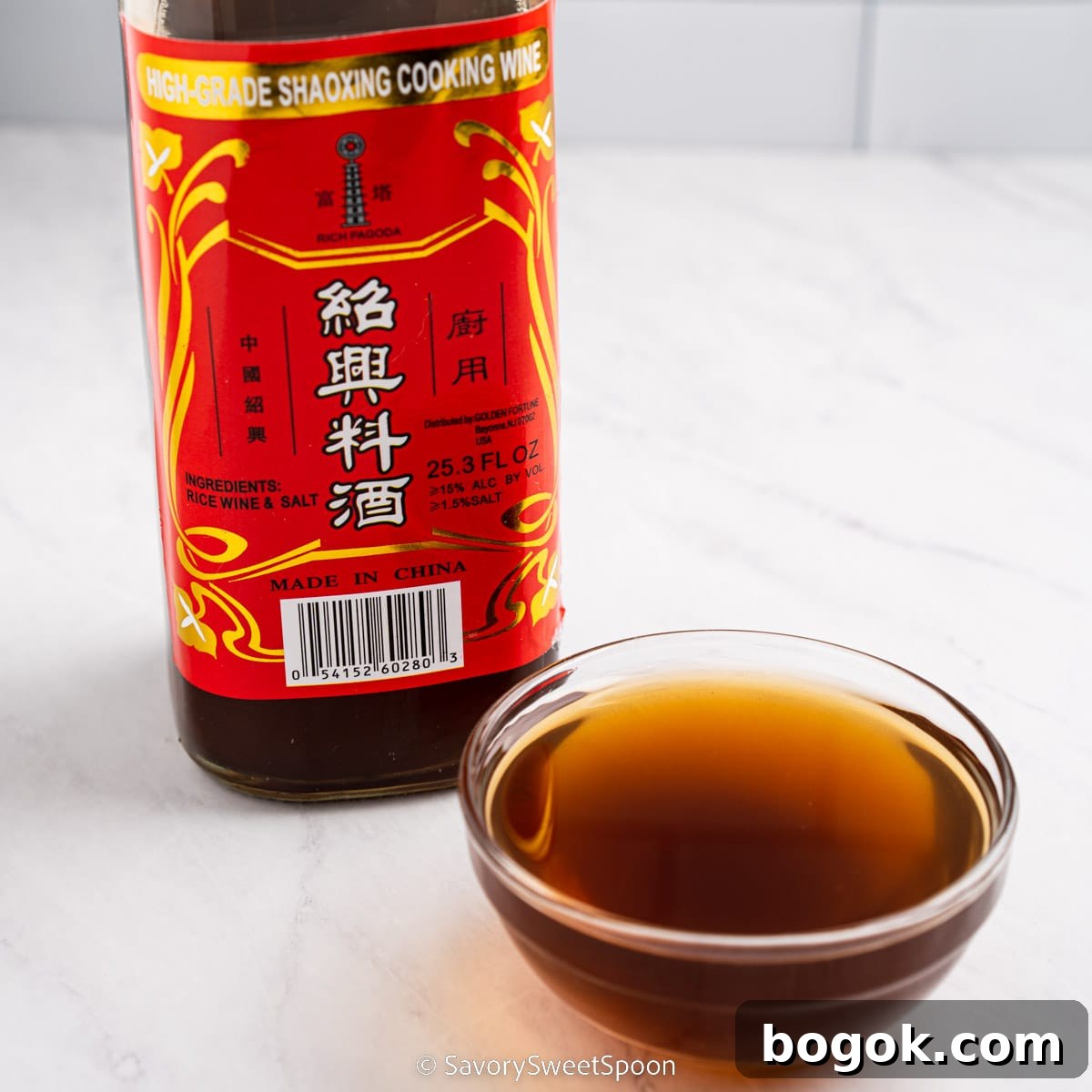
What does Shaoxing Wine Taste Like?
Shaoxing wine offers a rich, slightly nutty profile with subtle sweetness and a touch of sharpness. It sits somewhere between dry sherry and sake but brings a stronger umami character and mild acidity that helps balance and deepen flavors in savory recipes.
That layered taste makes Shaoxing wine valuable in marinades, sauces, and braises: it can tenderize meat, round out salty or sweet elements, and add richness to a dish.
Best Substitutes for Shaoxing Wine
1. Dry Sherry
Dry sherry is the closest match in flavor and complexity. Use a dry (not cream) sherry as a 1:1 substitute. It’s widely available and my top choice when Shaoxing is not on hand.
2. Mirin
Mirin is a sweet Japanese rice wine that works well, especially when a touch of sweetness is welcome. Because mirin is sweeter than Shaoxing, reduce any added sugar in the recipe slightly when using it.
3. Rice Vinegar (plus a pinch of sugar)
Rice vinegar is more acidic than Shaoxing, but mixed with a pinch of sugar (about ½ teaspoon per tablespoon of vinegar) it makes a decent emergency substitute for stir-fries and quick sauces. It’s less suitable for long braising.
4. Sake
Sake is milder and fruitier but can be used 1:1 in most recipes. To better emulate Shaoxing’s depth, add a splash of soy sauce or a small dash of sugar.
5. White Wine
Dry white wine (such as Sauvignon Blanc) can stand in for Shaoxing in marinades and sauces. It’s not traditional, so consider adding a touch of sugar or soy sauce to improve the balance.
6. Apple Juice (for Non-Alcoholic Option)
Apple juice is a good alcohol-free option that contributes sweetness and mild acidity, keeping flavors bright and kid-friendly. It won’t provide the same depth but works well in quick dishes and sauces.
7. Vegetable or Chicken Broth
Broth is another practical non-alcoholic substitute, especially for soups and braises. It won’t mimic the wine’s flavor but supplies savory body and umami—add a splash of soy sauce for additional depth if needed.
FAQ About Shaoxing Wine
You can, but the final flavor will differ—especially in Chinese dishes that rely on its depth. It’s usually better to use one of the substitutes above rather than omitting it completely.
No. Rice wine vinegar is much more acidic and sour. Shaoxing is a fermented rice wine, not a vinegar. Still, rice vinegar with a bit of sugar can work in a pinch.
Shaoxing wine is commonly available at Asian grocery stores and from many online retailers. Look for labels that say “Shaoxing wine” or “Shaoxing cooking wine,” and if possible choose versions without added salt for better flavor.
Yes, but cooking sherry often contains added salt. If you use it, taste and adjust the dish’s seasoning accordingly. A regular dry sherry is preferable when available.
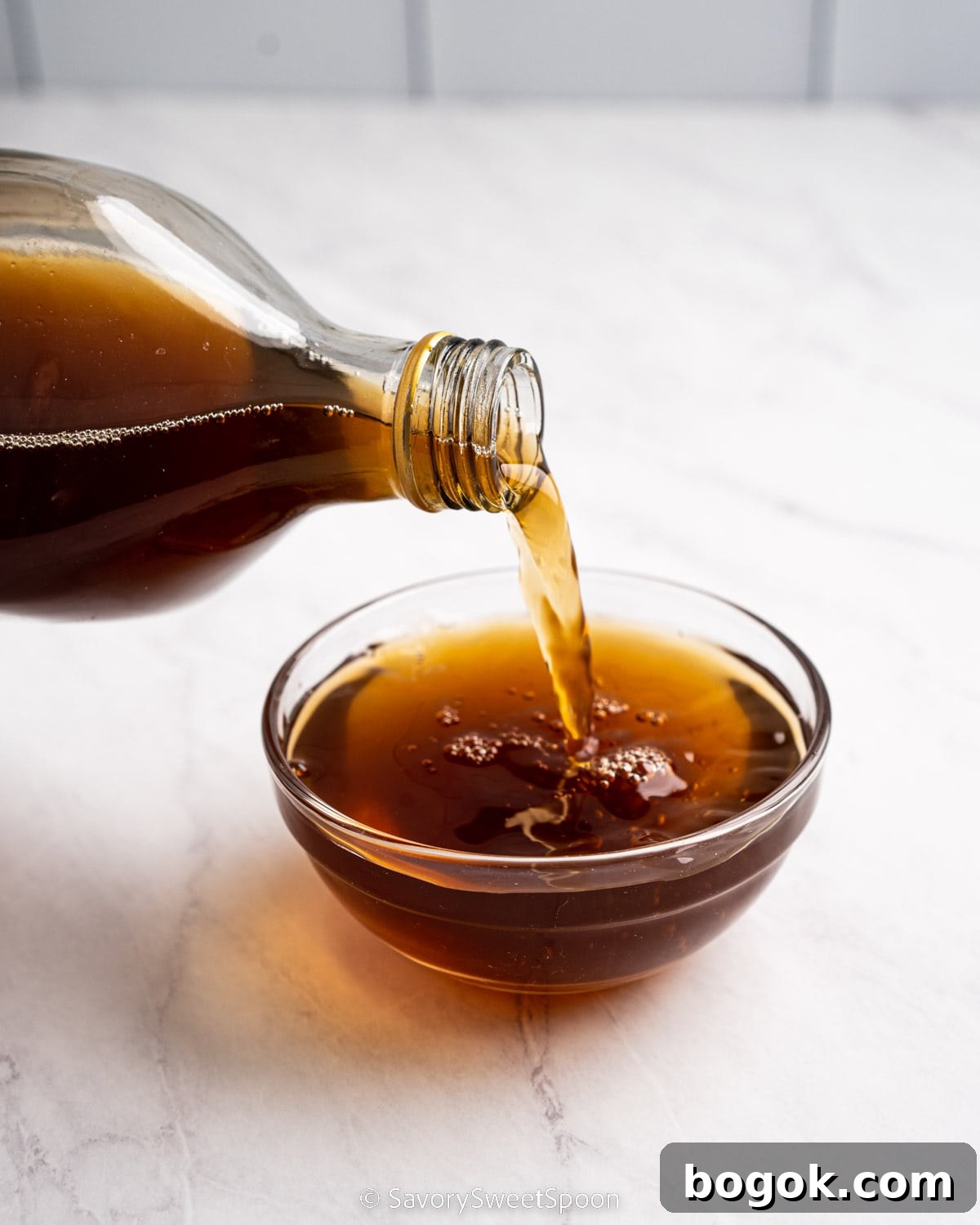
Once opened, Shaoxing wine will keep for several months when tightly sealed and stored in a cool pantry or the refrigerator.