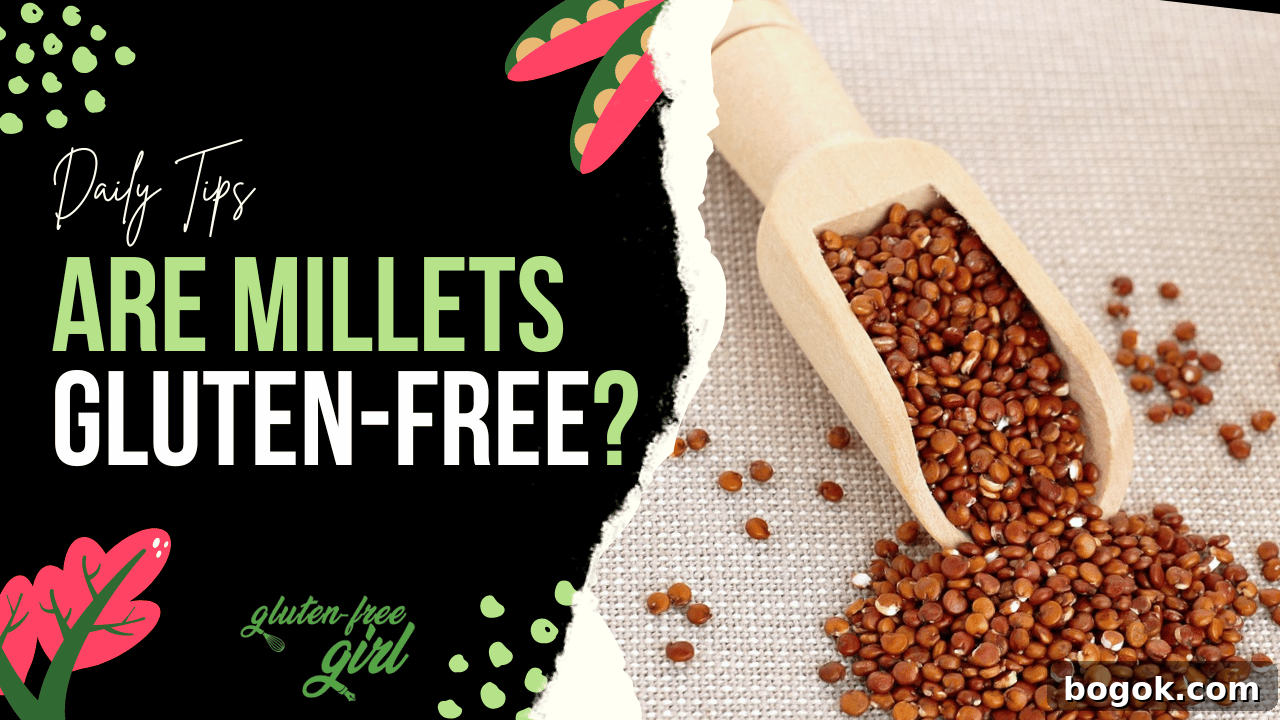
Yes, millets are gluten-free. Millets are small-seeded grains cultivated for thousands of years and have been a staple in many cultures. Because millets lack the gluten proteins found in wheat, barley, and rye, they are suitable for people with celiac disease or non-celiac gluten sensitivity. Gluten is the protein complex that triggers harmful immune reactions in those with celiac disease and can cause symptoms in people with other forms of gluten intolerance.
Numerous studies and protein analyses confirm that millets do not contain the gluten proteins responsible for celiac reactions. For people who must follow a strict gluten-free diet, millet is a safe, nutritious grain choice. A gluten-free diet is essential for those with celiac disease—an autoimmune condition in which gluten damages the lining of the small intestine and affects overall health.
Experts in celiac disease, including clinicians and researchers, emphasize that celiac disease is an autoimmune disorder. When someone with celiac disease ingests gluten, their immune system attacks the small intestine’s lining, which can cause malabsorption and systemic symptoms. Using naturally gluten-free grains such as millet can help maintain variety and nutrition while avoiding these harmful effects.
Beyond being gluten-free, millets offer notable nutritional benefits. They are rich in vitamins, minerals, and dietary fiber and provide complex carbohydrates that support steady energy. Millets also contain antioxidants and nutrients associated with reduced inflammation, contributing to overall health. For people avoiding gluten—whether for medical reasons or personal choice—millet is a nutrient-dense alternative to common gluten-containing grains.
Millet also fits into many popular eating patterns that avoid modern processed grains. For example, some variations of Paleo-style eating favor whole, unprocessed grains or pseudo-grains; while strict Paleo often excludes all grains, many people who follow a Paleo-inspired or whole-foods approach choose gluten-free grains like millet to add diversity and nutrition to their diets.
Can a Patient with Celiac Eat Millet?
Yes. People with celiac disease can safely consume millet, provided it has not been contaminated with gluten during processing, storage, or preparation. Since gluten is present in wheat, barley, and rye, avoiding those grains is essential. Trusted organizations that specialize in celiac disease advise carefully choosing and handling foods to prevent exposure to gluten. Millet’s nutrient profile—fiber, vitamins, and minerals—makes it a valuable inclusion in a balanced gluten-free diet.
How often a person with celiac eats millet depends on individual preferences and dietary needs. Millet can be used in porridges, side dishes, salads, baked goods, and more. As with any gluten-free staple, it should be stored and prepared separately from gluten-containing grains and handled with care to avoid cross-contamination.
What Gluten-free dishes can you cook with Millet?
Millet is versatile and works in many gluten-free recipes. Examples include:
- Millet Porridge: Cook millet with milk or a dairy alternative, sweeten lightly, and add spices like cinnamon or vanilla for a creamy breakfast.
- Millet Pilaf: Substitute millet for rice in pilaf, cooking it with herbs, vegetables, and optional proteins such as chicken or tofu.
- Millet Salad: Use cooled, cooked millet as a base for salads mixed with fresh vegetables, herbs, and a zesty dressing.
- Millet Patties or Veggie Burgers: Mashed millet can bind ingredients in vegetarian patties, creating hearty, gluten-free burgers.
- Millet Stir-Fry: Stir-fry cooked millet with vegetables and protein; its mild flavor absorbs sauces well.
- Millet Breakfast Bowls: Top cooked millet with yogurt, fruit, nuts, and seeds for a nourishing breakfast bowl.
- Millet Desserts: Millet flour or ground millet can be used in cakes, cookies, and muffins—often combined with other gluten-free flours for desired texture.
How to Keep Millet Gluten-free?
To ensure millet remains gluten-free, follow safe storage and preparation practices:
- Store millet in airtight containers in a cool, dry place separate from gluten-containing grains and clearly label them.
- Rinse millet under running water before cooking to remove dust and debris.
- Use cookware and utensils that are dedicated to gluten-free cooking or thoroughly cleaned before use.
- Clean countertops, cutting boards, and other surfaces to remove any gluten residue before preparing millet dishes.
- Read package labels carefully to confirm products are processed in gluten-free facilities or certified gluten-free when possible.
- Verify that spices, seasonings, and packaged ingredients do not contain hidden gluten-containing additives.
- Store millet in a separate pantry area to reduce the risk of cross-contact with wheat, barley, or rye.
Cross-contamination can occur when crumbs, residues, or shared equipment transfer gluten to otherwise safe foods. For example, using the same toaster for wheat bread and gluten-free bread or using a cutting board that recently held gluten-containing bread without cleaning it can introduce gluten to millet dishes.
Is Millet Flour Gluten Free?
Yes. Millet flour is made from gluten-free millet grains and does not contain the gluten proteins found in wheat, barley, or rye. It is suitable for people with celiac disease or gluten sensitivity and is commonly used in gluten-free baking and cooking, often combined with other gluten-free flours to achieve preferred textures.
Is Millet Bread Gluten Free?
Millet bread can be gluten-free when made solely with millet flour or a blend of certified gluten-free flours and other gluten-free ingredients. Always check ingredient lists or look for products labeled “gluten-free” to ensure no wheat, barley, or rye has been used, and confirm that cross-contamination has been avoided during production.
Is Fried Millet Gluten-free?
Fried millet is gluten-free if it is prepared from pure millet grains or millet flour and is not exposed to gluten-containing ingredients or contaminated surfaces during frying. When dining out or buying pre-made fried millet products, ask about ingredients and cooking methods to verify they are free from cross-contact.
Are Millet Drinks Gluten Free?
Millet-based beverages, such as millet milk or drinks made from millet flour, are gluten-free when made from pure millet and manufactured without gluten-containing additives or cross-contamination. Check product labels or contact manufacturers for assurance, and prefer products labeled “gluten-free” when in doubt.
How Can Cross-Contamination with Gluten Be Prevented when Preparing Millet?
Preventing cross-contamination requires consistent habits and separation of gluten-containing and gluten-free foods. Recommendations include using separate utensils, cookware, toasters, and cutting boards for gluten-free preparation; thoroughly cleaning surfaces and equipment; storing millet in sealed containers away from wheat, barley, and rye; and reading labels carefully. These steps help keep millet safe for people with celiac disease or gluten sensitivity.
Are Millet Chips Gluten-free?
Millet chips can be gluten-free if made from millet and other gluten-free ingredients and processed without cross-contamination. Always check the product label and ingredient list and look for a gluten-free claim. Product availability varies by brand and region, so verify each item before consuming.
Are Desserts made of Millet Gluten-Free?
Yes. Desserts made using millet flour or ground millet can be gluten-free when prepared with gluten-free ingredients and without cross-contact. Many gluten-free baking mixes and dessert products use millet as one of the flours. Look for clear gluten-free labeling and review ingredient lists to ensure safety.
Are Cakes made of Millet Gluten-free?
Cakes made with millet flour or a combination of certified gluten-free flours can be gluten-free. Confirm by checking the ingredient list and choosing products labeled “gluten-free,” or by preparing cakes at home using only gluten-free ingredients and dedicated equipment to avoid contamination.
Are Cereals made of Millet Gluten-free?
Cereals that list millet as a primary ingredient can be gluten-free if processed and packaged in facilities that prevent cross-contact with gluten-containing grains. Always inspect labels for a gluten-free statement and review ingredient lists to confirm suitability for celiac disease or gluten sensitivity.
Are All Starchy Grains like Millet Gluten-free?
No. Not all starchy grains are gluten-free. While millet and some other grains such as sorghum, rice, corn, and buckwheat are gluten-free, wheat, barley, and rye contain gluten. Distinguishing between gluten-free and gluten-containing grains is essential for making safe choices when managing celiac disease or gluten sensitivity.
Are Sorghum Grains Gluten Free like Millet?
Yes. Sorghum is another gluten-free grain that, like millet, can be used in baking, cooking, and as a whole grain. Sorghum is a versatile, nutritious option for gluten-free diets and is safe for people with celiac disease, gluten sensitivity, or wheat allergies when not cross-contaminated.