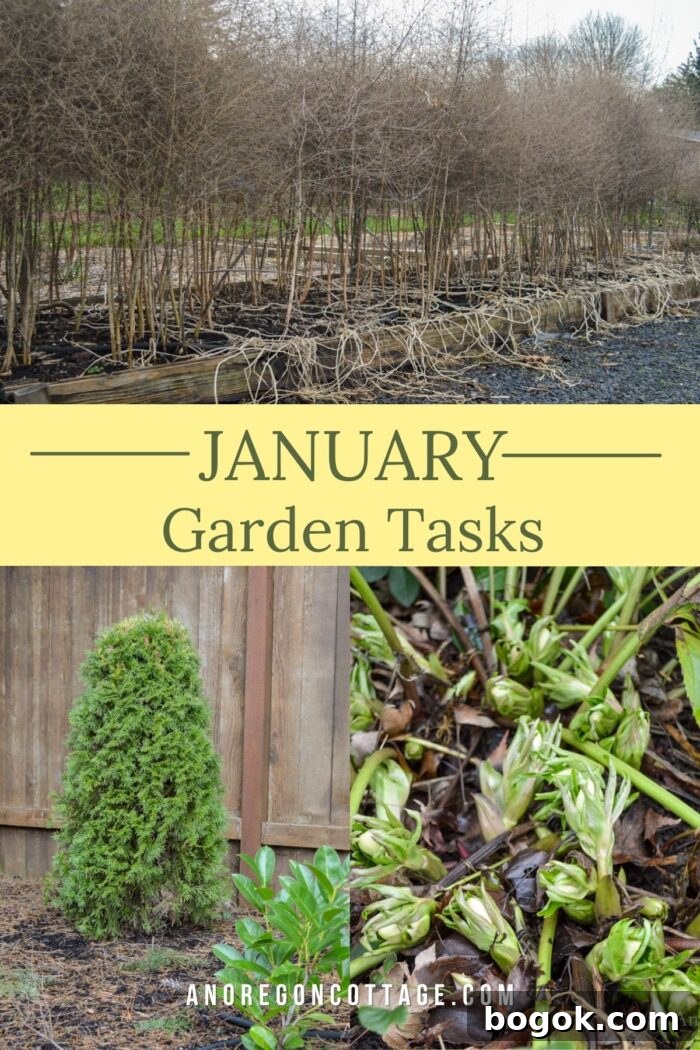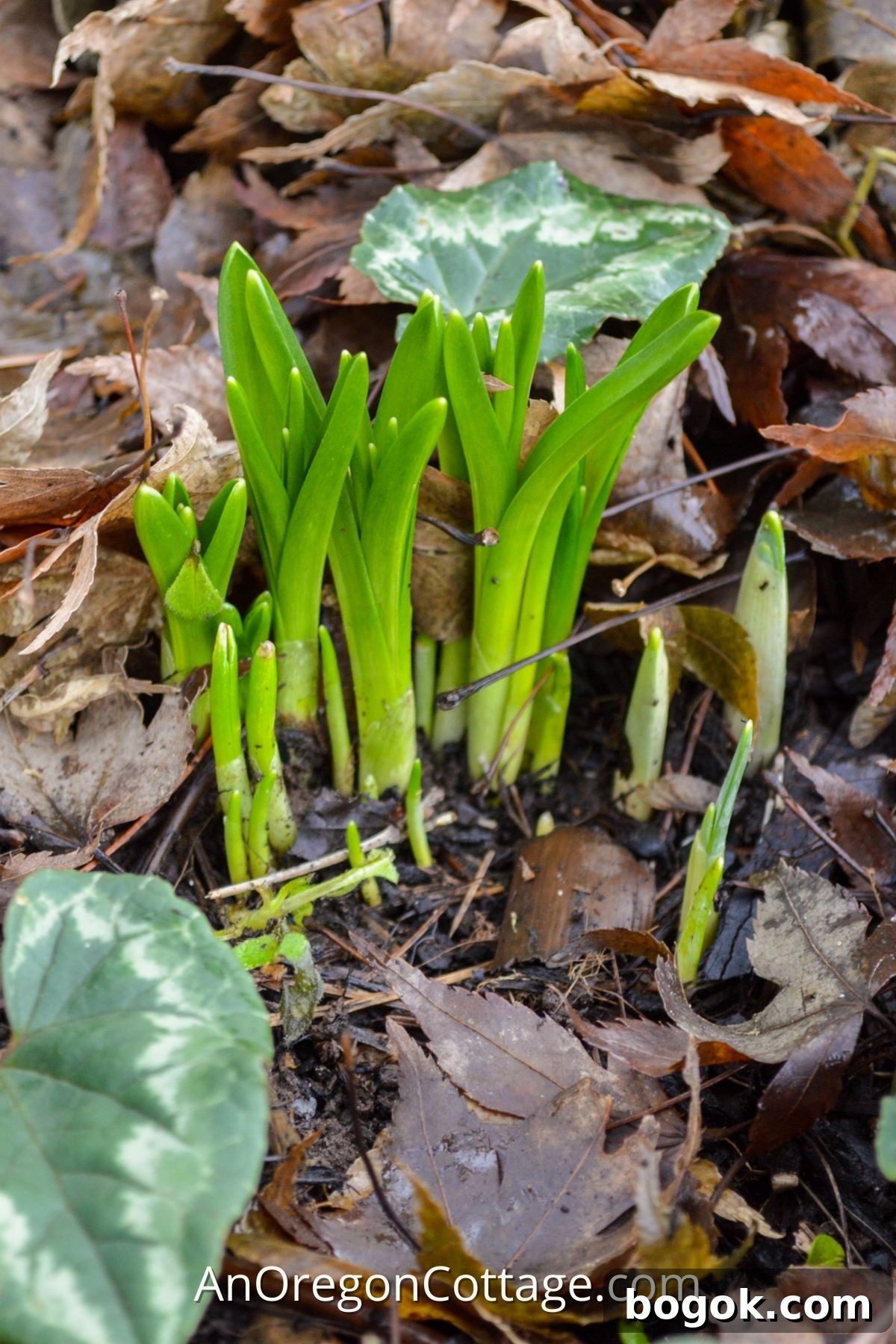
What garden tasks can you tackle in winter? Here’s a clear, practical list of January garden chores for fruits, vegetables and flowers, plus general yard tasks to help you stay organized before spring. Use this month to plan, order seeds, and prepare tools. Includes a printable checklist suggestion to download and customize.
January is an excellent month for planning. Alongside personal new-year goals, it’s a perfect time to design and refine your garden plan for the season ahead.
PRO TIP: Spending time now to decide what to grow, where to place plants, and how you’ll care for them reduces springtime stress and workload.
Dreaming about the garden is part of the fun. I start by flipping through seed catalogs and marking varieties I like, then narrow the list into a focused plan.
If you didn’t tidy or service tools in the fall, January is a good time to clean, sharpen, and organize your equipment. On mild days you can also pull persistent winter weeds and refresh mulch where needed.
Bare-root trees, shrubs, and some fruiting plants often appear for sale late in the month; if your soil is workable, planting them now is usually better and more economical than buying potted stock in spring.
Want straightforward vegetable gardening tips to keep things simple?

Between planning, ordering seeds, and prepping supplies, there’s plenty to do to set your garden up for success. Below are practical, season-appropriate chores divided by area.
January Garden Chores
Print or save a checklist for your own garden notebook to track progress.
Tip: Monthly checklists and a gardening journal help you build a reliable plan year after year.
January Garden Chores
Vegetable & Fruit Garden
- Design and draw your garden map for the coming season. Planning plant locations and rotation now saves time later.
- Inventory seeds and order varieties you need this month to reduce the chance of substitutions or sold-out items.
- Check seed-starting supplies, potting mix, and organic fertilizers; restock so you’re ready to begin indoor sowing.
- In freezing weather, add extra mulch over any remaining root crops to protect them.
- Remove yellowing leaves from winter brassicas; they do not help the plant and can hide pests or disease.
- Begin dormant pruning of fruit trees, vines and bushes while growth is halted. (Delay pruning of plum, cherry and apricot until later in warm regions to lower silver leaf risk.)
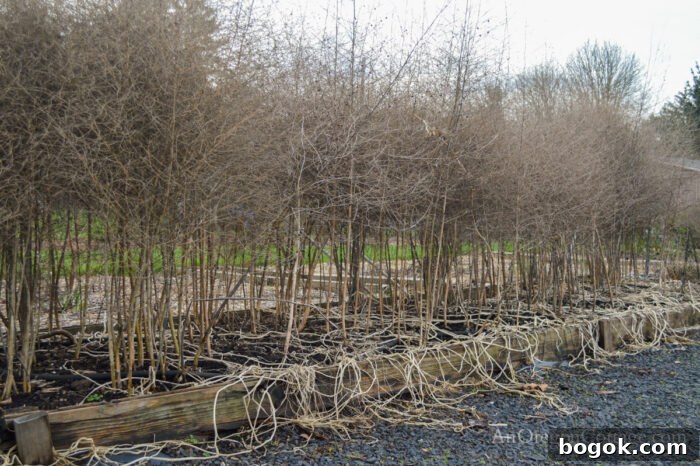
- Prune old canes from bramble fruits and maintain shrubs like blueberries, blackcurrants, gooseberries and red currants for better yields.
- Shop for bare-root asparagus crowns, strawberry plants and fruit trees to plant toward the end of the month if soil conditions allow.
- Late in the month, tidy asparagus and strawberry beds, remove weeds, top-dress, and add fresh mulch before feeding.
Flower Garden
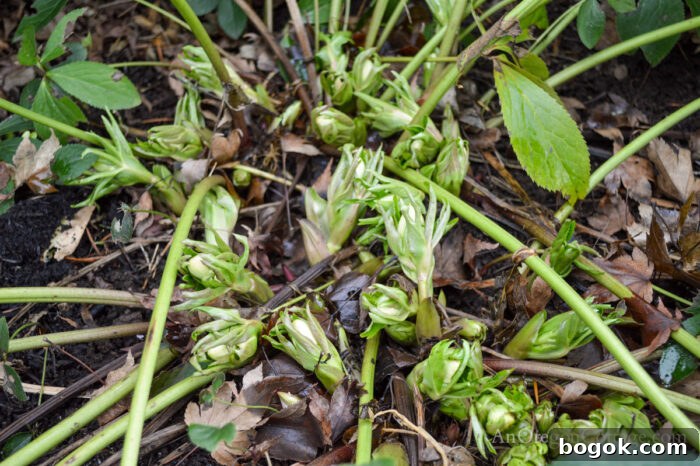
- Remove old hellebore leaves as new blooms appear to showcase flowers and reduce disease risk.
- Reposition plants that have heaved out of the soil during freeze–thaw cycles and firm soil around roots.
- Gently rake heavy snow from shrubs to prevent branch damage.
- Cut back ornamental grasses to a few inches above the ground before new growth starts.
- Trim dead stems from perennials such as sedum, yarrow and daylilies, taking care not to damage emerging shoots.
- Deadhead winter pansies to prevent them from setting seed and to encourage continuous blooms.
Seed Starting Indoors
- Check remaining seed stocks, compile a list of needed varieties, and order early to avoid substitutions.
- Start hardy annuals and perennials indoors under lights: pansies, dusty miller, begonias, snapdragons and delphiniums.
- Toward month’s end, sow onions, leeks, and brassicas (broccoli, cabbage, cauliflower) indoors under grow lights.
Seed starting resources and step-by-step guides make indoor sowing easier and more successful.
Other January Garden Chores
- Inspect tools and irrigation parts—soaker hoses, drip tubes and connectors—and order replacements before spring demand spikes.
- On dry, mild days, pull winter weeds such as wild onions and chickweed; top-dress beds and lawns with compost where appropriate.
- Monitor stored fruits and vegetables and remove any that show signs of rot to protect the rest of your harvest.
- Avoid walking on wet or frozen beds; use paths to minimize soil compaction and maintain structure for spring planting.
- Plant bare-root shade trees if conditions allow, taking care to prepare the planting hole and water well.
Explore month-by-month garden task lists to keep your garden on track throughout the year.
Need more easy gardening tips?
- Find basic principles for organic vegetable gardening to simplify care and boost yields.
- Learn how to plant a low-maintenance garden that looks good and requires less effort.
- Follow simple steps to set yourself up for a better garden every season, using printables and checklists to stay organized.